Lost in the Andes With No Signal and One Bottle of Water
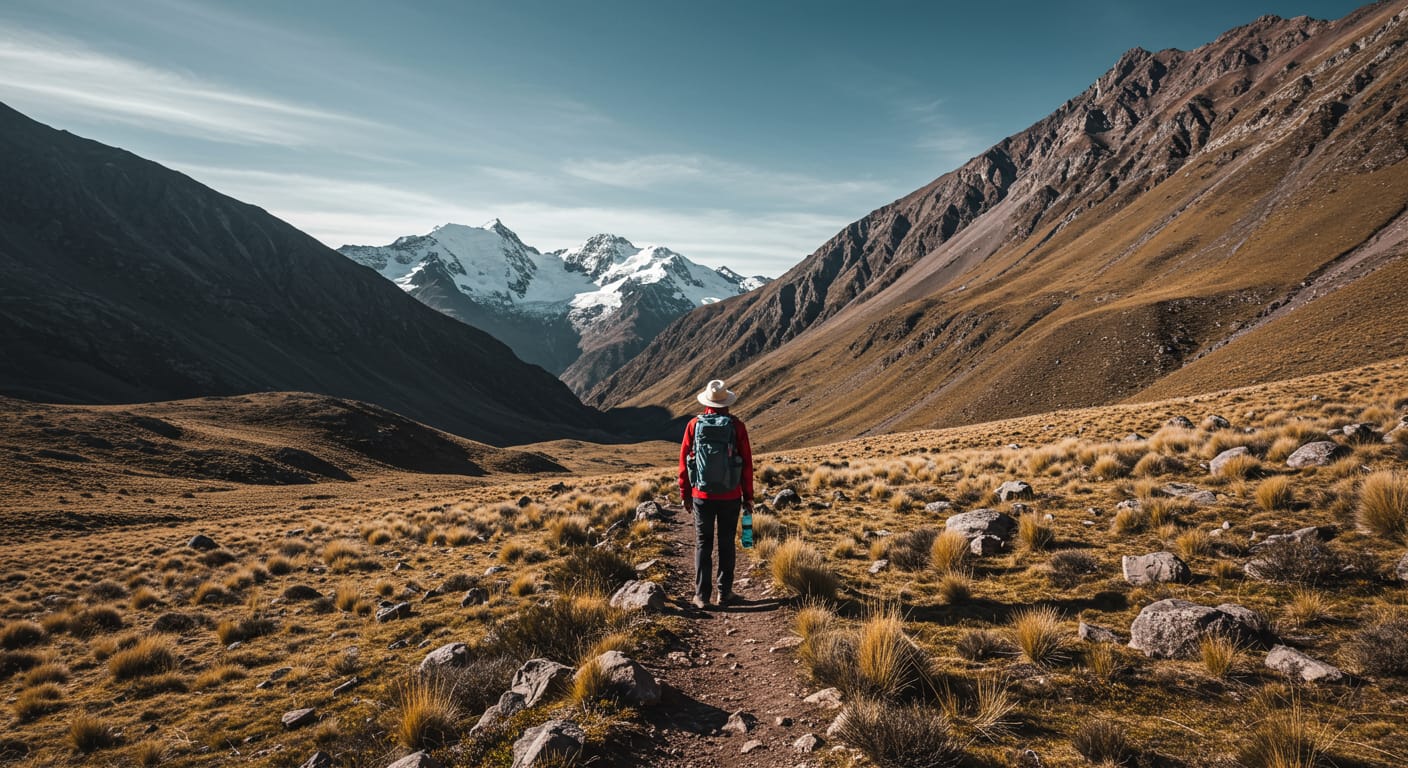
The trail looked familiar enough. I'd hiked these Peruvian mountain paths dozens of times since moving to Cusco, and what started as a casual afternoon adventure quickly became the most terrifying 30 hours of my life. Sometimes the mountains humble you in ways you never expect.
The Wrong Turn That Changed Everything
It was supposed to be a routine hike—nothing ambitious, just a few hours on a well-marked trail I'd walked before. The morning sun painted the Andean peaks in brilliant gold, and I felt that familiar surge of gratitude for choosing this incredible country as my new home. Peru had given me so many gifts, but I was about to learn that the mountains demand respect, even from those who think they know them.
The mistake happened gradually. One fork in the path looked right, then another. By the time I stopped to check my phone for GPS, the screen showed those dreaded words: "No Service." I looked around at terrain that suddenly seemed foreign. The familiar landmarks were gone, replaced by an endless maze of rocky outcrops and sparse vegetation that all looked disturbingly similar.
That first wave of panic hit like the thin air at altitude—sharp and breathtaking. I was alone at roughly 12,000 feet with no way to call for help.
Taking Inventory: One Bottle and Fading Daylight
Forced to stop and assess my situation, the reality was sobering. My daypack contained one 500ml water bottle, half empty. Some trail mix. A light jacket that would be useless against the brutal Andean night cold. No GPS device, no emergency whistle, no bivvy sack or emergency shelter. All the gear I'd been meaning to buy but never got around to purchasing.
The afternoon shadows were already growing longer, and I knew from experience how quickly darkness falls in the mountains. At this altitude, nighttime temperatures would plummet well below freezing. Without proper gear, exposure could kill me before dawn.
I tried retracing my steps, but every ridge looked the same. Every valley seemed to lead deeper into the wilderness. The thin air made every movement an effort, and I realized I needed to conserve both energy and water if I was going to survive whatever came next.
Night Falls at 12,000 Feet
As the sun disappeared behind the peaks, the temperature dropped like a stone. I found a small alcove between some boulders that offered minimal wind protection, but nothing could prepare me for the bone-deep cold that followed.
The Andes don't forgive unprepared visitors. Every breath felt like swallowing ice, and despite wrapping myself in everything I had, violent shivering set in within an hour. I rationed my remaining water to tiny sips, fighting the splitting headache that comes with altitude and dehydration.
Sleep was impossible. I spent the night doing jumping jacks and push-ups in my tiny shelter, anything to generate body heat and keep blood flowing. The silence was absolute except for the wind howling through the rocks—a sound that seemed to mock my predicament.
Dawn couldn't come fast enough, but when it did, I faced a new problem: my water bottle was empty.
Day Two: When Desperation Meets Decision
Waking up disoriented with cotton mouth and a pounding headache, I knew I had maybe hours before dehydration became critical. The mental fog was already setting in—that dangerous state where bad decisions seem reasonable.
I faced the classic survival dilemma: stay put and hope someone would find me, or move and risk getting more lost. But who would look for me? I'd told no one my exact route. My landlord might not notice I was missing for days.
That's when I spotted it—a tiny stream, barely a trickle, winding down through the rocks. Every survival instinct told me to follow water downhill. Streams lead to rivers, rivers lead to valleys, and people live in valleys.
I filled my bottle with the ice-cold mountain water. I knew the risks of drinking untreated water, but dehydration was the more immediate threat. The first gulp tasted like salvation.
The Sound of Salvation
Following that stream became my lifeline, literally and figuratively. For hours I stumbled downhill over loose rocks and through thorny scrub, stopping frequently to rest in the thin air. My legs felt like rubber, and several times I nearly passed out from the combination of altitude, exhaustion, and stress.
Then, after what felt like an eternity, I saw it: a thin column of smoke rising from a valley below. Smoke meant people, meant warmth, meant rescue.
The shepherd who found me spoke no English, and my Spanish abandoned me in my exhausted state. But some things need no translation. The relief in his weathered face when he saw me stumbling toward his small stone hut was universal. He wrapped me in alpaca wool blankets and fed me hot soup while radioing down to the village.
Thirty hours after my wrong turn, I was finally safe.
What the Andes Taught Me About Survival
That experience fundamentally changed how I approach mountain hiking. The gear I should have carried could have prevented the entire crisis: a GPS device or satellite messenger, emergency shelter, proper insulation, water purification tablets, and enough supplies for an unplanned night out.
More importantly, I learned the critical importance of telling someone your exact route and expected return time. The mountains are unforgiving, but they're particularly deadly when no one knows where to look for you.
My overconfidence in familiar terrain nearly killed me. I'd hiked these mountains dozens of times, which bred a dangerous complacency. The Andes taught me that respect isn't earned through familiarity—it's required every single time you enter their domain.
Living as an expat in Peru means embracing incredible adventures, but it also means respecting the power of this landscape. The mountains will always be stronger than we are. The question is whether we're humble enough to admit it before they teach us the hard way.
I still hike the Andes regularly, but now I carry proper gear and treat every outing with the seriousness it deserves. Because sometimes the most beautiful places in the world are also the most dangerous, and the line between adventure and survival can be as thin as the mountain air itself.