Lost in the Andes With No Signal and One Bottle of Water
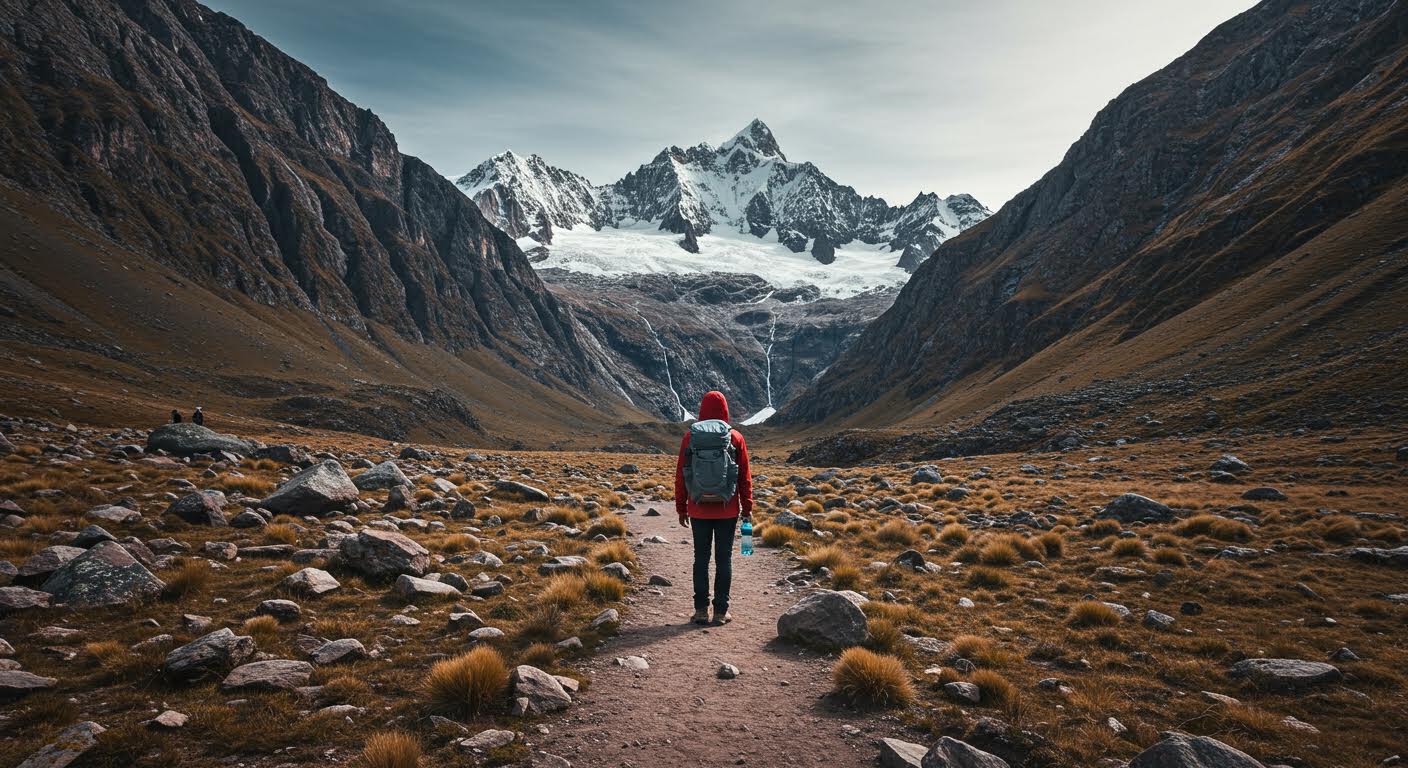
The Andes have a way of humbling even the most confident travelers. What started as a simple day hike quickly became the most terrifying—and ultimately transformative—experience of my life as an expat living in South America.
The Wrong Turn That Changed Everything
I'd been living in Ecuador for eight months when I decided to tackle what locals described as an "easy" trail in the mountains outside Cuenca. The morning was crisp and clear, with the kind of visibility that makes the Andes look deceptively manageable. I packed light—too light, as it turned out—with just a small daypack containing one water bottle, some trail mix, and my phone.
The first two hours went smoothly. The marked trail was well-maintained, and I passed several other hikers heading both ways. But somewhere around the three-hour mark, distracted by stunning panoramic views, I veered off onto what looked like another path. It wasn't until I'd been walking for another hour that the terrible realization hit: I hadn't seen trail markers in far too long.
The familiar landmarks I'd mentally noted on the way up were nowhere to be seen. My confident stride faltered as I spun around, scanning the horizon for anything recognizable. That's when the first wave of panic struck—a cold, sharp feeling that cut through the thin mountain air.
Reality Hits: No Signal, One Bottle
My first instinct was to call for help, but when I pulled out my phone, the screen showed those dreaded words: "No Service." I held the device high, walking in circles, desperately hoping for even one bar. Nothing.
Taking inventory of my supplies felt like a cruel joke. One half-empty water bottle. A small bag of trail mix. A light jacket that suddenly seemed woefully inadequate for the dropping temperatures. No compass, no whistle, no emergency supplies. I had committed every rookie mistake in the book.
As I stood there at roughly 4,000 meters elevation, the weight of my situation began to settle in. The sun was already beginning its descent toward the western peaks, and I realized I might have as little as three hours of daylight left. The dehydration was already starting—that familiar foggy feeling that comes with altitude and exertion.
Survival Mode: Making Critical Decisions
Every survival expert will tell you that panic is your worst enemy, but knowing that and controlling it are two very different things. I forced myself to sit down and think rationally about my options. Should I try to retrace my steps, or continue forward hoping to find another way down?
I decided to climb to a higher vantage point first. The extra exertion was costly in terms of water and energy, but I needed to see the bigger picture. From a rocky outcrop, I could make out what looked like a valley system to the east—different from where I'd come from, but potentially leading back to civilization.
Water became my most precious resource. I allowed myself tiny sips, swirling each one around my mouth before swallowing. The altitude made everything worse—every breath required more effort, every step demanded more energy, and dehydration set in faster than it would at sea level.
The psychological battle was perhaps harder than the physical one. My mind kept cycling between practical problem-solving and pure terror. I found myself talking out loud, narrating my decisions as if explaining them to someone else. It helped keep the panic at bay.
A Night in the Mountains
As darkness approached, I had to accept that I wouldn't make it back to safety before nightfall. I found a small depression between some rocks that offered minimal shelter from the wind and settled in for what would be the longest night of my life.
The temperature drop was brutal. My light jacket was no match for the Andean night, and I spent hours shivering, doing calisthenics in my tiny shelter to keep my blood moving. Every sound seemed amplified in the thin air—the wind through the rocks, the distant call of some night bird, the cracking of stones as they contracted in the cold.
Sleep was impossible, but I tried to rest in short intervals, setting mental alarms to keep myself active enough to avoid hypothermia. I rationed the last few ounces of my water, knowing I'd need every drop for the following day. The isolation was complete and terrifying—I was utterly alone in one of the most remote places on Earth.
Dawn and Deliverance
The first light of dawn revealed a landscape that looked entirely different from the previous evening. What had seemed like impassable terrain in the fading light now showed potential routes down the mountain. I could make out what appeared to be a thin line cutting across a distant slope—possibly a trail or even a road.
My body was in rough shape. I was severely dehydrated, exhausted from the sleepless night, and my muscles were cramped from the cold. But hope is a powerful motivator. I finished the last drops of my water and began making my way toward that distant line.
Three hours of careful descent later, my instinct proved correct. I stumbled onto a dirt road that showed recent tire tracks. Another hour of walking brought me to a small farmhouse where a family took me in, gave me water, and helped me contact rescue services to retrieve my car from the trailhead.
The relief was overwhelming—not just physical, but emotional. I had survived something that could easily have ended differently.
Lessons From the Edge
That experience fundamentally changed how I approach outdoor activities in my adopted country. I learned that the mountains don't care about your confidence or your schedule. They demand respect, preparation, and humility.
Now I never hike alone without proper emergency supplies: extra water, emergency shelter, signaling devices, and detailed maps. I inform multiple people of my exact route and expected return time. Most importantly, I've learned to turn around when conditions or my own preparedness aren't adequate—no view or summit is worth risking your life.
The experience also revealed something unexpected about human resilience. When survival is truly on the line, you discover reserves of mental and physical strength you didn't know existed. That night on the mountain was the most frightening of my life, but it was also strangely empowering. I learned that I could face genuine danger and make rational decisions under extreme stress.
Living as an expat means constantly pushing your comfort zone, but this experience taught me the critical difference between calculated risk and reckless endangerment. The Andes are breathtakingly beautiful, but they're also utterly unforgiving. Respecting that duality has made me not just a better hiker, but a more thoughtful traveler overall.