Lost at 5,600 Meters on Chimborazo: A Flashlight, the Dark, and a Reported Survival
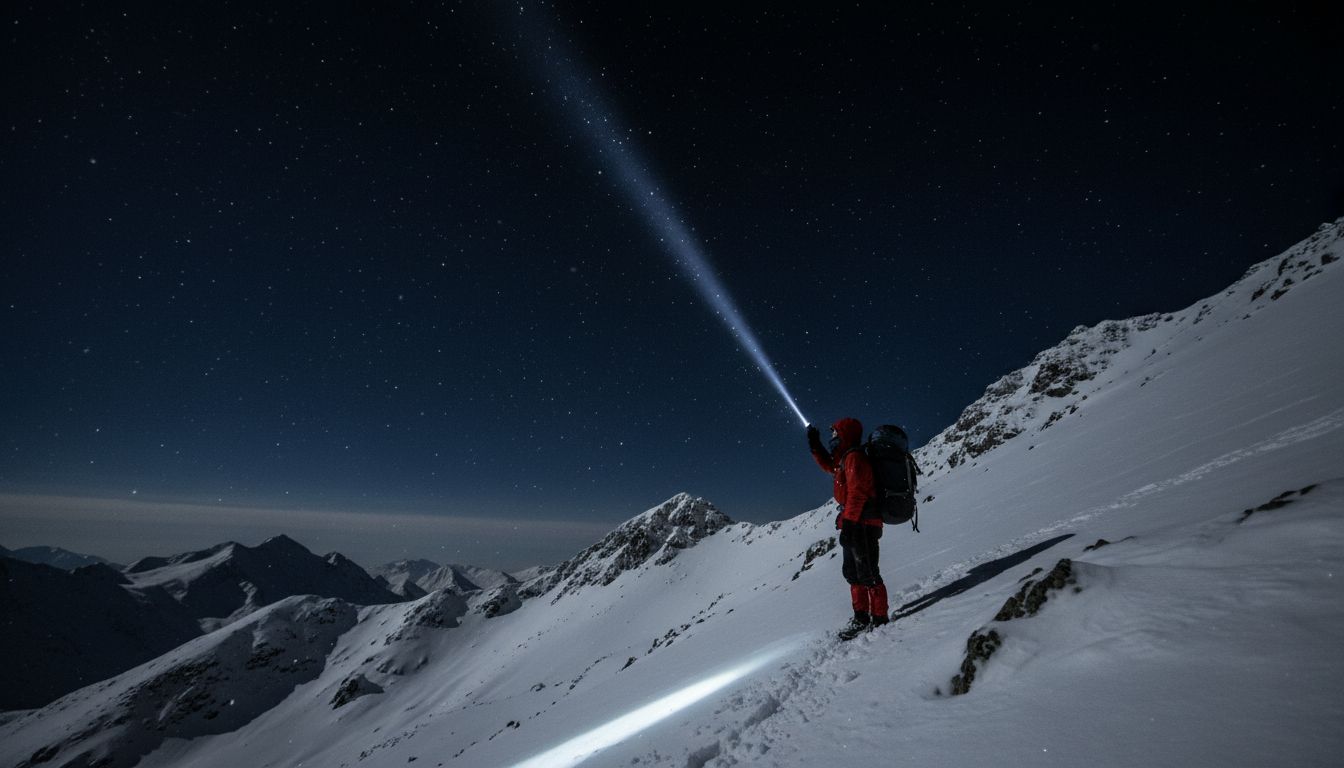
Lost at 5,600 Meters on Chimborazo: A Flashlight, the Dark, and a Reported Survival
Chimborazo, Ecuador's highest peak at 6,263 meters, draws climbers and trekkers from around the world. Its slopes are demanding even for experienced mountaineers, and its upper reaches are unforgiving toward anyone caught unprepared. According to accounts circulating about a recent incident, a 24-year-old tourist became stranded at roughly 5,600 meters on the mountain. This person's identity, nationality, and the exact date of the event have not been independently verified, and no official statement has surfaced to confirm the finer details.
What is clear, even without full verification, is the severity of the setting. At that altitude, oxygen levels drop sharply, temperatures can plunge well below freezing, and disorientation can set in quickly, even for those with climbing experience. The stakes described in this story—being alone, in the cold, at extreme elevation—are consistent with the genuine risks the mountain is known to present.
Why Chimborazo Is Deceptively Dangerous
Chimborazo holds a distinction that surprises many travelers: due to the equatorial bulge of the Earth, its summit is technically the point on our planet's surface farthest from the Earth's center—farther even than the summit of Everest. This geological curiosity does nothing to soften the mountain's physical challenges, however. Climbers face thin air, abrupt weather shifts, and whiteout conditions that can appear with little warning. Hypothermia is a persistent risk for anyone who loses their way or is delayed past nightfall.
The people who attempt Chimborazo span a wide range of experience levels. Seasoned, well-acclimatized mountaineers make up part of the climbing population, but the peak also attracts tourists and casual trekkers who may underestimate what the ascent demands. Guides familiar with high-altitude trekking in the region often note that enthusiasm can outpace preparation, a gap that becomes dangerous once conditions turn. It's within this context that stories like this one—however incomplete the details—resonate as both cautionary and, if the reported outcome holds, remarkable.
Lost in the Dark: The Reported Ordeal
As the story is understood from available accounts, the tourist became separated from a group or lost the intended route as darkness fell and temperatures dropped. Isolated at high altitude after dark is among the most hazardous situations a climber can face, combining cold, reduced visibility, and the psychological strain of uncertainty.
One detail that stands out in the narrative is the reported use of a flashlight to signal for help. Visual signaling with light is a long-used technique in mountain rescue situations, since it can be seen across long distances in dark, open terrain where sound carries poorly and radio contact may be unreliable. If accurate, this kind of improvised signaling could plausibly have played a role in alerting others to the tourist's location.
That said, no confirmed timeline, named rescue team, or official agency statement has surfaced to substantiate the sequence of events. Readers should treat the narrative as a reported account rather than a confirmed record, and the cautious framing applied throughout this article reflects that uncertainty.
The Rescue and What Comes Next
Mountain rescues on Chimborazo, when they occur, typically involve coordination between local guides, park authorities, and sometimes military or specialized rescue units familiar with the region's terrain and altitude challenges. A rescue at 5,600 meters would likely require careful logistics, given the thin air and difficult access at that elevation.
In this case, however, there is no confirmed information about who conducted the rescue, how long it took, or the tourist's ultimate medical condition. A recurring concern in stories like this is the gap between a dramatic narrative and verified facts—a gap that remains open here. For expats and travelers drawn to high-altitude adventures, the story serves as a reminder of how quickly conditions can escalate, even if its particulars are still unconfirmed. Readers are encouraged to await verified reporting before treating any specific detail—names, dates, or outcomes—as established fact.
Lessons for Expats and Travelers Eyeing Chimborazo
Regardless of how this particular story is ultimately confirmed, the general safety lessons it evokes are well established among experienced climbers and guides. Proper acclimatization is essential before attempting any ascent near Chimborazo's higher elevations. Guided tours with experienced local operators reduce the risk of becoming lost or caught unprepared. Appropriate gear—including layered clothing, navigation tools, and emergency signaling devices such as flashlights, whistles, or satellite communicators—can make a meaningful difference if conditions turn.
Equally important is the practice of informing others, whether fellow travelers, hotel staff, or local contacts, of planned routes and expected return times. This simple step can significantly speed up a rescue response if something goes wrong.
Stories like this one resonate strongly within the expat and travel community precisely because they combine the allure of high-altitude adventure with a sober reminder of its risks. Even when unverified in their details, such narratives serve a cautionary purpose: they highlight how quickly circumstances can shift on a mountain like Chimborazo, and why preparation and communication matter as much as ambition. Until more verified reporting becomes available, this account should be read as a developing story—one whose broader lesson about respecting high-altitude environments stands regardless of its still-unconfirmed specifics.