Living 60 Miles from Reventador: An Expat's Guide to Daily Life with Ecuador's Most Active Volcano
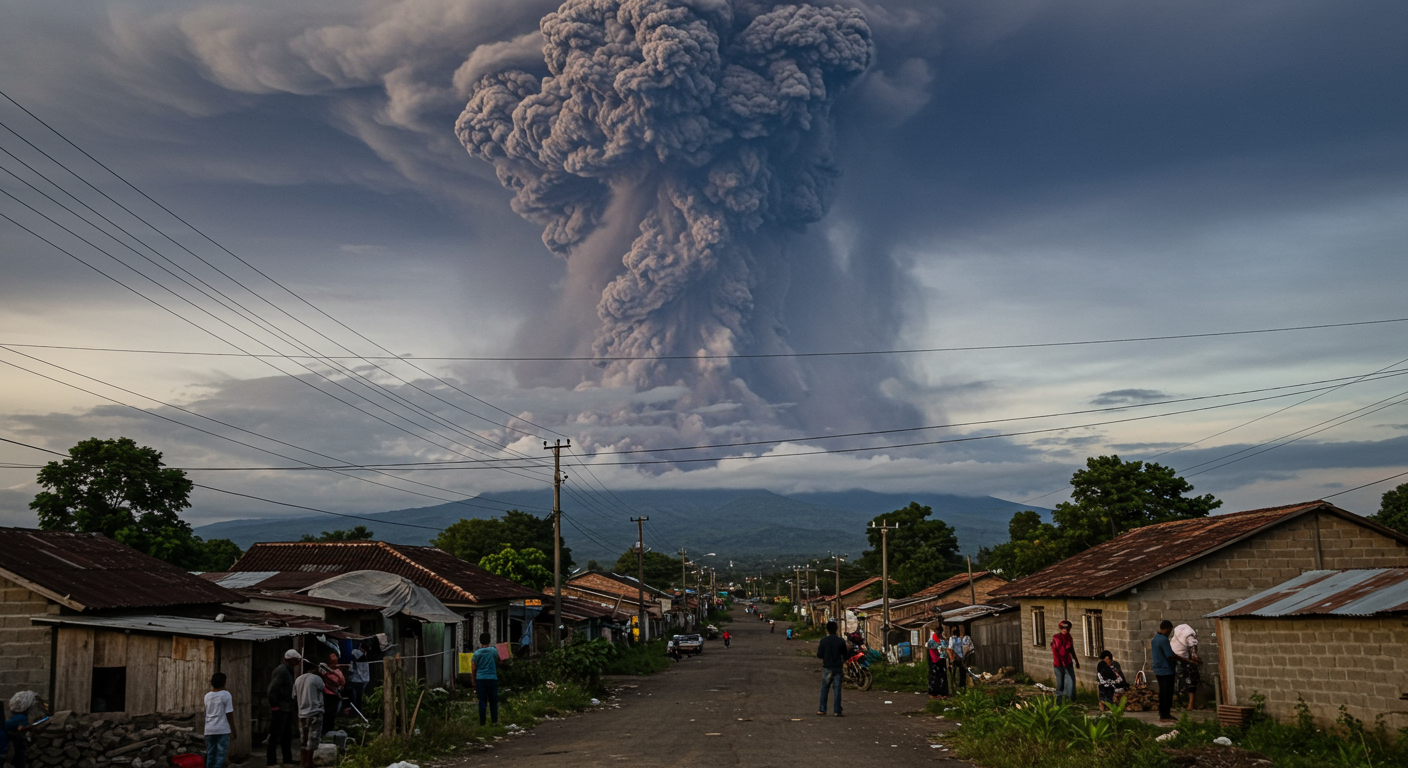
The rumble starts before dawn—a low, persistent growl that's become as familiar as the morning coffee routine for expatriates living within 60 miles of Ecuador's Reventador volcano. Throughout May, this geological giant erupted every single day, culminating in an extraordinary 24-hour period that recorded 77 separate explosions. For the international community calling this region home, Reventador's relentless activity isn't just headline news—it's the soundtrack to daily life.
Living as an expatriate in the shadow of one of the world's most consistently active volcanoes creates a unique blend of adventure and anxiety that shapes every aspect of daily existence. From checking ash forecasts with the same diligence as weather reports to maintaining emergency kits that rival those of disaster preparedness experts, expat life near Reventador demands a level of geological awareness that few imagined when they first decided to make Ecuador home.
Daily Reality: When Your Commute Includes Volcanic Ash Checks
For expatriates living in Quito and surrounding communities, morning routines have evolved far beyond the typical shower-coffee-commute sequence. Sarah Martinez, a Canadian teacher who's lived in Quito for three years, describes her morning ritual: "Before I even check my phone for messages, I look out the window to see which direction the ash plume is blowing. It determines whether I take my car, use public transport, or work from home entirely."
The integration of volcanic monitoring into daily planning has become second nature for long-term expat residents. Smartphone apps tracking seismic activity sit alongside weather forecasts and traffic updates on home screens. WhatsApp groups dedicated to real-time volcanic updates buzz with reports from expatriates across different neighborhoods, creating an informal but highly effective early warning network.
Shopping habits, too, have adapted to volcanic rhythms. Experienced expatriates maintain stockpiles of non-perishables, bottled water, and medications—not out of paranoia, but from practical experience of supply chain disruptions during periods of intense activity. Local markets may close unexpectedly during heavy ash falls, and delivery services often suspend operations when visibility drops or air quality deteriorates significantly.
Professional obligations require constant flexibility. Remote work capabilities become essential rather than convenient, as video calls may be interrupted by the need to close windows during ash falls or move indoors during particularly intense eruptive periods. International schools and businesses frequented by expatriates have developed sophisticated protocols for activity-based schedule adjustments.
The Expat's Emergency Playbook: Evacuation Plans and Go-Bags
Emergency preparedness among expatriates living near Reventador has evolved into an art form combining official guidelines with hard-won practical experience. Unlike hurricane or earthquake preparation, volcanic emergency planning requires attention to unique factors: ash accumulation, air quality deterioration, and the potential for prolonged rather than acute emergency situations.
The expatriate community has developed informal mentorship systems where established residents guide newcomers through emergency preparation. Go-bags contain items rarely considered by those living in geologically stable regions: N95 masks for family members, eye protection, sealed containers for electronics, and copies of important documents in waterproof packaging. Many expat families maintain two sets of emergency supplies—one for sheltering in place during ash falls and another for rapid evacuation scenarios.
Embassy communications play a crucial role in expat emergency planning, though residents often supplement official information with community-generated intelligence. Expatriate WhatsApp groups and Facebook communities share real-time updates about road conditions, air quality measurements, and practical advice about protecting homes and vehicles during active periods.
Vehicle protection strategies have become particularly sophisticated among the expat community. Car covers, air filter replacements, and alternative transportation arrangements form essential components of volcanic preparedness. Some expatriates maintain relationships with car rental agencies outside the immediate impact zone, ensuring mobility options if personal vehicles become compromised by ash accumulation.
Psychological Adaptation: From Fear to Acceptance
The psychological journey of adapting to life near Reventador follows a predictable pattern among expatriates, though the timeline varies significantly based on individual resilience and previous exposure to natural hazards. Initial months often involve hypervigilance—jumping at every rumble, obsessively checking volcanic monitoring websites, and experiencing decision fatigue from constantly weighing volcanic risk against daily activities.
Cultural differences in risk perception create interesting dynamics within expatriate communities. Some arrive from regions where natural disasters are rare and acute, making the concept of continuous, low-level volcanic threat particularly challenging to process. Others come from areas with frequent seismic activity or severe weather, finding volcanic adaptation surprisingly manageable.
Long-term expatriate residents describe a gradual shift from fear-based monitoring to informed awareness. "The first year, every explosion had me checking evacuation routes," explains David Thompson, a British consultant living in Quito for five years. "Now I can distinguish between different types of activity by sound alone and know which warrant attention versus which are just Reventador being Reventador."
Mental health considerations specific to volcanic living have prompted some expatriates to seek counseling or develop stress management techniques. The constant low-level awareness required for volcanic safety can create cumulative psychological fatigue, particularly during periods of heightened activity like the current May eruption sequence.
Interestingly, many expatriates report that living with volcanic activity has enhanced their appreciation for natural forces and geological processes. What initially felt like an overwhelming threat gradually transforms into a source of fascination and even pride in their adaptability and resilience.
Community Bonds Forged by Fire: The Expat Support Network
Shared volcanic experiences create uniquely strong bonds within expatriate communities near Reventador. Unlike typical expat social networks organized around nationality or professional interests, volcanic preparedness groups cut across traditional demographic lines, uniting residents through shared practical needs and mutual support during challenging periods.
Technology has revolutionized expatriate volcanic communication networks. Dedicated WhatsApp groups with names like "Quito Volcano Watch" and "Ash Alert Expats" maintain 24/7 activity during periods of increased volcanic intensity. Members share photographs of ash plumes, report local conditions, coordinate supply runs, and offer practical advice about protecting property and maintaining normal activities.
These digital networks often translate into strong offline relationships. Expatriate families regularly coordinate childcare during periods when schools close due to volcanic activity, share resources during supply shortages, and provide emotional support during particularly stressful eruptive sequences. New arrivals are quickly integrated into these networks, receiving mentorship that accelerates their adaptation to volcanic living.
The relationship between expatriate and local Ecuadorian perspectives on volcanic risk creates interesting cultural exchange opportunities. Long-term local residents often provide historical context and traditional knowledge about living with Reventador, while expatriates contribute international perspectives on emergency preparedness and risk management techniques.
Expatriate families with children have developed particularly robust support networks, coordinating educational activities during school closures, sharing information about child-appropriate safety equipment, and organizing playdates that double as emergency preparedness education. These relationships often become the foundation for lasting friendships that extend far beyond volcanic considerations.
The Unexpected Silver Lining: Why Some Expats Stay Despite the Risk
Perhaps counterintuitively, Reventador's persistent activity has become a factor that keeps some expatriates in Ecuador rather than driving them away. The unique experience of living with geological drama creates a sense of adventure and accomplishment that many find difficult to replicate elsewhere. "Where else can you have your morning coffee while watching a volcano erupt in the distance?" asks Maria Hoffmann, a German photographer who's documented Reventador's activity for two years.
Professional opportunities often emerge from volcanic living situations. Expatriates with backgrounds in geology, emergency management, or environmental science find unique career development opportunities. Others discover entrepreneurial niches, from volcanic ash art projects to specialized cleaning services for ash-affected properties. The international media attention surrounding Reventador's activity has created opportunities for expatriates to serve as English-language correspondents or guides for visiting journalists and researchers.
The enhanced appreciation for natural beauty that develops from living near an active volcano extends beyond geological features. Many expatriates report that the constant awareness of natural forces makes them more attentive to Ecuador's biodiversity, weather patterns, and environmental changes. The dramatic volcanic landscapes become a source of daily inspiration rather than merely a safety concern.
Personal growth narratives feature prominently in expatriate testimonies about volcanic living. The development of practical skills, enhanced emergency preparedness capabilities, and increased comfort with uncertainty create confidence that transfers to other life challenges. Many describe feeling more capable and resilient as a result of successfully adapting to volcanic conditions.
As Reventador continues its May eruption sequence, the expatriate community maintains its characteristic blend of caution and celebration. Each day brings new lessons in geological coexistence, strengthened community bonds, and fresh appreciation for the extraordinary privilege of witnessing one of nature's most powerful ongoing displays. For these international residents, living 60 miles from Reventador isn't just about managing risk—it's about embracing an adventure that few people ever experience, creating memories and relationships forged in the literal fires of one of Earth's most active volcanoes.