Life in the Field: Witnessing the Galapagos' Greatest Conservation Triumph and Tragedy
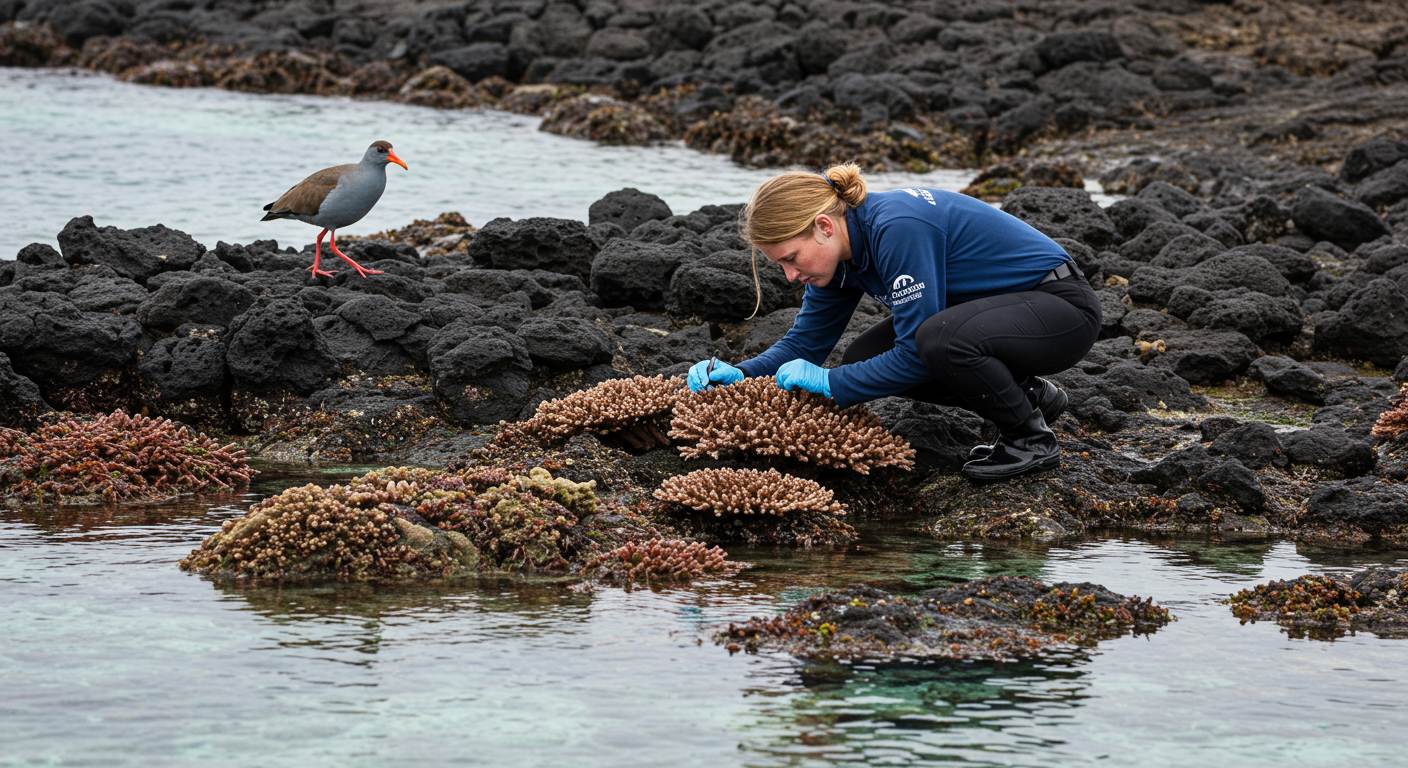
There are few places on Earth where the delicate balance between life and extinction plays out so dramatically as in the Galapagos Islands. As someone who has spent years working in these waters and walking these volcanic shores, I've witnessed both heartbreaking losses and miraculous discoveries that remind us why Darwin called these islands his "living laboratory."
Recently, the scientific community faced a bittersweet milestone: after 43 years of searching, researchers officially declared the Galapagos damselfish extinct, while simultaneously celebrating the rediscovery of the "lost" Galapagos Rail. These contrasting developments offer a window into the unique challenges and rewards of conservation work in one of the world's most pristine yet vulnerable ecosystems.
The Long Goodbye: 43 Years of Hope and Searching
The Galapagos damselfish represented one of the archipelago's most elusive species. For more than four decades, marine biologists and local researchers maintained hope that this small but ecologically important fish might still inhabit the rocky reefs and coastal waters that once served as its home.
Working as a field researcher in these waters means developing an intimate relationship with every species you encounter. The damselfish, with its distinctive coloring and behavior patterns, became something of a holy grail for our research teams. Every dive carried the possibility of a sighting, every underwater survey held the potential for rediscovery.
The process of declaring a species extinct is never taken lightly. It requires exhaustive documentation, systematic surveys across all potential habitats, and careful consideration of environmental factors that might have contributed to the species' disappearance. In the case of the damselfish, factors likely included changes in water temperature, habitat degradation, and the complex interactions that occur when invasive species disrupt established ecosystems.
A Miracle in Feathers: The Rail's Return
Just as we were processing the loss of the damselfish, the islands delivered one of conservation's greatest gifts: the rediscovery of a species thought to be lost forever. The Galapagos Rail, a small flightless bird endemic to these islands, had vanished from scientific records and field observations for years.
The moment of rediscovery is something every field biologist dreams about. Picture the excitement of spotting a bird that shouldn't exist, the careful documentation required to confirm the sighting, and the rush of realizing you're witnessing conservation history in the making.
The rail's survival likely depended on its ability to adapt to changing habitat conditions and possibly the success of ongoing habitat restoration efforts throughout the archipelago. These birds, like many Galapagos species, evolved in isolation and developed unique characteristics that allowed them to thrive in specific ecological niches.
The Emotional Landscape of Conservation Work
Living and working in the Galapagos means confronting the full spectrum of conservation emotions on a daily basis. One morning might bring the discovery of a new species behavior, while the afternoon could reveal evidence of habitat destruction or population decline.
The isolation of island life intensifies these experiences. When you're surrounded by some of the world's most unique wildlife, every loss feels personal, and every conservation success becomes a shared victory among the tight-knit community of researchers, park rangers, and local conservationists who call these islands home.
Long-term ecological monitoring requires a special kind of patience and dedication. Projects span decades, and researchers must maintain detailed records while adapting to changing environmental conditions, funding challenges, and the logistical complexities of working in a remote location.
Lessons from Darwin's Laboratory
The contrasting fates of the damselfish and the rail offer profound insights into the nature of island ecosystems. Islands like the Galapagos serve as both sanctuaries and traps for endemic species. The isolation that allows unique species to evolve also makes them particularly vulnerable to environmental changes.
These recent developments underscore the critical importance of continuous monitoring in conservation efforts. Without dedicated researchers maintaining long-term observation programs, we might never have confirmed the damselfish's extinction or celebrated the rail's survival.
Climate change and human activity continue to shape the future of Galapagos wildlife in complex ways. Rising ocean temperatures affect marine species, while changes in precipitation patterns influence terrestrial habitats. Even with strict conservation measures in place, the islands face ongoing challenges from tourism pressure, invasive species, and global environmental changes.
As we look toward the future, the Galapagos conservation community remains focused on adaptive management strategies that can respond to rapidly changing conditions. This includes enhanced monitoring programs, habitat restoration projects, and collaborative research initiatives that bring together local knowledge and international expertise.
Living in this remarkable place means accepting that conservation is an ongoing process filled with both victories and defeats. The extinction of the damselfish reminds us of what we can lose when ecosystems tip out of balance, while the rediscovery of the rail demonstrates the resilience of life and the importance of never giving up hope.
For those of us privileged to work in Darwin's laboratory, every day brings new opportunities to contribute to our understanding of evolution, adaptation, and the delicate relationships that sustain life on our planet. The Galapagos continues to teach us that in conservation, as in evolution itself, the only constant is change.