Leaving Everything Behind: Why We Chose Ecuador and Never Looked Back
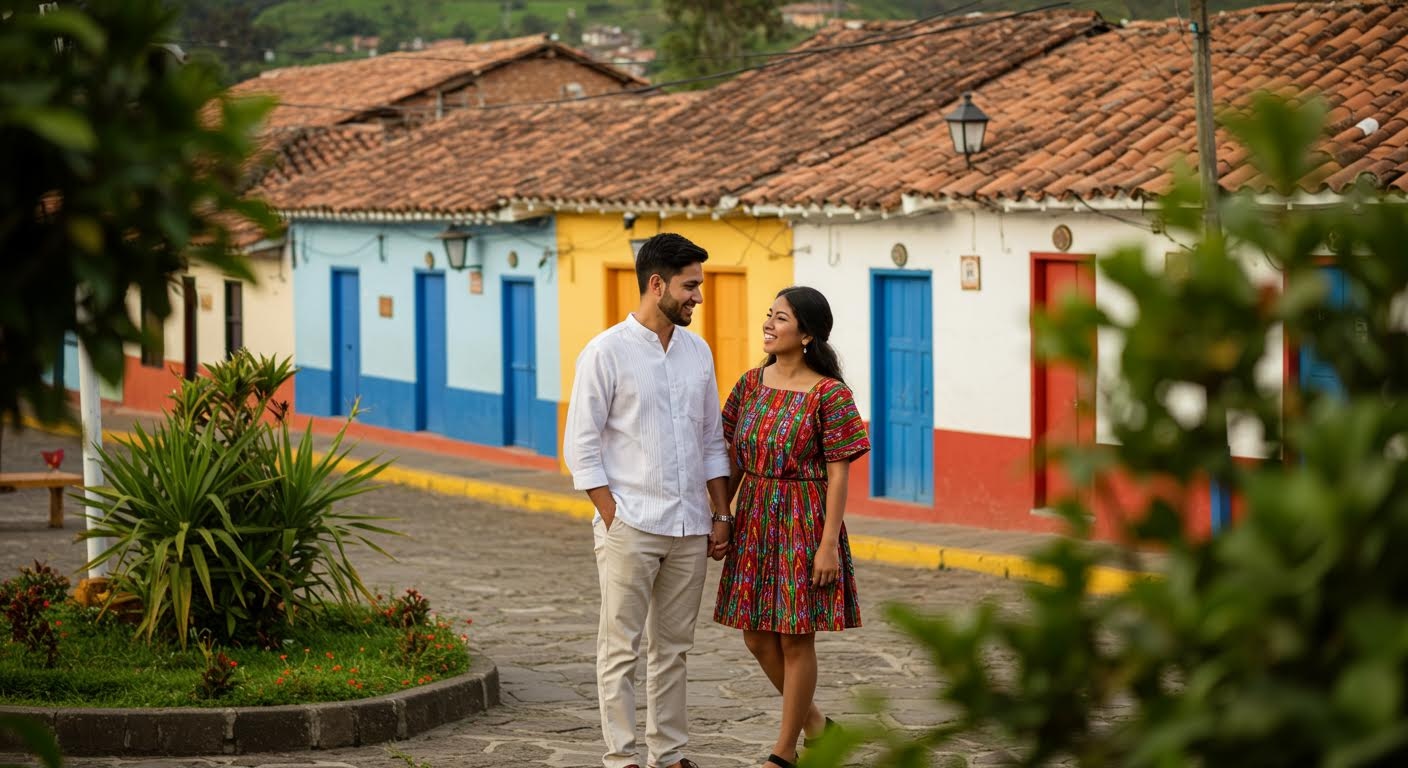
Three years ago, if someone had told us we'd be writing this from a café in Cuenca, watching the Andes mountains frame our morning coffee, we would have laughed. Back then, we were trapped in what felt like an endless cycle of work, stress, and counting down to the next weekend.
Today, we can honestly say we've never looked back. Here's the story of how we left everything familiar behind and found our home in Ecuador.
The Breaking Point: What Made Us Finally Say 'Enough'
It wasn't one dramatic moment—rather a series of small defeats that accumulated over months. The final straw came during a particularly brutal winter when our heating bill exceeded our mortgage payment. We realized we were working longer hours just to afford the basics of living somewhere we didn't even enjoy being.
We were in our early fifties, watching our retirement savings dwindle while stress levels soared. Healthcare costs were eating into our budget, and despite having good jobs, we felt like we were running on a treadmill that kept speeding up. The pandemic showed us how quickly everything we thought was stable could change, making us question why we were staying somewhere that no longer served us.
What we were leaving behind was significant—careers built over decades, a house we'd renovated with our own hands, and proximity to family and lifelong friends. But staying felt like choosing security over actually living, and we weren't getting any younger.
Why Ecuador? Our Research and Decision Process
Our criteria were simple but non-negotiable: year-round pleasant weather, affordable healthcare, reasonable cost of living, and a stable government that welcomed expats. We wanted mountains, not beaches, and access to cultural activities without the chaos of a massive city.
We initially considered Portugal, Mexico, and Costa Rica. Portugal felt too expensive and bureaucratic. Mexico had the right climate and culture but felt overwhelming in terms of where to start. Costa Rica checked many boxes but seemed to lack the authentic culture we were seeking.
Ecuador emerged as our top choice when we discovered Cuenca during online research. Here was a UNESCO World Heritage city with perfect spring weather year-round, excellent healthcare, a thriving expat community, and a cost of living that would let us actually enjoy retirement rather than just survive it. The more we learned about Ecuador's pensioner visa program and infrastructure in cities like Cuenca and Quito, the more it felt like the obvious choice.
Making It Real: The Practical Steps We Took
The visa process was surprisingly straightforward. Ecuador's pensioner visa required proof of $800 monthly income, which our combined Social Security and small pensions easily covered. We worked with an immigration attorney in Cuenca who guided us through the paperwork, and within six months, we had temporary residency.
Financially, we sold our house and most possessions, keeping only what would fit in a shipping container. The proceeds gave us enough to buy a beautiful colonial apartment in Cuenca's historic center outright, with money left over for emergencies and travel.
We were ruthless about what to bring. After thirty years of accumulating things, we kept family photos, essential documents, favorite books, and clothes for different climates. Everything else went to estate sales or charity. It was liberating to realize how little we actually needed.
Reality Check: Our First Months in Ecuador
The altitude hit us harder than expected. Cuenca sits at 8,300 feet, and it took nearly two months before we could climb stairs without getting winded. We'd read about it, but experiencing it was different.
Bureaucracy moves at its own pace here, and our North American urgency had to adjust to Ecuadorian time. Getting internet installed took three weeks and four appointments. Opening a bank account required documents we didn't know we needed and multiple trips downtown.
The language barrier was more challenging than anticipated, especially for medical appointments and legal matters. While many expats spoke English, we quickly learned that relying on others for translation wasn't sustainable. We enrolled in Spanish classes within our first month and made it a priority.
The Pleasant Surprises: What We Didn't Expect to Love
The markets transformed our relationship with food. Shopping at San Francisco Market became a weekly adventure—buying produce we'd never seen before and learning to cook with ingredients that cost pennies compared to back home. Our grocery bills dropped by 70%, and we were eating better than ever.
The expat community in Cuenca became our unexpected lifeline. Within weeks, we'd joined a hiking group, a book club, and a volunteer organization. These weren't just social activities—they became genuine friendships with people from around the world who'd made similar leaps of faith.
Daily life moves at a pace that actually allows for living. Long lunches aren't rushed, conversations happen naturally, and there's time to notice things like church bells or the way light hits the cathedral at sunset. We'd forgotten what it felt like to not be constantly hurried.
Our Life Now vs. Then: An Honest Comparison
Our daily routine revolves around pleasure rather than obligation. We wake up naturally, have coffee on our terrace overlooking the Tomebamba River, and plan our day around what sounds interesting rather than what's required. Some days we hike in Cajas National Park, others we spend reading in El Parque Calderón or exploring a new neighborhood.
Financially, we live better on less than half of what we spent before. Our monthly expenses—including rent, utilities, food, and entertainment—rarely exceed $1,500. Healthcare costs that would have bankrupted us in the States are routine expenses here. A specialist consultation costs $40, and our comprehensive health insurance runs $80 per month each.
What we miss most is spontaneous time with family, especially grandchildren. Video calls help, but they can't replace hugs and being present for important moments. We miss certain foods and the efficiency of services we took for granted. What we don't miss at all is the anxiety about money, harsh winters, and the feeling that we were just surviving rather than thriving.
For Those Thinking About Taking the Leap
If you're considering a similar move, visit first—not as a tourist, but as a potential resident. Rent an apartment for a month, shop for groceries, use public transportation, and imagine your daily life there. The romance of expat life can fade quickly if practical realities don't align with your needs.
Be honest about your flexibility and adaptability. If you need everything to work exactly like it did back home, expat life will be frustrating. If you can find humor in differences and see challenges as adventures, you'll thrive.
The phrase "never looked back" captures our experience because looking backward implies regret, and we have none. That doesn't mean every day is perfect or that we don't occasionally miss aspects of our former life. It means we're confident we made the right choice for us, at the right time, and we're grateful every day that we found the courage to change course when change was needed.
Three years later, watching those same Andes mountains from our café table, we're already planning our next adventure—maybe exploring Ecuador's coast or finally taking that trip to the Galápagos. The difference is, now we're planning from a place of joy rather than escape, and that makes all the difference in the world.