Learning to Belong: Finding Community Far From Home
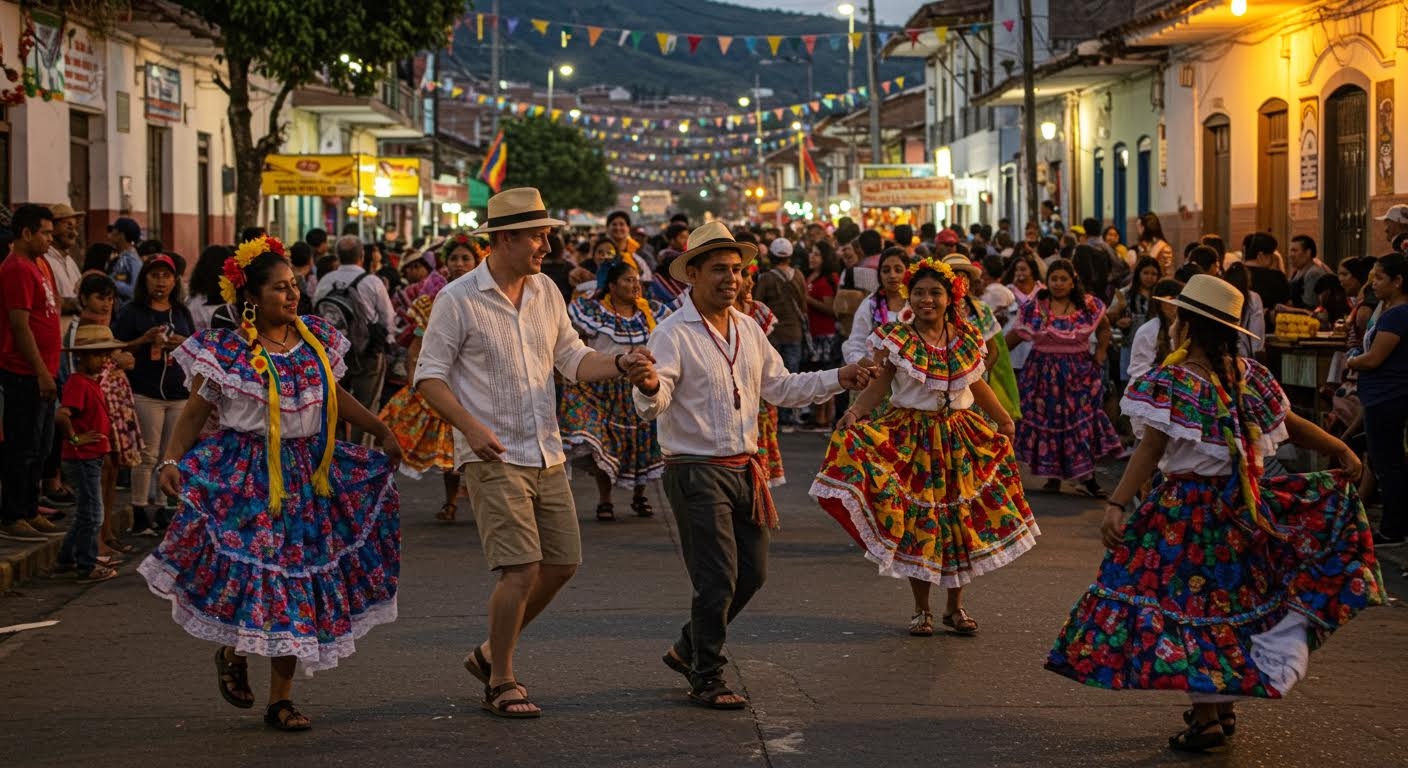
Moving to a new country is like stepping into a world where all the unwritten rules have changed. The simple act of making friends—something that felt natural back home—suddenly becomes a complex puzzle of cultural codes, language barriers, and social expectations. Yet within this challenge lies one of the most rewarding aspects of expat life: the opportunity to build community from scratch and discover what belonging truly means.
The Lonely Beginning: When Everything Feels Foreign
Those first months in a new country can feel like living behind glass. You watch life happening around you, but somehow you're not quite part of it. The shock of everyday isolation hits in unexpected moments—standing alone at a work event while colleagues chat in tight circles, or realizing you have no one to call when you need help.
Cultural misunderstandings make the isolation worse. A joke that would have landed perfectly back home falls flat here. Your friendly small talk gets polite but distant smiles. Even when people are kind, there's an invisible barrier created by different social expectations and communication styles.
The exhaustion is real too. Speaking a foreign language all day, even when you're fluent, requires constant mental effort. By evening, you're too drained for socializing—the very thing you need most. You miss the comfort of shared references, inside jokes, and people who get your sense of humor without explanation.
First Steps: Where Community Building Actually Begins
The path out of isolation often starts with structured activities that give you natural conversation starters. Language exchange programs create perfect social bridges—you help someone with your native language while they help you with theirs. The mutual vulnerability of making mistakes creates instant connection.
Hobby groups and sports clubs break through cultural barriers with shared passion. Whether it's a hiking club, photography group, or volleyball team, common interests give you immediate talking points and regular chances to meet. Focusing on the activity takes pressure off forced conversation.
Professional networking events serve double duty—advancing your career while expanding your social circle. Industry meetups attract people with similar backgrounds and challenges, making it easier to find common ground beyond work topics.
Volunteer opportunities create instant community through shared purpose. Whether you're helping at a local food bank, teaching English, or joining environmental cleanup efforts, working alongside others for a bigger cause builds meaningful connections quickly.
For those seeking spiritual community, religious or meditation groups offer built-in support networks with regular gatherings and often established systems for welcoming newcomers.
Digital Lifelines: Finding Your Tribe Online First
In today's connected world, community building often begins online before moving into real life. Facebook expat groups serve as essential information hubs where newcomers can ask practical questions, find roommates, and learn about local events. These groups also provide emotional support from people who understand the unique challenges of expat life.
Meetup apps revolutionize activity-based connections by organizing events around specific interests. From book clubs to board game nights, these platforms make it easy to find like-minded people without the pressure of one-on-one encounters.
Professional platforms like LinkedIn extend beyond job searching to help with industry connections and informal coffee meetings. Many cities have active professional expat communities that organize both online discussions and in-person events.
Location-specific apps and platforms cater to different cities and regions, offering everything from apartment hunting help to cultural event recommendations. These localized communities often become launching pads for deeper friendships.
The key is moving from online connections to real-world friendships. Virtual interactions can break the ice, but genuine community requires face-to-face time and shared experiences.
From Practical to Personal
Early expat relationships often begin with practical needs—someone to explain the local banking system, recommend a doctor, or show you where to buy familiar foods. These practical connections serve an important purpose, providing essential information and initial social contact.
The magic happens when these useful relationships gradually shift toward genuine friendship and emotional support. You stop reaching out only when you need something and start checking in just because you care. Conversations move from logistics to personal stories, dreams, and concerns.
Learning to be vulnerable in cross-cultural friendships takes courage. Sharing your struggles with adjustment, admitting when you don't understand cultural norms, or expressing homesickness deepens connections beyond surface-level politeness.
A turning point comes when helping others becomes as important as being helped. You find yourself answering questions in expat forums, offering your couch to a newcomer, or sharing hard-won local knowledge. This shift from receiver to giver signals a fundamental change in your relationship with your adopted community.
The Belonging Breakthrough: When It Finally Clicks
Belonging doesn't announce itself with fanfare—it creeps in quietly through small moments of connection. You might recognize it when you realize you've stopped comparing everything to "back home," or when you catch yourself giving directions to a tourist with genuine local pride.
Having local friends who aren't other expats represents a significant milestone. These relationships require more cultural navigation but offer deeper insight into your adopted home. They also provide perspectives beyond the expat bubble and help you understand local concerns and celebrations.
Being invited to family gatherings and intimate celebrations—birthday parties, holiday dinners, or casual weekend barbecues—signals acceptance into someone's inner circle. These invitations represent trust and genuine affection rather than polite obligation.
Perhaps the strongest sign of belonging is feeling protective of and proud about your adopted community. You defend it against unfair criticism, celebrate its achievements, and feel personally invested in its wellbeing. This emotional investment transforms you from visitor to stakeholder.
Walking the Line: Integration Without Losing Yourself
True belonging doesn't require abandoning your origins. The most successful integration maintains connections to home culture and values while embracing new ones. This balance prevents the identity confusion that can come with dramatic life changes.
Teaching others about your background while learning theirs creates mutual exchange rather than one-sided adaptation. Sharing your holiday traditions, introducing friends to cuisine from home, or explaining cultural differences helps others understand you while showing respect for diversity.
Avoiding the expat bubble without rejecting expat friendships requires intentional effort. While it's natural to gravitate toward people who share your experience, only socializing with other expats limits cultural immersion and local connection.
Creating fusion traditions that honor both old and new reflects healthy integration. This might mean celebrating local holidays with foods from home, or incorporating elements of your birth culture into local celebrations. These hybrid traditions become uniquely yours.
Life Stage Matters: Different Approaches for Different Phases
Single expats often have the most flexibility for adventure-based connections. Without family obligations, they can more easily say yes to spontaneous invitations, travel with new friends, or relocate for better opportunities. This freedom helps faster but sometimes less stable community building.
Couples navigate different social needs and integration speeds, which can create relationship tension. One partner might embrace local culture enthusiastically while the other clings to familiar patterns. Successful expat couples communicate openly about these differences and support each other's adjustment process.
Families with children often find their strongest communities through school networks and parenting groups. Children's activities provide natural meeting opportunities with other parents who share similar life stage concerns. However, family obligations can also limit social flexibility and require more intentional effort to build adult friendships.
Empty nesters and retirees typically approach community building more slowly but often develop deeper connections. With fewer time pressures and more life experience, they may focus on quality over quantity in relationships and seek meaningful ways to contribute to their adopted communities.
Paying It Forward: From Newcomer to Community Builder
The circle completes when you become the welcoming person you once needed. Remembering your own early struggles motivates reaching out to other newcomers, offering practical help, and providing emotional support during their adjustment period.
Mentoring other expats through the integration process creates meaningful relationships while strengthening your own sense of belonging. Teaching someone else how to navigate local systems reinforces your own mastery and community knowledge.
Creating or leading groups that bridge cultural divides positions you as a community builder rather than just a community member. Whether organizing international potluck dinners, starting a cultural exchange group, or running language practice sessions, these leadership roles deepen your investment in community wellbeing.
Contributing unique perspectives to local community initiatives uses your outsider-insider status for positive impact. Your fresh eyes might spot opportunities locals overlook, while your integration experience helps you understand how to make change happen effectively.
Finding community far from home isn't just about making friends—it's about discovering who you become when everything familiar falls away. The process challenges you to be more intentional about connection, more open to difference, and more creative about belonging. In learning to build community from scratch, many expats discover they're not just finding a place to fit in—they're actively creating the kind of community they want to be part of.