Japotonillo and the Mystery of Ecuador’s Overlooked Archaeological Landscape
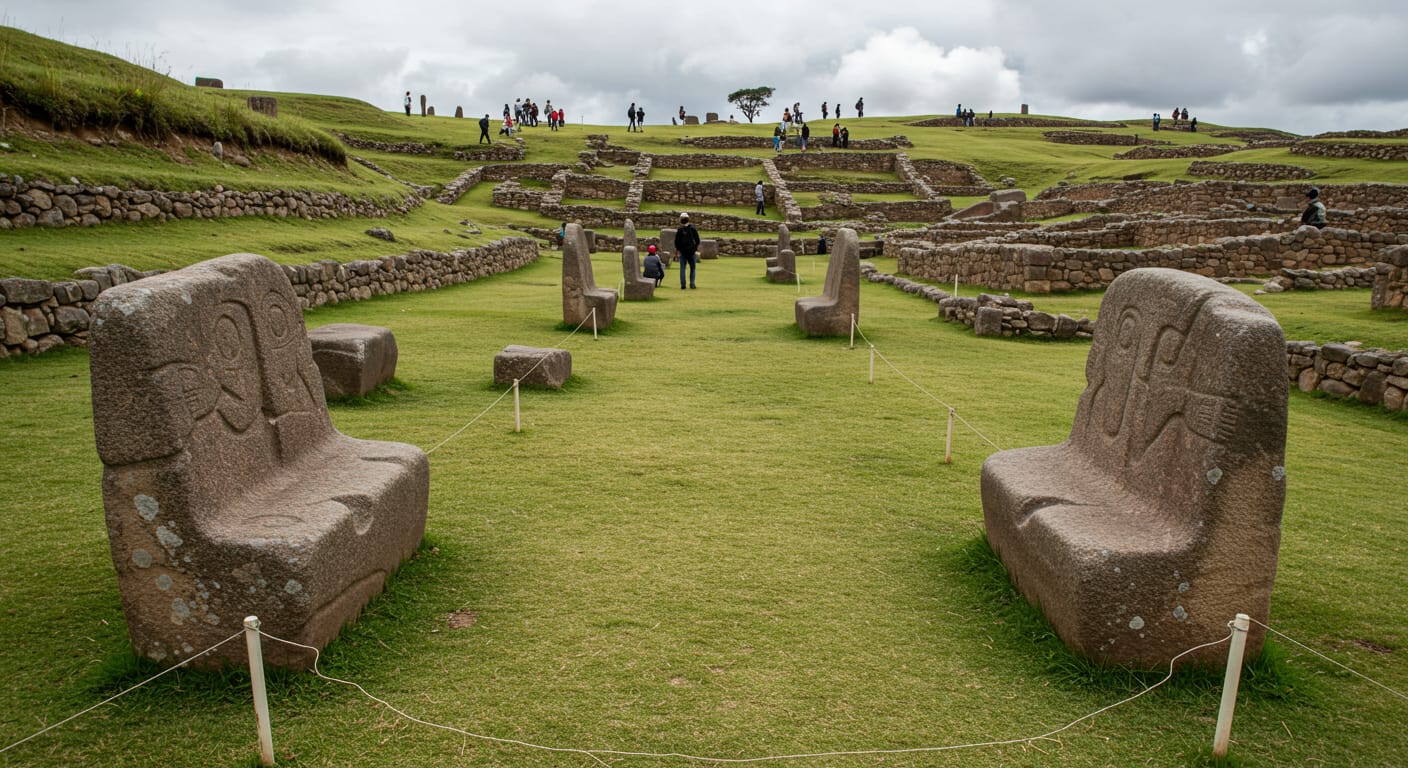
Some places capture attention not because everything about them is settled, but because so much still feels just out of reach. Japotonillo is one of those places. It is often described as a little-known archaeological area in Ecuador with major historical significance, and that reputation alone is enough to spark curiosity.
What makes the site especially intriguing is its combination of scale, landscape, and reported connection to the Manteña world. Even when the strongest claims still need firmer verification, Japotonillo stands out as the kind of place that invites wonder rather than easy conclusions.
Why Japotonillo Captures Attention
Stories about Japotonillo tend to emphasize how expansive and overlooked it is. Rather than appearing as a single monumental ruin, it is often presented as a broad cultural landscape that may contain traces of ceremonial, social, or political life spread across a large area.
That alone gives it a different emotional weight from more familiar heritage destinations. An archaeological site hidden across hills, vegetation, and open terrain can feel less like a museum piece and more like a living question. For travelers, residents, and history-minded expats, that sense of discovery can be powerful.
What People Say About the Site
Japotonillo is sometimes described as the largest archaeological site in Ecuador, with reported estimates placing it at roughly 7,000 hectares. Those claims are central to the site’s mystique, but they should be treated cautiously here. In the absence of supporting documentation in this article’s source set, they are best understood as part of the site’s current reputation rather than fully confirmed facts.
That distinction matters. A place can be fascinating and potentially important without every headline-worthy detail being firmly established. In fact, the gap between local recognition and wider documentation is part of what makes places like Japotonillo so interesting.
The Manteña Connection
Japotonillo is commonly linked in public discussion to the Manteña culture, one of the most important pre-Hispanic societies of coastal Ecuador. The Manteña are broadly associated with complex settlement patterns, trade, and ceremonial traditions along the coast, and their legacy continues to shape how many people interpret archaeological remains in the region.
Within that conversation, people often mention the so-called “Chairs of Power,” usually understood as carved stone seats or ceremonial features associated in popular imagination with leadership, ritual, or status. It is an evocative idea, but it should not be overstated. Without stronger archaeological evidence presented here, it is more responsible to say that such features are popularly linked to authority than to claim they definitively prove a specific political or ceremonial function.
What Makes a Site Like This Feel Powerful in Person
Even without a final scholarly verdict on every detail, landscapes like Japotonillo can leave a strong impression. Vast spaces have their own language. A long stretch of terrain marked by subtle remnants, unusual stone forms, or traces of old human presence can make visitors feel as though they are standing inside a history that has not yet been fully translated.
That feeling matters in an expat context. Living in Ecuador often means discovering that the most memorable places are not always the most promoted. Sometimes the deepest sense of connection comes from encountering a landscape that locals know, that history quietly inhabits, and that still resists easy summary.
Isolation can intensify that effect. When a place feels removed from modern noise, every contour of the land seems more significant. A rise in the earth, a carved surface, or a clearing in the terrain can begin to feel less ordinary. Whether or not every interpretation holds up under future study, the experience of simply being there can still be profound.
Between Legend, Local Memory, and Archaeology
Lesser-known heritage sites often exist in a space between oral tradition, local memory, traveler fascination, and formal archaeological study. Japotonillo appears to belong to that category. That does not reduce its value. If anything, it highlights how cultural significance is often recognized long before it is widely documented.
Still, it is important to separate different kinds of knowledge. Local storytelling can preserve meaningful memory. Traveler accounts can spread awareness. Archaeology, at its best, tests interpretations against material evidence. A responsible article should respect all three without blending them into certainty where certainty does not yet exist.
That balance helps avoid a common mistake: turning an intriguing possibility into a declared fact simply because it is compelling. Heritage deserves better than that. So do readers.
Why Verification Matters Here
Claims about whether Japotonillo is the largest site of its kind in Ecuador, how many hectares it covers, and exactly how its carved features should be interpreted all require stronger sourcing than is available in this draft. Acknowledging that uncertainty does not weaken the story. It makes the story more honest.
For readers, that honesty creates a better invitation. Instead of pretending the discussion is closed, it opens the door to further research, local testimony, and future archaeological clarification. The result is a portrait of Japotonillo that is curious, respectful, and grounded rather than exaggerated.
A Responsible Way to Tell the Story
Japotonillo’s allure may lie partly in the fact that it remains underdocumented in broader public conversation. It is the kind of place that asks for humility. There may be real historical depth there. There may also be layers of interpretation that need time, research, and careful study.
For now, the most responsible way to approach it is with attention, cultural respect, and openness. Japotonillo can be meaningful without being oversold. It can be mysterious without being mythologized into certainty.
And perhaps that is what makes it memorable: the image of an overlooked Ecuadorian landscape that may hold deep historical significance, even as some of its most striking details still wait to be more clearly confirmed.