Is My Cuenca Home Haunted? A Supernatural Expat Story
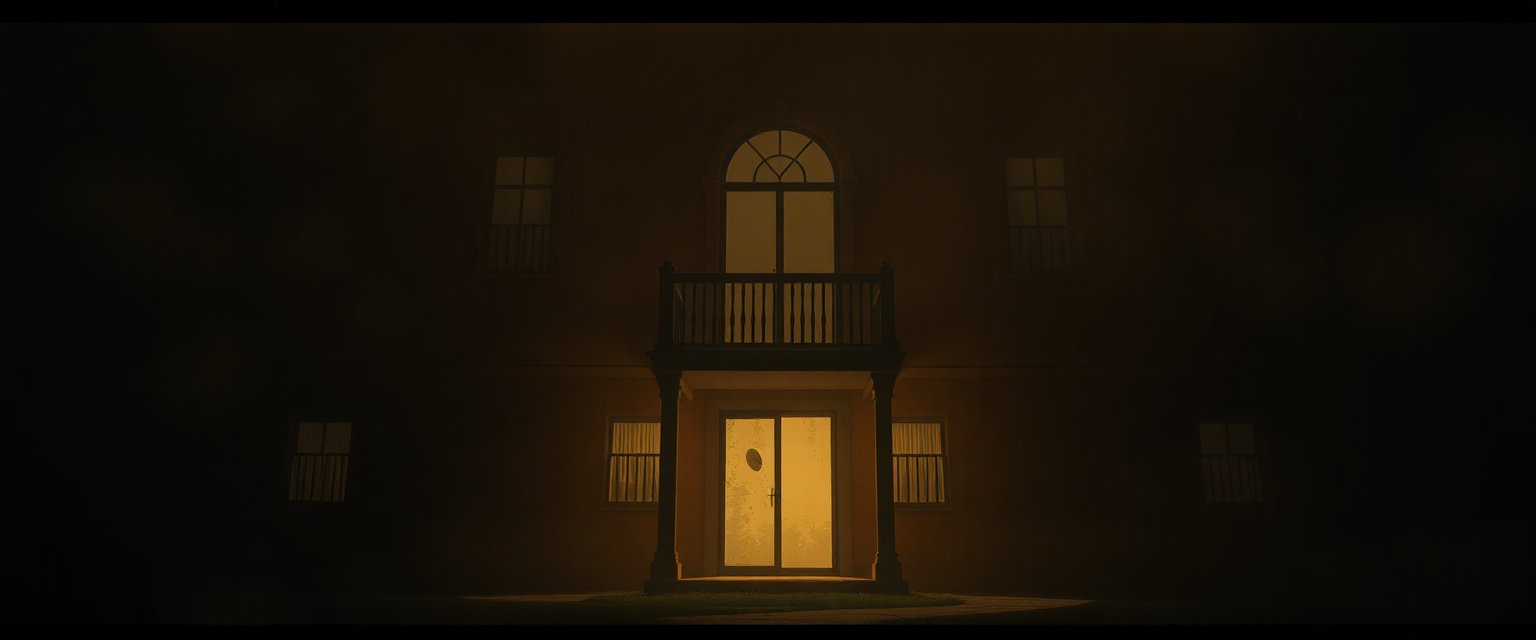
When my partner and I decided to make Cuenca our new home, we never imagined our expat adventure would include wondering if our house was haunted. Yet here I am, two years later, still puzzled by the unexplained events that have become part of daily life in this beautiful Ecuadorian city.
Finding Our Dream Home in Historic Cuenca
Our house seemed perfect during that first tour—a gorgeous colonial gem in one of Cuenca's historic neighborhoods. Thick adobe walls, traditional red tile roof, and a charming interior courtyard checked every box on our expat wish list. The high ceilings with exposed wooden beams, ornate iron window grilles, and peaceful garden bursting with bougainvillea felt like stepping into a postcard.
Just blocks from the historic center, we could walk to the cathedral, browse weekend markets, and dive into the vibrant culture that drew us to Cuenca. With reasonable rent and a friendly landlord, we felt incredibly lucky to snag such a gem.
Our first weeks were typical expat chaos: immigration paperwork, finding favorite cafés, learning bus routes, and hunting down familiar products in local tiendas. The house welcomed us warmly as we unpacked and created our Ecuadorian sanctuary.
Around week three, I first noticed something odd—soft footsteps on the wooden floors upstairs while we sat in the living room below. We exchanged glances but shrugged it off as normal house settling or sounds from neighbors through the shared walls common in colonial buildings.
When Strange Becomes Routine
What started as occasional mysterious sounds slowly developed into a pattern that became harder to explain away. Doors we'd left open would mysteriously close. Certain rooms would suddenly turn ice-cold with no drafts, no weather changes—just an inexplicable chill.
My partner, ever practical, blamed our unfamiliarity with the house and Cuenca's climate. "Old houses make noise," he'd say. "We're still adjusting to the altitude and temperature swings here." I wanted to believe these logical explanations, and for a while, they seemed reasonable enough.
Then came the morning we both heard the unmistakable creak of the rocking chair in our spare bedroom—when nobody was in there. Or the evening when every door in the house slammed shut at once during perfectly still air. These incidents were getting impossible to dismiss.
Our different reactions made for fascinating dinner conversations. While I grew more curious and slightly concerned, my partner doubled down on finding rational explanations for everything we experienced during our work-from-home days.
Digging Into Our Home's Past
Curiosity eventually drove me to investigate our house's history. With improving Spanish skills, I started chatting with neighbors during morning walks to the mercado. Doña María next door, a 40-year neighborhood veteran, became my best source of local knowledge.
Through our conversations, I discovered our house was built in the 1920s by a prominent local family. The original owner, a successful merchant, lived there with his wife until her death in the 1960s. Doña María casually mentioned that the señora had been deeply attached to the house, often saying she could never imagine living anywhere else.
What struck me most was how naturally our neighbors discussed the possibility of lingering presences in old houses. No fear or alarm—just simple acknowledgment that some places hold memories and energies from their past. This cultural perspective differed dramatically from reactions I might expect back home.
I tried documenting occurrences in a simple journal, tracking dates and descriptions. While this helped me notice patterns, it didn't provide the concrete evidence my partner wanted. The experiences seemed to resist documentation, happening most often when I was alone or during quiet, unguarded moments.
Learning to Live with Mystery
Over time, we developed what I can only call comfortable coexistence with whatever presence shares our home. We learned to acknowledge unusual sounds with casual "Buenos días" or "Buenas noches," treating our invisible housemate with the same courtesy we'd show any neighbor.
Our routines adapted naturally around the phenomena. We started leaving the spare bedroom door open since it closed itself anyway. We learned to dress warmly in rooms where temperature drops happened most often. These adjustments became as automatic as carrying an umbrella during rainy season.
Rather than feeling unsettled or wanting to move, sharing our space with the unknown has deepened our connection to both house and city. We feel like guardians of Cuenca history, entrusted with caring for a place that holds significance beyond our own stay.
This mystery taught us to embrace uncertainty in ways extending far beyond our living situation. As expats, we constantly navigate the unknown—new customs, different systems, unfamiliar social dynamics. Our possibly haunted house became a metaphor for expat life itself: finding comfort and joy in situations we can't fully control or understand.
Discovering Cuenca's Mystical Dimension
Most Cuenca expat stories focus on practical benefits—affordable living, excellent healthcare, pleasant climate, welcoming community. While we've certainly enjoyed these advantages, our experience connected us to this ancient city's more mystical side.
Cuenca's rich history layers indigenous Cañari culture, Inca influence, Spanish colonial development, and modern Ecuadorian identity. Walking the historic center, you can't help sensing the depth of human experience that shaped this place. Our mysterious house made us more attuned to this historical richness and more respectful of countless lives that called Cuenca home before us.
For other expats facing unexpected challenges—supernatural or otherwise—I'd suggest: choose curiosity over fear, seek understanding rather than immediate dismissal, and remember that discomfort often comes before growth. Some of expat life's most meaningful aspects come from experiences we never could have anticipated.
Two years later, we still don't have definitive answers about whether our home is actually haunted. What we do have is a unique story, deeper appreciation for Ecuador's cultural richness, and a home that feels authentically ours despite—or perhaps because of—its mysteries. In a historically layered city like Cuenca, sharing space with the past seems not just acceptable, but somehow fitting.
Whatever presence might inhabit our colonial walls taught us that home isn't just physical space we occupy, but the respect and openness we bring to that space. In Cuenca, we've learned to call home a place holding more stories than we may ever fully understand—and we wouldn't have it any other way.