From Tourist to Local: How Life Changes After Five Years in Cuenca
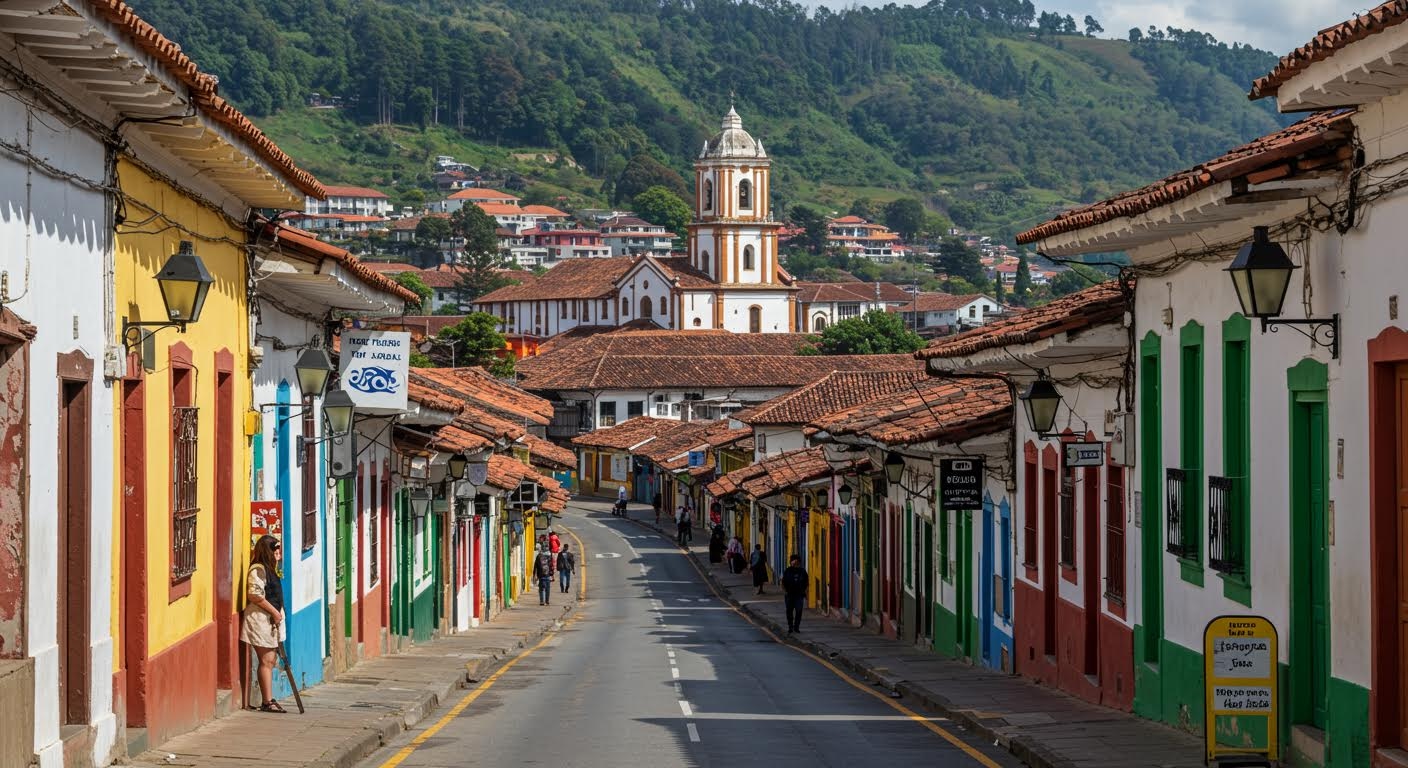
Becoming a true local in Cuenca isn't something that happens overnight. It's a gradual transformation that unfolds over years, marked by distinct phases of wonder, reality checks, adaptation, and finally—genuine belonging. After five years in Ecuador's cultural capital, that wide-eyed tourist who once gasped at every colonial balcony has evolved into someone who moves through the city with the easy confidence of a born Cuencano.
Those Magic First Days as a Tourist
Every long-term Cuenca resident can close their eyes and remember those first enchanted days. The UNESCO World Heritage architecture practically glows in that crisp Andean light. Cobblestone streets whisper centuries-old stories under your feet. Every interaction with locals feels like a warm invitation to never leave.
And the prices! A three-course lunch for $3, handwoven Panama hats for $20, taxi rides that cost less than a coffee back home. Meanwhile, that perfect spring weather promises year-round comfort without ever touching a thermostat.
During this honeymoon phase, conversations stay pleasantly surface-level—tourist-friendly English here, basic Spanish pleasantries there. The city reveals itself through guided tours, recommended restaurants, and expat-friendly services designed to make visitors feel instantly at home. It's tempting to think permanent life here will just be this delightful vacation stretched into forever.
But those early assumptions miss something crucial: the invisible complexity of actually building a real life in a different culture, complete with its own systems, unwritten rules, and social expectations that no guidebook ever mentions.
Years 1-2: When Reality Kicks In
Phase two hits when your tourist visa expires and actual Ecuadorian life begins. Suddenly, that charming colonial architecture competes with the harsh reality of navigating cedula applications, banking procedures, and visa requirements that seem designed by a committee of bureaucrats from three different centuries.
Language barriers smack you in the face during everyday situations that have nothing to do with ordering empanadas. Try explaining to a plumber why your shower only produces scalding water or arctic spray—nothing in between. Try understanding why your landlord needs six different documents, three references, and your firstborn child's birth certificate just to fix a leaky faucet.
That charming colonial housing shows its true personality. Those thick walls that seemed so atmospheric? They make WiFi signals disappear into another dimension. That unique layout with rooms connecting through other rooms? Turns out furniture delivery becomes an engineering puzzle worthy of a PhD thesis.
And don't get me started on healthcare navigation. Ecuador's public and private systems work wonderfully—once you understand them. But figuring out which doctor to see, how insurance works, and why you need to bring your own toilet paper to some clinics can leave newcomers feeling like they're solving riddles in a foreign language. Because they are.
Years 3-4: Finding Your Groove
Around year three, something magical happens: Spanish starts flowing instead of stumbling. Jokes actually land. You begin catching those subtle communication patterns that make Ecuadorian social life tick. This linguistic breakthrough doesn't just open doors—it opens hearts.
Your relationship with Don Carlos at the corner shop evolves beyond pointing at items and hoping for the best. He remembers you drink your coffee black and asks about your family. The taxi driver recognizes your address and starts the meter without you having to explain where "near the blue house with the dog that barks a lot" actually means.
Cuenca's seasonal rhythms become your seasonal rhythms. You know rainy season means carrying an umbrella every single day, even when it's sunny at breakfast. You plan around university breaks when the city empties of students. You stock up on favorite imported items before Christmas when half the city shuts down for two weeks.
Your daily routines solidify around trusted local spots. That experimental phase of trying every market, restaurant, and service provider gives way to reliable patterns that make life flow smoothly. You have "your" butcher, "your" produce lady, and "your" guy for everything that needs fixing.
Year 5 and Beyond: Becoming Genuinely Local
By year five, something profound shifts. Participating in community events stops feeling like cultural tourism and starts feeling like just... life. Whether it's joining neighborhood Easter celebrations, understanding the social dynamics of Corpus Christi, or contributing meaningfully to discussions about local issues, you move through these experiences with authentic comfort.
Social nuances that once seemed like encrypted messages become second nature. You know when direct conversation is welcome and when diplomatic indirectness works better. You can read the subtle cues that guide Ecuadorian interpersonal relationships, making every interaction smoother and more genuine.
Most significantly, Cuenca stops being your "adopted home" and becomes simply home. Walking through familiar neighborhoods triggers the same deep sense of belonging you'd feel in any hometown. The city's rhythms align with your personal rhythms, creating rootedness that goes far beyond just having an address here.
Your identity shifts from "expat living in Ecuador" to just... resident. You stop constantly comparing everything to "back home" because this is home, with all the complex emotions and deep attachments that word carries.
The Real Changes That Happen
Your social circle transforms dramatically. Year one usually means mostly expat friendships and English-language interactions. By year five, your network typically includes close Ecuadorian friends, seasoned expat residents, and newcomers you help navigate their own early challenges. This diversity reflects genuine integration into the broader community.
You develop deep appreciation for Ecuadorian approaches to time, relationships, and priorities. What initially seemed inefficient gradually reveals itself as a more sustainable, satisfying pace of life. Why rush lunch when you could actually enjoy it and catch up with friends?
Your practical wisdom extends far beyond language skills. You understand informal networks, know exactly who to call for any need, and navigate systems through relationships and local knowledge rather than fighting formal bureaucracy. This makes daily life not just easier, but genuinely enjoyable.
Perhaps most surprisingly, you discover you've changed in fundamental ways. Many five-year residents report shifts in their basic approaches to time, relationships, family, and what makes life meaningful. It's not just about where you live—it's about who you've become.
What New Arrivals Should Know
Understanding this timeline helps set realistic expectations. The tourist-to-local journey genuinely takes several years, with each phase bringing unique challenges and rewards. Expecting immediate integration usually leads to unnecessary frustration and disappointment.
Language learning and cultural curiosity represent your best investments. Beyond basic communication, developing genuine interest in Ecuadorian history, values, and perspectives accelerates integration and deepens your eventual sense of belonging.
Building patience for bureaucratic processes and cultural differences pays enormous dividends. What seems inefficient often reflects different approaches to problem-solving and relationship-building that become clearer with experience.
Most importantly, embrace the gradual nature of becoming local. Each phase offers its own rewards, from small daily discoveries to major perspective shifts that enrich the entire experience. Don't rush the journey—savor it. Before you know it, you'll be the one giving advice to the next wide-eyed tourist who's wondering if they could ever really call Cuenca home.