Father Javier Loyola's March from Chuquipata: A Cuenca Independence Legend
Father Javier Loyola's March from Chuquipata: A Cuenca Independence Legend
A Local Legend from Cuenca's Fight for Independence
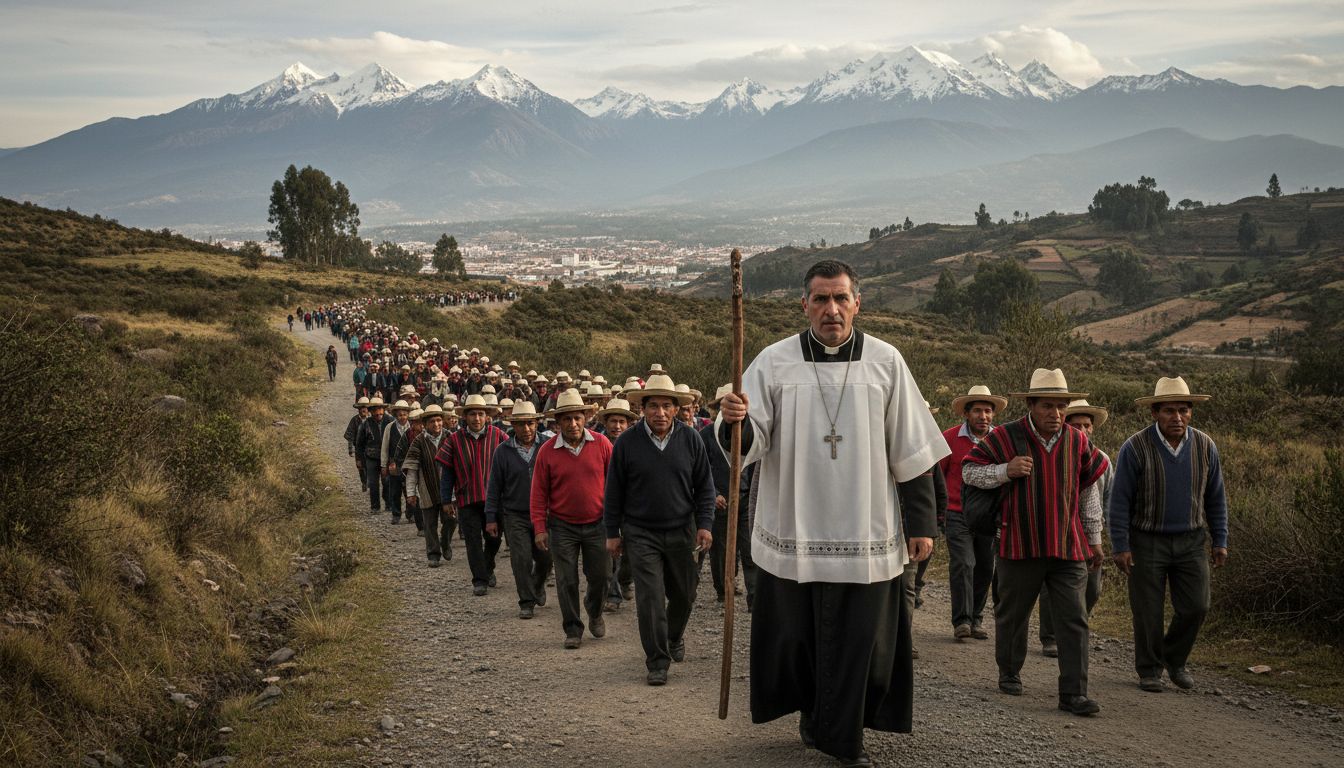
Among the stories passed down about Cuenca's path to independence is one involving a priest named Father Javier Loyola, who is said to have marched roughly 300 men from the rural area of Chuquipata to help the city secure its break from Spanish rule in November 1820. Longtime residents, local guides, and amateur historians often share this account as part of the city's regional lore.
November 1820 was a pivotal month across what is now Ecuador. Cities and regions were weighing their own paths toward independence, inspired in part by Guayaquil's declaration earlier that year. Cuenca's own bid for independence fits within this broader wave of movements sweeping through the region, as local leaders and communities grappled with how, and whether, to break from colonial authority.
It's worth noting upfront that many of the specific details in this story, including names, numbers, and dates, come from local tradition rather than verified historical documentation. Readers should approach what follows as a piece of Cuenca's storytelling heritage: a narrative that reflects how the city remembers its independence era, rather than a confirmed historical record.
Who Was Father Javier Loyola?
In local accounts, Father Javier Loyola is remembered as a priest who took an active role in the independence cause, using his position and influence to mobilize support from the surrounding countryside. Clergy involvement in Latin American independence movements was not unusual; priests often held significant sway in their communities and sometimes used that influence to back political causes, including the push for independence from Spain.
That said, verifiable sources confirming the specifics of Loyola's biography or the exact nature of his role in these events appear to be absent. No parish records, contemporary letters, or official documents are readily available to corroborate his involvement as described in popular retellings. This doesn't necessarily mean the story is untrue, but it does mean that, as far as documented history goes, many gaps remain.
Chuquipata to Cuenca: The March of 300 Men
According to tradition, Loyola rallied approximately 300 men from Chuquipata, a rural area some distance from Cuenca, and led them toward the city to bolster the independence effort. If accurate, this kind of mobilization would have been a significant undertaking, requiring the organizing, equipping, and moving of a sizable group of men from the countryside into an urban center during a period of political upheaval.
Symbolically, such a march represents something many observers find compelling: the idea of rural communities rallying behind an urban independence movement, lending their numbers and support to a cause centered in the city. The terrain between Chuquipata and Cuenca, part of the Andean highlands, would have made for a demanding journey, adding a layer of effort and commitment to the story as it's traditionally told.
Cuenca's Independence Moment in November 1820
Cuenca's declaration of independence in November 1820 is generally remembered as part of the broader sequence of events that unfolded following Guayaquil's own declaration earlier that year. Within this local telling, reinforcements like Loyola's group of men from Chuquipata are remembered as having contributed to the momentum that allowed Cuenca to assert its independence.
This local episode sits within a larger regional context: cities and provinces across the area were making their own decisions about independence, sometimes acting somewhat independently of one another before later consolidating into the broader movement that eventually shaped the region's path toward full sovereignty.
Why This Story Matters Today
For expats living in or visiting Cuenca, stories like this one offer a window into how the city understands and commemorates its own history. Whether or not every detail can be verified, the narrative reflects values and memories that matter to the community: courage, local solidarity, and the role ordinary people are believed to have played in shaping the city's identity.
Visitors may notice echoes of this history in local commemorations, place names, or references scattered throughout Cuenca's historic center. Exploring the city's independence-era sites, plazas, and museums can offer a more immersive way to engage with this period, even when the finer historical details remain debated or undocumented.
A Note on Sources and Historical Memory
It's important to be transparent about the nature of this account: it reflects oral and local historical tradition rather than confirmed documentary evidence. No primary sources were available to verify the names, figures, or precise sequence of events described here. A recurring theme in local histories like this one is the blending of memory, pride, and legend over generations.
Readers are encouraged to treat the names, figures, and dates in this story as part of Cuenca's broader storytelling heritage rather than settled fact. Those interested in digging deeper into the historical record are encouraged to consult local archives, professional historians, or cultural institutions in Cuenca, which may offer additional context, documentation, or alternative perspectives on this episode in the city's path to independence.