Educator Named to Lead Latacunga's 2026 Mama Negra Festival Through La Merced
Educator Named to Lead Latacunga's 2026 Mama Negra Festival Through La Merced
According to reports circulating ahead of the 2026 festival season, an educator named José Marcelo Mogro Gallardo has been designated to take on a central ceremonial role in Latacunga's famous Fiesta de la Mama Negra. His background as an educator has drawn particular interest among community-oriented observers, since pairing a teaching career with a prominent cultural leadership role suggests a connection between formal education and grassroots tradition. It's worth noting, however, that this appointment is reported rather than independently confirmed, so readers should treat the specific details as preliminary until further verification emerges.
What Is the Mama Negra Festival?
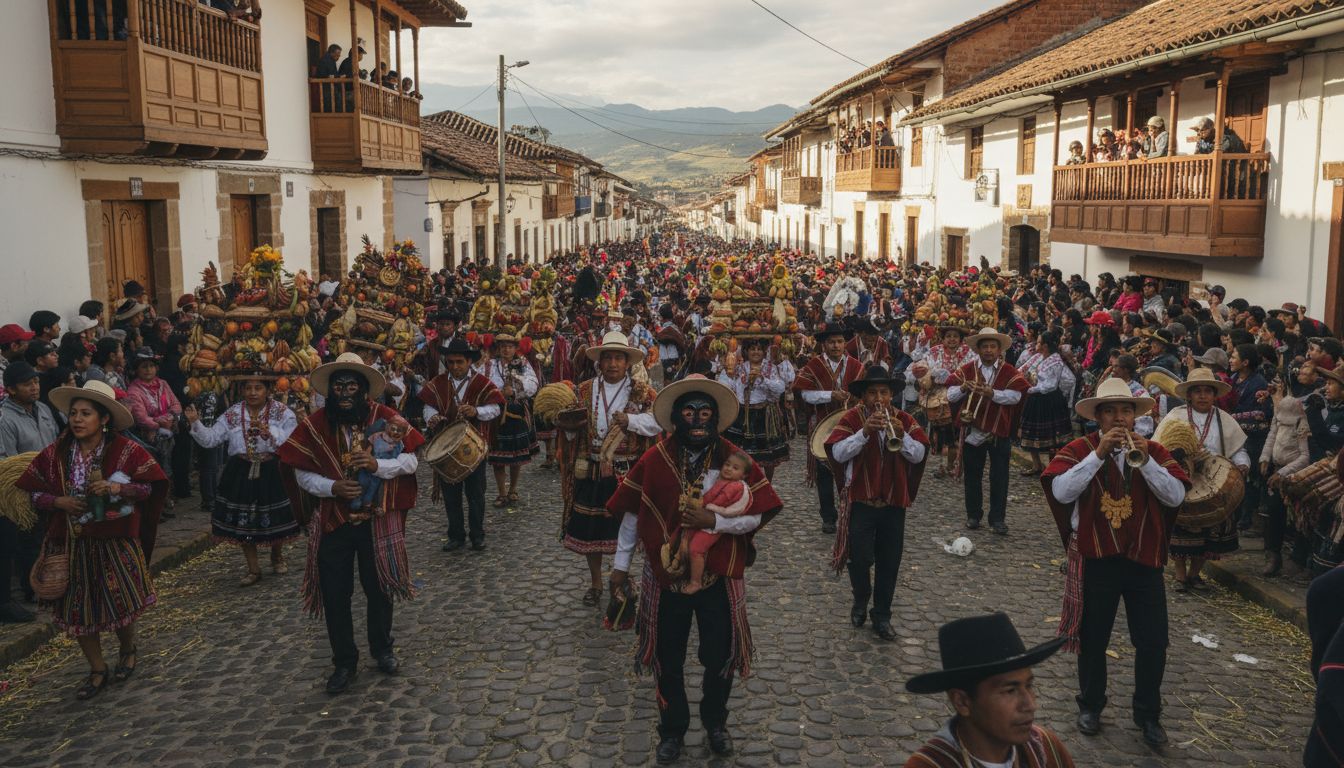
The Fiesta de la Mama Negra is widely recognized as one of Ecuador's most vibrant cultural celebrations, generally understood to blend Indigenous, Afro-Ecuadorian, and Spanish colonial influences into a single, layered tradition. Held in Latacunga, in the Cotopaxi province, the festival is commonly described as an expression of the region's mixed heritage, featuring costumed processions, symbolic characters, and community participation. Because no specific sources were available to confirm granular historical details for this piece, these characterizations should be understood as general background rather than precise historical record.
For many in Cotopaxi, the festival is said to serve as a marker of local identity, a moment when different threads of the region's history are woven together publicly. This broad cultural significance is part of why any change in festival leadership, such as the reported naming of a new honoree, tends to attract community attention.
The Road Through La Merced
Central to the festival, as commonly described, is a procession route that passes through La Merced, often regarded as a symbolic and spiritual centerpiece of the celebration. This year's event is reported to include participation from as many as 80 delegations, though this figure has not been independently verified and should be approached with appropriate caution.
If accurate, a gathering of that scale would suggest a significant level of community involvement, potentially drawing participants from across Cotopaxi and beyond. Such widespread participation could, speculatively speaking, reinforce the festival's role as a unifying cultural touchstone, bringing together diverse groups under a shared tradition. Until more details are confirmed, though, the scope and composition of this year's delegations remain an open question.
An Educator in a Cultural Leadership Role
The idea of an educator stepping into a ceremonial cultural leadership position invites reflection, at least in general terms, on how education and cultural preservation might intersect. Educators often serve as custodians of local knowledge and history in their communities, so it isn't difficult to imagine symbolic resonance in an educator being chosen for a role tied to heritage and tradition.
That said, no confirmed biographical or professional details about Mogro Gallardo were available for this piece. Readers should understand that any characterization of his background beyond his reported profession as an educator would be speculative, and this article intentionally avoids asserting specifics that cannot currently be verified.
Why This Story Resonates Beyond Ecuador
For expats and outside observers, stories like this one offer a window into the layered cultural identity of a host country. Festivals such as Mama Negra are often cited as opportunities for newcomers to Ecuador to engage with traditions that blend multiple histories into a single communal experience, and the naming of a new community figure to lead such an event can be a small but telling entry point into local customs and values.
More broadly, the story touches on recurring themes of community leadership and cultural continuity, subjects that often resonate with readers regardless of where they live. As with any developing story built on limited sourcing, however, the specific facts here, from the appointment itself to the scale of participation, remain unconfirmed. Readers interested in this story are encouraged to look for verified updates as more information becomes available.