Ecuador's Whale-Watching Season Is Here — What Expats Should Know About the 'Love Tour' Buzz
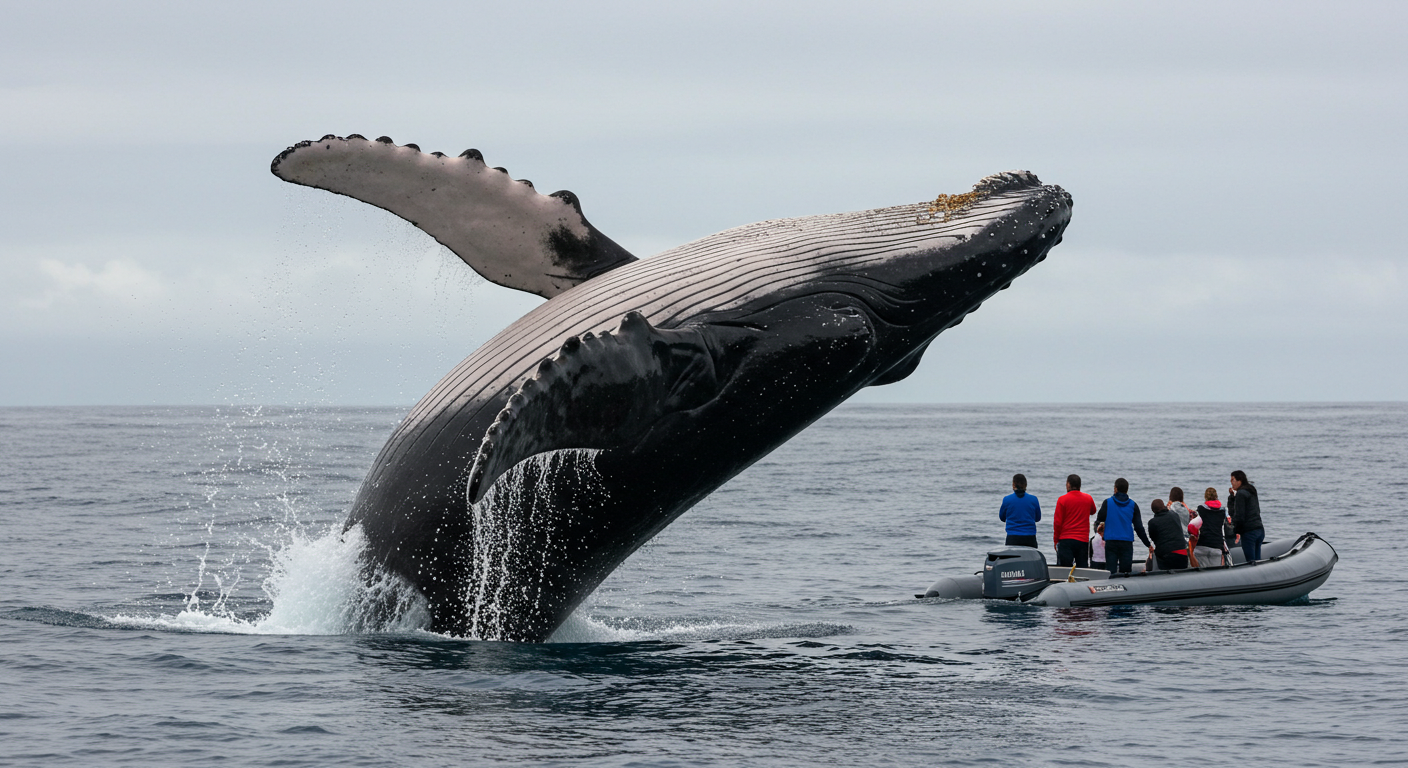
Every year around this time, Ecuador's Pacific coast becomes a gathering point for one of nature's more dramatic seasonal events: the annual arrival of humpback whales. For expats settled along the coast, or those simply planning a visit, this is often cited as one of the best windows to see marine wildlife up close. Some recent chatter has referred to this year's season as a 'Love Tour' and suggested that whale activity is peaking right now — but it's worth pausing on those specifics before treating them as confirmed.
Puerto Lopez, a small coastal town, has long served as the traditional launching point for whale-watching excursions in this region. Nearby, Machalilla National Park and the boat trip out to Isla de la Plata are frequently mentioned as the heart of the experience. This much aligns with general, long-standing knowledge about the area. What's less clear — at least without confirmation from an official source — is whether 'Love Tour' is an actual campaign name being used by a tourism authority this year, or whether the season is objectively at its peak on any particular date. Readers should treat those elements as unverified for now.
Why Humpbacks Choose Ecuador's Waters
The general migratory pattern behind this phenomenon is well documented: humpback whales travel long distances from cold Antarctic feeding grounds toward warmer equatorial waters, where they breed and give birth. Ecuador's coastline has traditionally been one of several stops along this route in the Eastern Pacific.
This period is sometimes described in romantic terms — mating season, courtship displays, and breaching behavior are all commonly associated with this time of year, which may explain why a label like 'Love Tour' would resonate as a marketing concept. That said, without a confirmed statement from Ecuador's tourism board or a similar authority, it's more accurate to describe this as a plausible explanation for the framing rather than a confirmed campaign name.
What Expats and Travelers Can Expect on a Whale-Watching Trip
For those living in or visiting Ecuador, the logistics of a whale-watching trip are generally straightforward. Boat tours typically depart from Puerto Lopez, with guided excursions heading out toward Isla de la Plata, an island known for both marine life and bird species.
The broader seasonal window for humpback sightings along Ecuador's coast has historically run roughly from June through September, though this should be understood as general background context rather than a confirmed schedule for this particular year. Expats new to the area should budget for tour costs that can vary depending on the operator and boat size, and it's worth taking time to vet tour companies — checking for proper safety equipment, life jackets, and a good reputation among other residents or in online reviews. As with many outdoor excursions in Ecuador, conditions on the water can change, so comfort items like motion sickness remedies, sun protection, and layered clothing are commonly recommended.
Tips for Making the Most of Peak Season
Many long-time visitors and residents suggest that morning departures tend to offer calmer seas and better visibility for spotting whales. Weather along the coast can shift throughout the day, so building some flexibility into travel plans is generally a good idea.
Whale-watching trips are often combined with other coastal activities near Puerto Lopez, such as visiting nearby beaches, exploring Machalilla National Park's trails, or spending time in the town itself. For expats still getting oriented in Ecuador, this season can be a good opportunity to plan a weekend excursion, particularly if coordinating with others who have made the trip before and can share practical, firsthand advice.
What We Don't Know Yet — and Why It Matters
It's important to be transparent here: no sources were available to confirm the specific 'Love Tour' branding, exact peak dates for this season, or any official statistics about whale sightings this year. The Expat-Stories category allows for this kind of general, experience-based content without requiring strict sourcing, but that also means the more specific claims in circulation — the campaign name, the idea that the season is peaking right now — should be treated as general seasonal context rather than confirmed news.
Anyone planning a trip around this information would do well to check with Ecuador's official tourism board or recent local reporting for the most current and verified details before finalizing plans.