Ecuador's Ley Seca Returns for the November 29 Elections: What Expats Should Know
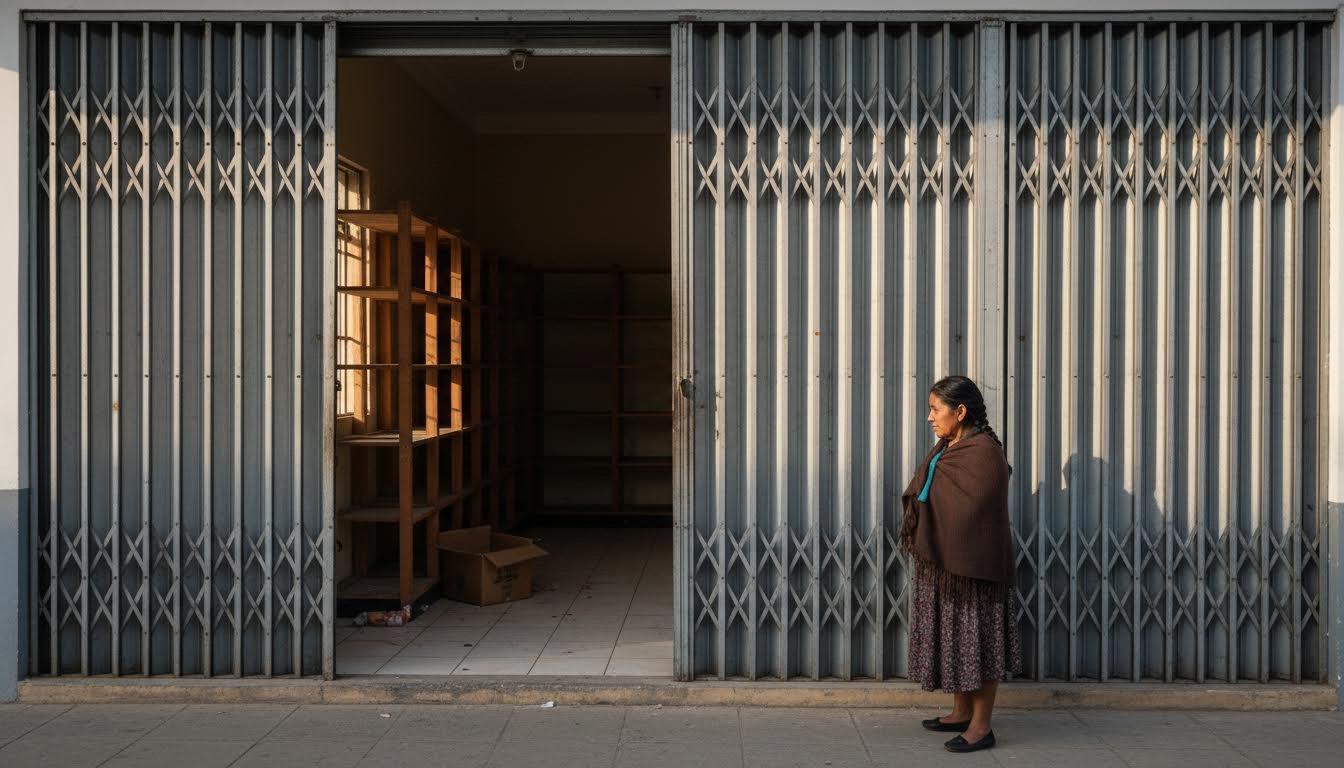
Longtime residents of Ecuador know the rhythm well: as election season approaches, so does a temporary pause on alcohol sales. Many observers note that this measure, known as the "Ley Seca," or "dry law," tends to resurface around major voting days, and reports suggest it is returning for the November 29 local elections.
What Is Ecuador's 'Ley Seca' and Why It's Happening Again
The Ley Seca is a recurring Ecuadorian tradition tied to election periods, generally understood as a measure meant to support public order and reduce disruptions around voting. It is not a new or unusual step. Many in the expat and local community describe it as a predictable part of the electoral calendar rather than an emergency measure.
That said, the precise legal basis for this year's ban, and official confirmation of its scope, should be verified against announcements from Ecuador's National Electoral Council, known as the CNE, or established Ecuadorian news outlets, since specifics can shift from one election cycle to the next.
The Timeline: Friday Noon to Monday Noon
According to commonly circulated expectations, the window for this year's restriction spans from Friday at noon through Monday at noon, covering the entire election weekend rather than just election day itself. This extended timeframe often catches newcomers off guard, since it's easy to assume the ban applies only to Sunday.
A recurring concern among expats is uncertainty about exact start and end times, which may vary slightly by municipality. Residents are encouraged to confirm local timing rather than assume a uniform national schedule.
What's Actually Banned
Reports generally describe the Ley Seca as prohibiting the sale of alcohol at liquor stores, supermarkets, and convenience stores, as well as the serving of alcohol at bars, restaurants, and hotels during the designated window. In some cases, there may also be restrictions on public possession or consumption, though the precise scope can vary.
Because enforcement details are not always uniform across regions, it's wise to treat these as general guidelines and check official guidance for the specific rules in your area.
How It's Enforced
Enforcement is typically handled by local police and municipal authorities, who monitor compliance among businesses rather than individuals. Establishments that violate the ban may face penalties such as fines or temporary closure.
Many longtime residents describe the enforcement tone as routine and procedural, part of standard election-weekend operations rather than an aggressive campaign targeting tourists or foreign residents. Still, it's a measure worth taking seriously, as businesses face real consequences for noncompliance.
What This Means for Expats and Foreign Residents
For expats settling into life in Ecuador, the Ley Seca is best approached as a cultural adjustment moment rather than cause for alarm. A few practical considerations:
- Stock up on any alcohol you might want before Friday noon, since purchases won't be possible during the restricted window.
- Expect your favorite bars and restaurants to pause alcohol service for the duration, even if they remain open for food.
- Avoid public drinking during this period to stay on the safe side, particularly in shared or public spaces.
Many expats who have lived through a few election cycles describe the Ley Seca as a minor inconvenience that becomes easier to plan around once you know it's coming.
Staying Informed and Verifying Details Locally
Because exact hours, dates, and enforcement specifics can shift slightly between election cycles, it's worth checking official CNE announcements or trusted Ecuadorian news outlets closer to the date for confirmation. Local expat community groups, neighbors, and Ecuadorian friends can also be valuable resources for on-the-ground confirmation of how the rules are being applied in your specific area.
As with many aspects of life abroad, a recurring piece of advice from the expat community is simple: when in doubt, ask someone local, and don't rely solely on last cycle's details.