Ecuador Mountain Rescues Put Focus on High-Altitude Preparation
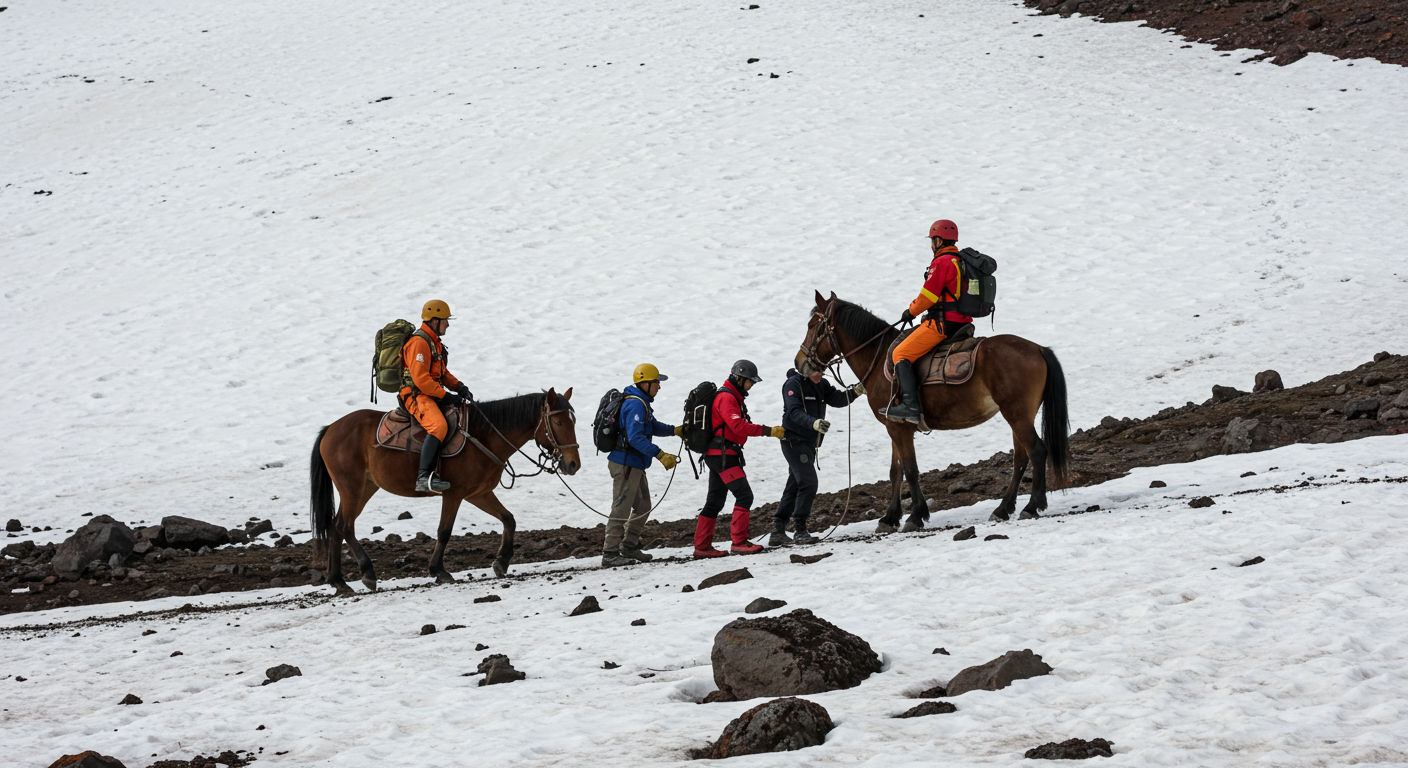
Reports circulating about a string of mountain rescues in Ecuador have put fresh attention on the risks facing climbers, hikers, expats, and visitors on the country’s highest peaks. The broad claim is that there were six mounted mountain rescues on six peaks over five months, with particular attention on a report that four people were pulled off Chimborazo alive in May.
Because no supporting source material was provided for this draft, those figures should be treated with caution. Still, the underlying issue is real and relevant: Ecuador’s high-altitude mountains can become dangerous very quickly, even for people who have outdoor experience elsewhere.
Why this matters for expats and travelers
For many newcomers to Ecuador, the Andes are part of the country’s appeal. Peaks such as Chimborazo draw people looking for adventure, acclimatization goals, photography, or guided climbs. But high-altitude terrain here is not forgiving. A rescue story does not have to be confirmed in every detail to serve as a warning about the kinds of problems that can develop above the snow line or on long, exposed approaches.
The main value of this story is practical. Whether the recent rescue count proves exact or not, the pattern it suggests is familiar: people get into trouble when altitude, cold, fatigue, timing, and route decisions begin to compound.
What is being claimed
The central claim is that Ecuador saw six mounted mountain rescues across six peaks in a five-month period. A narrower claim says that four climbers or hikers were brought off Chimborazo alive during May. Without attribution, those details are better understood as reported claims rather than confirmed facts.
That distinction matters. Specific numbers, dates, and outcomes can change as incidents are clarified by authorities, rescuers, guides, or later reporting. Until that happens, the safest way to read the story is as an indicator of rescue activity and mountain risk, not as a final accounting of incidents.
Why Chimborazo and other peaks can turn dangerous quickly
Chimborazo is an obvious focal point because of its altitude, exposure, and reputation. But the same basic hazards apply across many of Ecuador’s major summits. Weather can shift fast. Visibility can collapse. Temperatures can drop sharply after sunset or during storms. Snow, ice, loose rock, and changing glacier conditions can make a route feel very different from one week to the next.
Altitude is another major factor, especially for expats newly arrived in Ecuador or travelers trying to move too quickly from lower elevations to summit attempts. Even fit people can struggle when they are not acclimatized. Headaches, nausea, weakness, confusion, and loss of coordination can turn a manageable climb into an evacuation problem.
Route-finding also becomes harder when climbers are tired, behind schedule, or navigating in darkness. A simple delay can create a chain reaction: slower movement, more cold exposure, rising exhaustion, and growing difficulty descending safely.
How mountain rescues often become complicated
On Ecuador’s high peaks, rescues are rarely simple pick-ups. Remote access roads, rough terrain, steep slopes, and changing weather can slow every stage of an operation. Specialized rescue personnel, local authorities, drivers, guides, and support teams may all play a role depending on the location and the condition of the person needing help.
In some areas, evacuation may depend on what the terrain allows. That can include carrying an injured or exhausted person in stages, moving them to a road access point, or using animals and ground support where practical. Even when a person is ultimately brought out alive, the operation may be physically demanding, slow, and risky for rescuers as well.
That is one reason mountain safety decisions matter before an outing begins. Once a climber is in distress at altitude, options narrow quickly.
What these incidents appear to suggest
If the reported rescue pattern is broadly accurate, it points to familiar preparation gaps rather than one unusual event. Common factors in mountain trouble include poor acclimatization, weak planning, inadequate clothing, insufficient food or water, overconfidence, solo attempts, and summit pushes that start too late or continue too long.
Visitors sometimes underestimate Ecuador’s peaks because access can seem relatively straightforward compared with more remote mountain destinations. But convenience at the trailhead does not mean simplicity higher up. Conditions can become serious long before someone thinks of it as an emergency.
For expats, there is also a lifestyle factor. Living in Ecuador can make high mountains feel close and available year-round. That accessibility is a gift, but it can also encourage casual decision-making. The difference between a memorable day and a rescue may come down to whether someone turned around at the right moment.
What expats should do before attempting major peaks
Anyone considering Ecuador’s larger mountains should treat preparation as part of the trip, not as an optional extra. That means checking current conditions, understanding route difficulty, reviewing weather forecasts, and confirming any park access rules or guide expectations before departure.
It also means building altitude gradually. Spending time at intermediate elevations, doing smaller hikes first, and paying attention to how your body responds can reduce the chances of a bad decision high on the mountain. Fitness helps, but it does not replace acclimatization or judgment.
Bring proper layers, a light and backup batteries, food, water, emergency supplies, and a clear communication plan. If you are relying on a guide, be honest about your pace, prior experience, and health. If you are not using a guide, be even more conservative. A firm turnaround time is often one of the most important safety tools you have.
Reporting the story responsibly
As a news hook, multiple rescues in a short period are compelling. But without sourced confirmation, the exact rescue count, peak list, and May Chimborazo total should not be presented as settled fact. What can be said more confidently is that Ecuador’s high mountains regularly demand respect, and rescue situations are entirely plausible whenever preparation falls short or conditions deteriorate.
For readers, the takeaway is less about dramatic numbers and more about awareness. If you live in Ecuador or are visiting with plans to head uphill, this is a good moment to review your own habits. The Andes reward ambition, but they punish shortcuts.