Ecuador Heads Into October's Dry Season Short 1,440 Megawatts, and Expats Remember the Last Blackouts
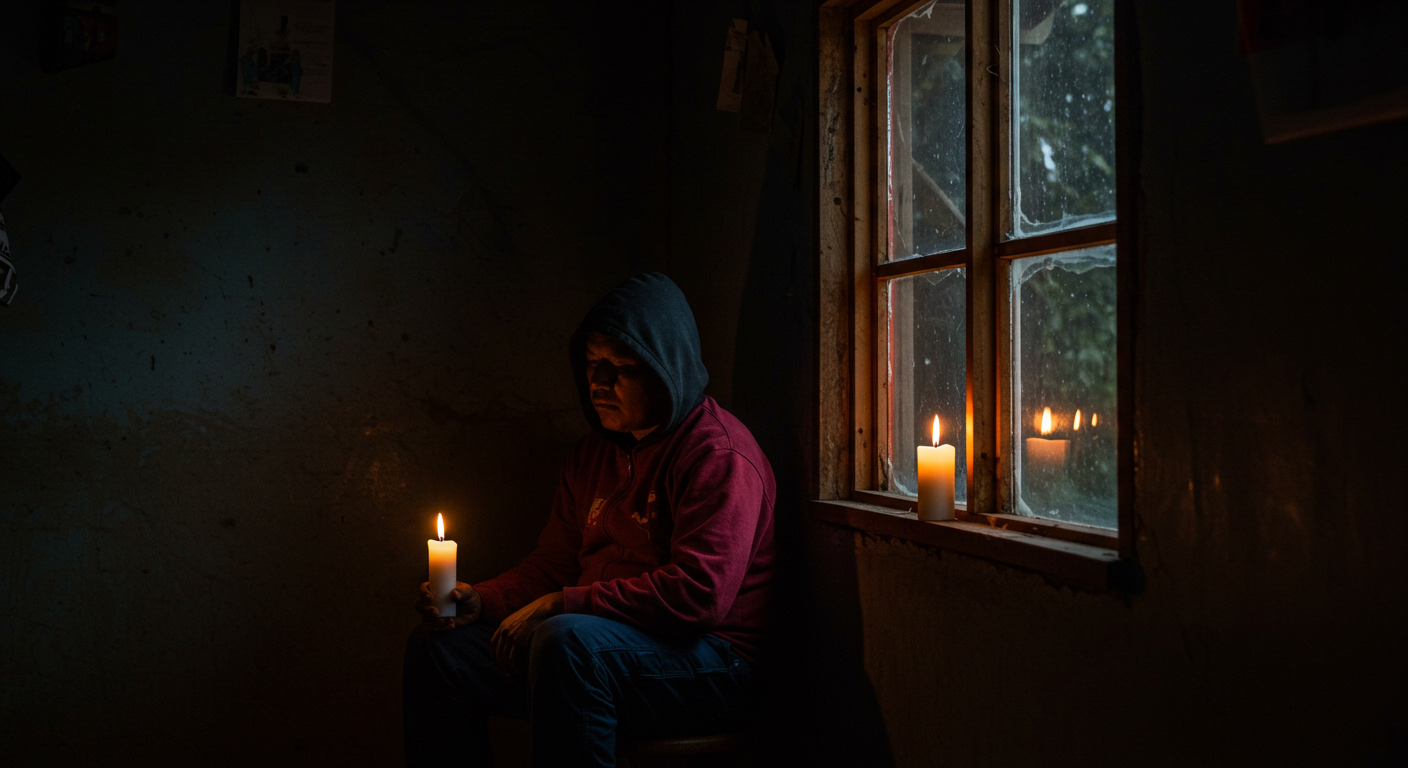
Ecuador Heads Into October's Dry Season Short 1,440 Megawatts, and Expats Remember the Last Blackouts
A Familiar Dread as Dry Season Approaches
In the WhatsApp groups that keep Ecuador's expat communities connected, a familiar pattern has started to emerge again. Someone asks whether anyone has heard the latest on generator fuel prices. Someone else posts a photo of a fully stocked candle drawer, half joking, half not. As October approaches, longtime residents of Cuenca, Quito, and coastal towns are once again checking their emergency supplies, and the conversations feel eerily familiar.
Reports circulating in recent weeks point to an anticipated electricity shortfall of approximately 1,440 megawatts as the dry season sets in. This figure has not been independently verified here and should be treated as a reported claim pending clearer attribution to an official source. What is clear, at least anecdotally, is that the number has been enough to stir real anxiety among expats who lived through the last round of outages.
This piece is not a technical assessment of Ecuador's energy grid. It is, instead, an attempt to capture something more personal: the collective memory, apprehension, and quiet preparation happening within expat communities as another dry season begins.
Remembering the Last Blackouts
For many expats, the 2023-2024 outages remain a vivid, if unwelcome, memory. At their most severe, some reports described daily power cuts lasting 10 to 14 hours, a scale of disruption that reshaped daily routines for months.
Remote workers recall scrambling to find cafes or co-working spaces with functioning WiFi and power, only to find them just as affected. Others remember the quieter frustrations: spoiled groceries after repeated freezer failures, small businesses losing income during unpredictable closures, and a heightened unease about safety once neighborhoods went dark after sunset.
Communities adapted in ways that became almost systematized. Generators became a common household fixture in some areas. Battery banks and solar chargers were shared, borrowed, and compared like currency. Informal scheduling apps and shared spreadsheets attempted to track outage rotations, even when official schedules seemed to shift without warning. For many, those months became a crash course in resourcefulness and community reliance.
Why Ecuador's Grid Is Vulnerable
Ecuador's electricity system relies heavily on hydroelectric power, with facilities such as Coca Codo Sinclair and the Paute-Mazar complex frequently mentioned in public discussion as central to the national supply. It's worth being cautious here: while hydroelectric dependence is a broadly understood feature of the country's energy mix, specific causal claims about reservoir levels, maintenance schedules, or operational shortfalls at any given facility are not something this article can independently confirm.
What does seem to be a recurring pattern, based on community memory and general awareness, is that dry-season deficits are not entirely new. They appear to reflect a structural vulnerability tied to seasonal rainfall variation rather than a single isolated incident. Factors like El Niño conditions, reservoir management, and infrastructure maintenance are commonly cited in public conversation as contributors, though this article does not independently verify those specific mechanisms.
For expats, the technical "why" often matters less than the practical "what now"—which is where community preparation tends to focus.
How Expats Are Preparing This Time
Across expat forums and local chat groups, a familiar checklist seems to be resurfacing. Backup power sources, from small generators to portable battery stations, are reportedly being dusted off or purchased anew. Surge protectors are being recommended for anyone with sensitive electronics, a lesson some learned the hard way during previous outage cycles.
Pantries are quietly being restocked with shelf-stable food, and some households are reportedly adjusting daily routines in anticipation of power cuts, shifting work hours, meal prep, or errands around anticipated outage windows.
Community information-sharing continues to function as an informal early-warning system. Facebook groups and WhatsApp chains, populated by both expats and longtime local residents, tend to fill in gaps when official communication feels slow or unclear. Whether or not the 1,440 MW figure proves accurate, the information networks built during past outages appear to be reactivating.
The emotional tone in these conversations is mixed. There's a current of dark humor, jokes about "candlelight dinners" and rediscovering board games, alongside genuine, unresolved anxiety among those who remember just how disruptive the last extended outages were.
Living With Uncertainty
For many expats, adapting to Ecuador's infrastructure unpredictability has become part of the broader experience of living here, one more variable to plan around alongside altitude, weather, or bureaucracy. It does not make the uncertainty easier, but it does seem to foster a particular kind of resilience within these communities.
The reported 1,440 megawatt shortfall remains, at this point, an unconfirmed figure, and readers are encouraged to check current local advisories, utility announcements, and community updates as the dry season progresses rather than relying on this article for real-time accuracy.
What seems most consistent, based on community memory and shared experience, is not panic but a kind of practiced calm. Expats who've weathered previous outage seasons tend to talk less about disaster and more about preparation, patience, and the strange camaraderie that emerges when a neighborhood shares candles, stories, and the occasional generator hum.