Discovery in the Mist: What a Rumored Orchid Find in Ecuador's Dracula Reserve Means for Those Who Call This Country Home
Discovery in the Mist: What a Rumored Orchid Find in Ecuador's Dracula Reserve Means for Those Who Call This Country Home
A Discovery Deep in Ecuador's Cloud Forest
Tucked into the western slopes of the Andes, Ecuador's Dracula Reserve is one of those places that seems to exist outside of time. Named for the Dracula orchid genus that thrives in its perpetually misted elevations, the reserve is considered one of the country's most important biodiversity hotspots. The terrain is remote and often difficult to access, which is part of what has kept it so ecologically intact.
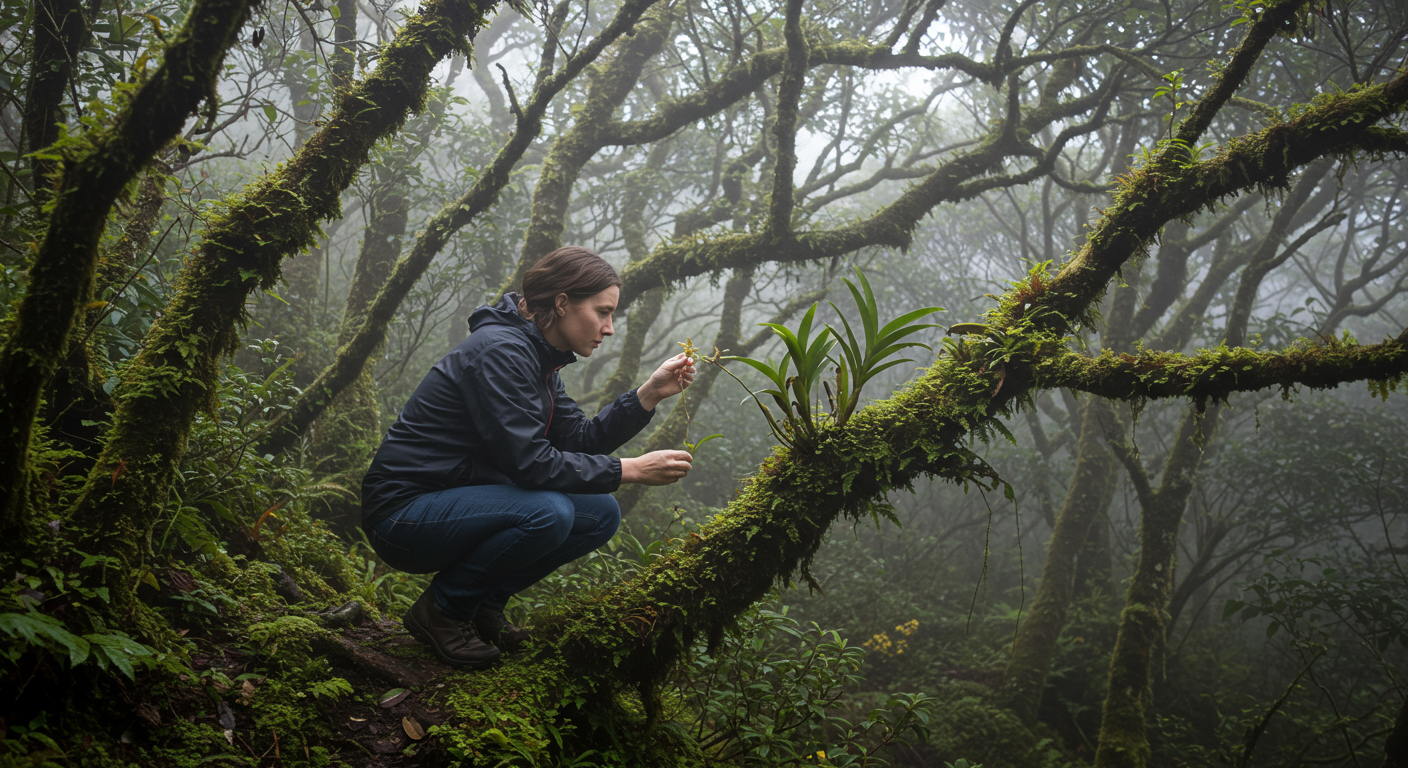
Word has begun circulating that a critically endangered orchid species has reportedly been found somewhere within this cloud forest sanctuary. The specific details of the find remain unconfirmed, but the story itself has captured the attention of many who follow Ecuador's natural world closely, including the expats who have made this country their home.
Why the Dracula Reserve Feels Like Another World
Those who have visited the Dracula Reserve often describe it in almost otherworldly terms. Mist clings to moss-draped trees, orchids cling to bark in seemingly impossible places, and the light filters through in a way that feels distinctly different from anywhere else. It is easy to understand why expats seeking a deeper immersion in nature, far removed from urban routines, are drawn to landscapes like this one.
The reserve's namesake genus, Dracula orchids, are known for their eerie, almost primate-like blooms, with dark markings that resemble small faces peering out from the undergrowth. It is a fitting symbol for a place that so often surprises newcomers with its strangeness and beauty in equal measure.
For many, the emotional and sensory pull of such landscapes is part of what makes life in Ecuador feel different from life elsewhere. There is a sense of discovery baked into daily existence here, whether or not any particular scientific finding is ever fully verified.
The Expat Connection to Conservation Stories
It is not uncommon for expats living in Ecuador to find themselves drawn into local conservation narratives, even if they arrived with no particular background in biology or environmental science. Stories like this rumored orchid discovery reinforce a broader sense of place and purpose for those who have chosen to relocate to a country known for its ecological richness.
Within expat communities, interest in Ecuador's biodiversity often becomes part of the adjustment and discovery process itself. Conversations about cloud forests, endemic species, and conservation efforts are common at social gatherings and online forums alike.
That said, it is worth noting that the specific scientific details of this particular find, including the exact species involved and the researchers behind it, remain unverified. Any claims should be treated with appropriate caution until more concrete information becomes available.
What This Means for Those Who Call Ecuador Home
Whether or not the details of this specific discovery are ever fully confirmed, stories like this tend to deepen an expat's appreciation for their adopted country. The Dracula Reserve's ongoing role in conservation efforts and its growing appeal as an eco-tourism destination only add to that sense of connection.
Many longtime residents encourage newcomers to see findings like this as part of the everyday wonder of expat life in biodiverse regions like Ecuador. There is something grounding about living in a place where new discoveries, confirmed or not, still feel entirely plausible.
As the mist continues to settle over the Dracula Reserve each morning, there remains a quiet reminder that Ecuador's forests likely still hold secrets yet to be uncovered, a thought that keeps curiosity and exploration alive for those who call this country home.