Cuenca’s June Solstice Offers a Quiet Contrast Between Pumapungo and Cajas
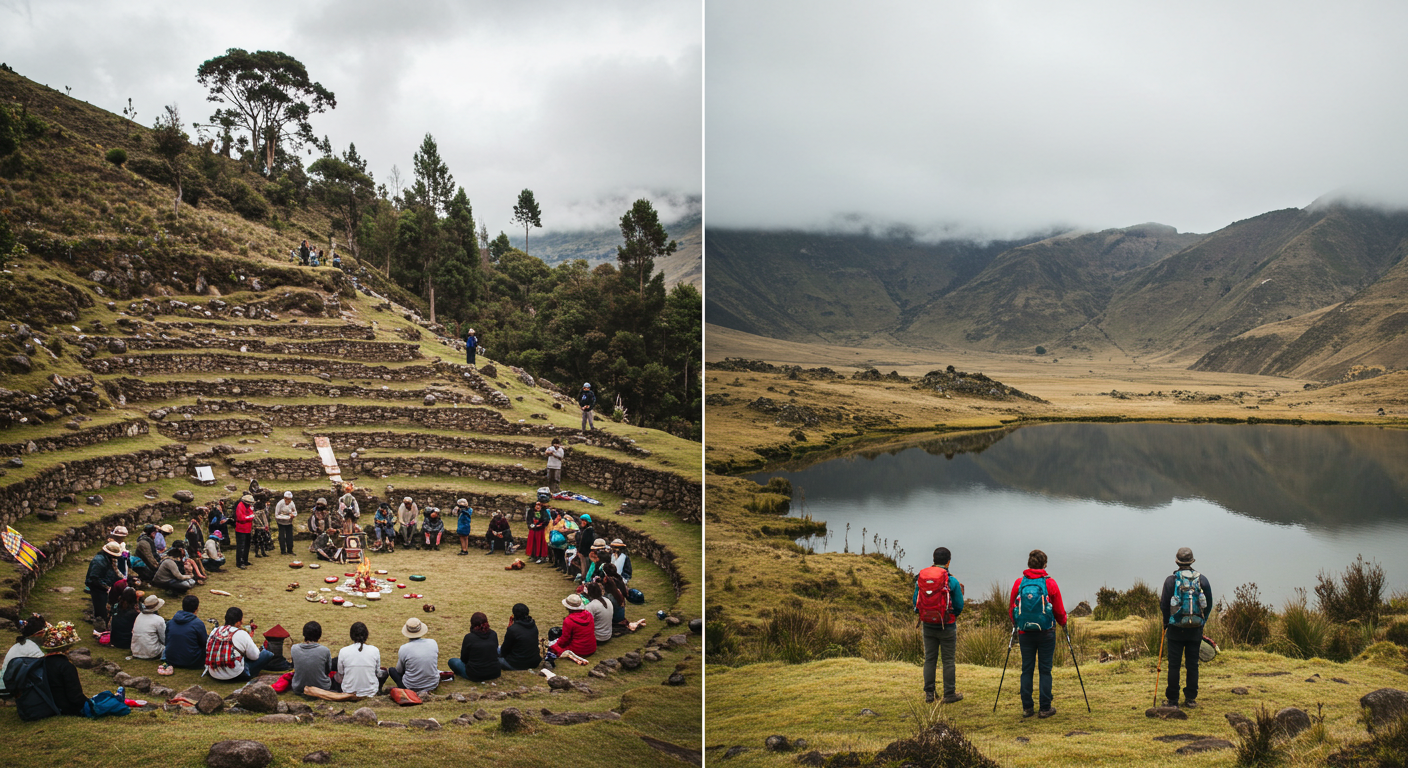
Some mornings in Cuenca seem to invite attention more than explanation, and the June solstice is one of them. The idea of starting with a public ceremony at Pumapungo and then heading out before sunrise toward a lagoon in Cajas has an emotional pull even before all the details are clear. It offers a contrast that feels distinctly local: city and mountain, gathering and silence, shared observance and private reflection.
For many expats, that pairing can feel especially meaningful. A free ceremony in a familiar civic setting may be an accessible way to mark a seasonal moment without stepping immediately into something more remote or intimate than they fully understand. The shift to a dawn hike in the highlands changes the mood completely, replacing stone paths and conversation with darkness, cold air, altitude, and the slow arrival of light.
Pumapungo as the public-facing entry point
Pumapungo often feels like a place where Cuenca gathers around history, identity, and landscape all at once. In that sense, it makes intuitive sense as an entry point for a solstice observance, especially if the event is intended to be open and welcoming. For newcomers, longtime residents, and visiting expats, a free public ceremony can lower the barrier to participation and make the experience feel less like a performance to watch and more like a shared civic moment.
Without verified cultural reporting, though, it is best not to overstate the ceremonial meaning of what may take place there. What can be said with confidence is that places like Pumapungo carry a weight that encourages people to slow down, look more carefully, and notice how Cuenca connects the present with older rhythms of season and place.
The shift from museum grounds to mountain stillness
If Pumapungo represents the public face of the morning, the move toward Cajas suggests its inward turn. Leaving the city before dawn and heading toward a lagoon in the high-altitude park changes the experience from observance to encounter. The sensory shift is part of the draw: the sharp cold, the thin air, the hush over the páramo, and the feeling that sunrise has to be earned through movement and patience.
For expats, that transition can be memorable precisely because it resists easy narration. It is one thing to attend a gathering in town. It is another to stand in the dark at elevation, listening more than speaking, aware that the landscape may matter deeply to others in ways a visitor cannot fully interpret. That is often where the morning becomes most powerful.
At the same time, the practical side should not be ignored. Any route, difficulty level, transportation plan, and access arrangement for a dawn hike should be confirmed before anyone commits to going. Conditions in Cajas can change quickly, and what sounds poetic in conversation still requires preparation, warm clothing, reliable transport, and realistic expectations about altitude and fitness.
How expats may experience the morning differently
Many foreigners in Cuenca are drawn to moments like the solstice because they offer a path toward connection that is not built around restaurants, real estate, or routine social circles. But that curiosity often comes with a second feeling: caution. How do you participate respectfully in something that may carry cultural or spiritual meaning you only partly understand?
That tension is not really a problem to solve so much as a posture to accept. The most grounded expat response may be to arrive with reverence, ask fewer questions in the moment, and resist turning a sacred or symbolic setting into a backdrop for spectacle. In practice, that can mean following local guidance, taking cues from organizers or participants, and letting the morning be shaped by attention rather than by the need to decode everything.
Handling sacred language carefully
References to sacred lagoons, ancestral traditions, or solstice meaning deserve care. Without direct sourcing or reporting from organizers, community voices, or cultural authorities, it would be unwise to make definitive claims about ritual purpose or spiritual interpretation. What can still be honored, even with limited information, is the possibility that these places and moments carry significance beyond what a casual visitor sees at first encounter.
That approach does not make the experience less meaningful. If anything, it makes it more honest. A respectful observer can describe atmosphere, contrast, and feeling without pretending to speak for traditions that have not been fully explained to them.
What to confirm before making plans
Anyone interested in going should verify the basics before setting out: the exact start time, meeting point, whether the ceremony is truly free and open to the public, whether registration is required, who is organizing the morning, and how transportation to any Cajas trailhead or lagoon access point would work. It is also important to confirm expected weather exposure, fitness demands, and any etiquette or permissions tied to visiting a site described as sacred or environmentally sensitive.
Even with those unknowns, the appeal of the solstice pairing is easy to understand. In a single morning, it promises a passage from Cuenca’s cultural heart to one of its most arresting landscapes. For expats, that may be the real invitation: not to master the meaning of the day, but to meet it with humility, preparation, and enough stillness to let the place speak first.