Cold Hands and Moving Lights: The Ghost Stories Guests Still Report Inside Cuenca's Mansión de las Cruces
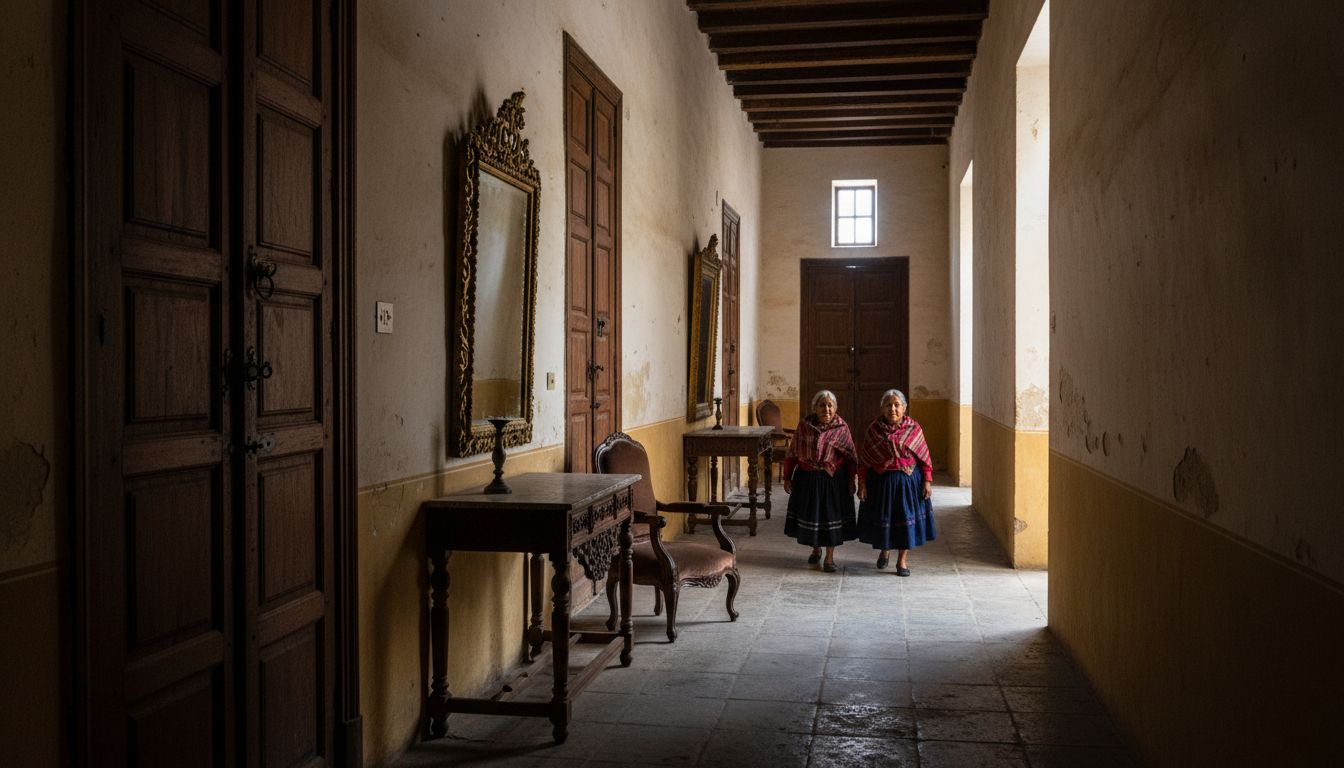
Cold Hands and Moving Lights: The Ghost Stories Guests Still Report Inside Cuenca's Mansión de las Cruces
Among the colonial-era properties scattered through Cuenca's historic center, Mansión de las Cruces has earned a particular kind of reputation. Expats and travelers who have stayed there or passed through often mention it in the same breath as the city's older, atmospheric buildings—not because of any single documented event, but because of a steady accumulation of guest stories about the place feeling unusually alive at night.
It's worth being upfront about what this piece is and isn't. This is not investigative reporting, and no documented sources confirm specific incidents at the mansion. What follows is an exploration of guest anecdotes and local legend as they circulate within Cuenca's expat and traveler communities—stories passed along in conversation, in passing remarks at dinner, in the kind of secondhand accounts that accumulate around old buildings everywhere. Readers should treat this as storytelling rooted in oral tradition, not as verified history.
The Recurring Reports: Cold Spots and Moving Lights
When guests describe unusual experiences at the mansion, certain details come up again and again. Many mention sudden temperature drops in specific rooms or hallways—a chill that arrives without an obvious source and passes as quickly as it came. Others describe lights that seem to flicker, dim, or shift in ways that don't quite match faulty wiring or ordinary electrical quirks.
These reports tend to circulate without firm names, dates, or specifics attached. For some travelers, the unease centers on certain rooms or corridors, described more as a feeling than an incident. It's difficult to trace any single account to its origin, and that's part of the nature of this kind of storytelling: it moves through word of mouth, gets retold at gatherings, and takes on a life somewhat separate from any one guest's original experience. Many observers note that this pattern—vague but persistent—is fairly typical of ghost lore attached to old buildings generally, rather than something unique to this property.
Why Old Cuenca Mansions Attract These Stories
Cuenca's historic core is full of colonial-era buildings, and a fair number of them carry some version of a ghost story. There's a broader pattern here worth noting: houses with thick adobe walls, dim interior courtyards, and centuries of use as private residences, convents, or family estates seem to invite this kind of narrative almost by default.
Part of this likely comes from the architecture itself. High ceilings, narrow staircases, and rooms repurposed many times over generations create physical spaces that feel layered with history, whether or not anything specific happened in them. Cuenca's deep Catholic heritage and colonial past add another dimension, since much of the city's older architecture was built during periods when religious life, family lineage, and death were closely intertwined in daily domestic space. It's not hard to see how that context feeds into stories about lingering presences.
For expats settling into Cuenca, encountering these legends often becomes part of adapting to the city's cultural texture. Local folklore, ghost stories included, offers a way of engaging with a place's history that feels more immediate and personal than reading a historical plaque or museum placard.
The Expat Lens: Fascination, Skepticism, and Local Color
Expats and locals don't always approach these stories the same way. For many longtime Cuenca residents, tales about old mansions being haunted are simply part of the city's cultural wallpaper—familiar, sometimes shrugged off, sometimes told with real conviction depending on the family or neighborhood. For newer expats, the same stories can carry a different charge: a sense of discovering something distinctly local, a piece of color that separates everyday life in Cuenca from wherever they came from.
It's worth holding both skepticism and genuine unease in the same frame here. Plenty of visitors who've heard about Mansión de las Cruces treat the stories as pure entertainment, the kind of tale you repeat at a dinner party without putting much stock in it. Others describe a real, if hard-to-articulate, sense of discomfort while staying there—cold hands, a feeling of being watched, lights that seem to move on their own. Neither reaction needs to invalidate the other. What both groups tend to agree on is that these stories add something to the experience of the place, whether or not anyone believes them literally.
This is arguably where the real value of the legend lies for the expat community: not in whether the mansion is "actually" haunted, but in how the story functions as a shared reference point, a piece of local color woven into the broader experience of living in or visiting Cuenca.
Legend, Not Verified History
To be clear one more time: no sourced facts about the property's specific history, ownership, or any documented incidents were available for this piece. Nothing here should be read as confirmed reporting about actual events at Mansión de las Cruces.
What this article offers instead is folklore- and anecdote-driven storytelling that fits within the broader tradition of expat narratives about place, culture, and the small mysteries that come with settling into a new city. Cuenca has no shortage of old buildings with reputations, and Mansión de las Cruces is simply one guests keep talking about. Readers are invited to enjoy it in that spirit—as atmosphere and local legend, not as a verified account of anything supernatural or otherwise.