Chased by Pirates in 1681: The Legend of the Consolación and Santa Clara Island's Ghostly Name
Chased by Pirates in 1681: The Legend of the Consolación and Santa Clara Island's Ghostly Name
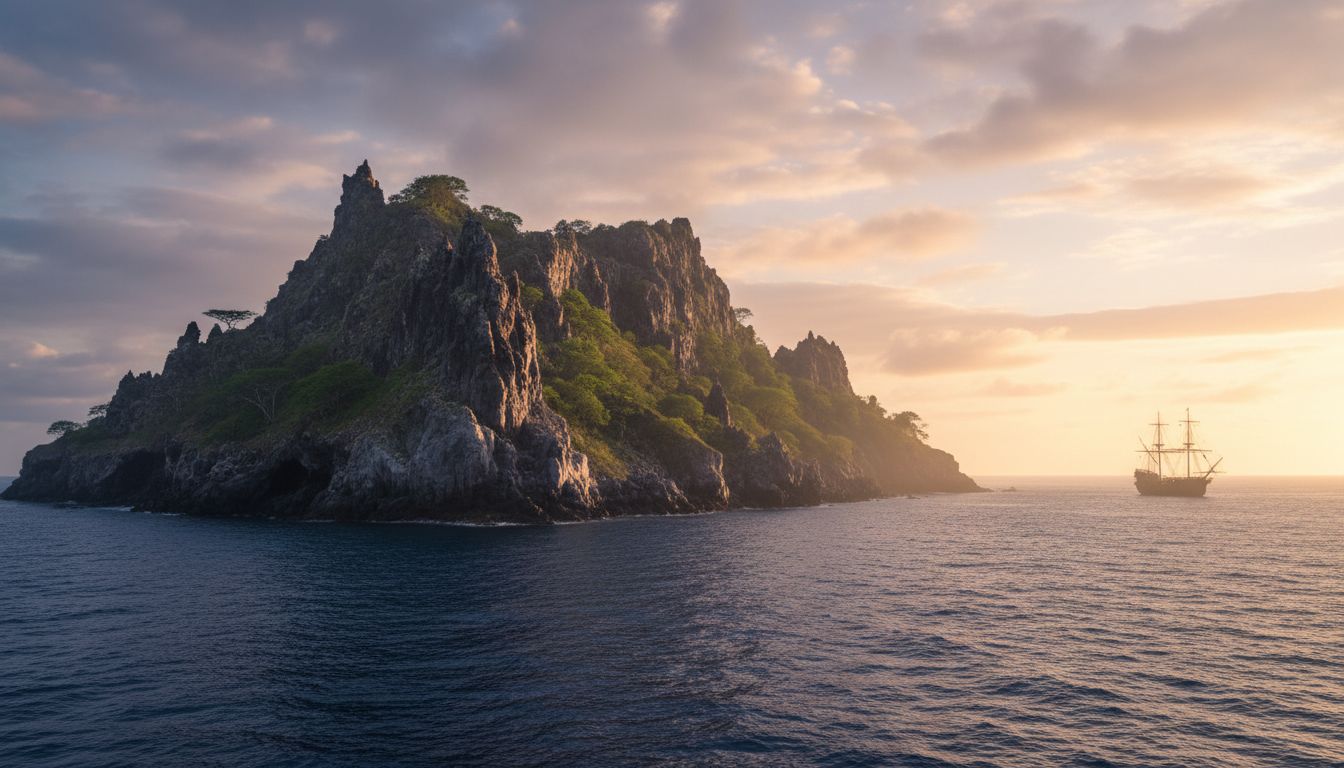
Off the coast of Ecuador sits a small island with a name that stops visitors in their tracks: El Muerto, or 'The Dead Man.' Formally known as Santa Clara Island, this uninhabited outcrop earned its eerie nickname from its silhouette, which, when viewed from certain angles at sea, resembles a reclining human figure. It's a fitting backdrop for one of the region's most enduring maritime tales.
Santa Clara Island carries more than a striking shape—it carries a story. Local lore ties the island to the Consolación, a Spanish galleon said to have met a fiery end nearby in 1681. As with much of coastal Ecuador's oral tradition, the details of this account blend history and legend in ways that are difficult to untangle, and the specifics have not been independently verified through available historical records.
The Tale of the Consolación
According to local legend, the Consolación was a Spanish treasure galleon operating along the Pacific coast in the late 17th century. The story holds that in 1681, the ship found itself pursued by pirates—a plausible scenario given the era, when Spanish treasure fleets were frequent targets for privateers and buccaneers operating throughout the Caribbean and eastern Pacific.
As the narrative goes, rather than allow the galleon and its cargo to fall into pirate hands, the crew made the dramatic decision to burn the ship near Santa Clara Island. This act of self-destruction, the legend claims, prevented the treasure from being seized, even as it sealed the vessel's fate at the bottom of the sea.
It's worth emphasizing that this is the shape the story takes as it's told today—a compelling narrative passed through generations, but one without corroborating documentation confirming the ship's name, its exact cargo, or the precise circumstances of its destruction. Those researching Ecuadorian maritime history often note how rarely such tales connect to formal shipwreck registries or colonial-era archives, which makes verification a genuine challenge.
Why the Island Is Called 'El Muerto'
The connection between the island's ominous nickname and the Consolación's reported fate is part of what makes this legend so compelling—and so difficult to pin down. Santa Clara Island's 'El Muerto' name is most commonly explained by its physical appearance: from certain vantage points at sea, the island's contours suggest a body lying prone, as if in eternal rest.
Whether this nickname predates the stories of the Consolación or became intertwined with them over time is unclear. Coastal communities often attach dramatic historical or legendary events to distinctive natural landmarks, creating a feedback loop in which the landscape reinforces the story and the story reinforces the landscape's mystique. It's possible that the island's death-adjacent name made it a natural setting for a tale of fiery shipwreck and lost treasure, regardless of whether the Consolación's story originated independently or was later layered onto the island's existing folklore.
Separating History from Myth
A careful look at available historical and maritime records reveals a gap: there is no independently verified documentation confirming the Consolación's existence, its 1681 voyage, or the specific details of its destruction near Santa Clara Island. This doesn't necessarily mean the events didn't happen—Spanish colonial shipping records from this period are notoriously incomplete, and many vessels lost in remote waters went unrecorded or were documented only in fragmentary regional accounts.
What can be said with more confidence is that coastal Ecuador's folklore frequently merges genuine maritime history—real patterns of piracy, real treasure routes, real shipwrecks—with embellished or locally invented storytelling. This blending isn't unique to Ecuador; it's a pattern found in maritime cultures worldwide, where dramatic tales fill gaps left by incomplete historical records.
Expats and travelers exploring Ecuador's coastline today often encounter these stories through local guides, fishermen, and community elders rather than textbooks or archives. These oral histories carry their own value, even when they resist formal verification, offering insight into how coastal communities understand and narrate their relationship with the sea.
Why These Stories Still Matter
Shipwreck legends like that of the Consolación do more than entertain—they shape local identity and contribute to the cultural tourism that draws visitors to places like Santa Clara Island. For many expats settling in or exploring coastal Ecuador, these tales offer an accessible entry point into the region's layered maritime past, even when the specific facts remain elusive.
The fascination with lost treasure galleons and pirate pursuits reflects a broader expat and traveler interest in Latin America's colonial-era maritime history, where tales of fortune, danger, and the open sea continue to capture imaginations centuries later. Whether or not the Consolación sailed exactly as described, the legend endures as a piece of cultural heritage worth encountering.
Those curious to see the setting of this story firsthand might consider a visit to Santa Clara Island, where the island's haunting profile and the whisper of old maritime tales offer a memorable glimpse into Ecuador's storied relationship with the sea.