A Wrong Turn That Led to the Best View
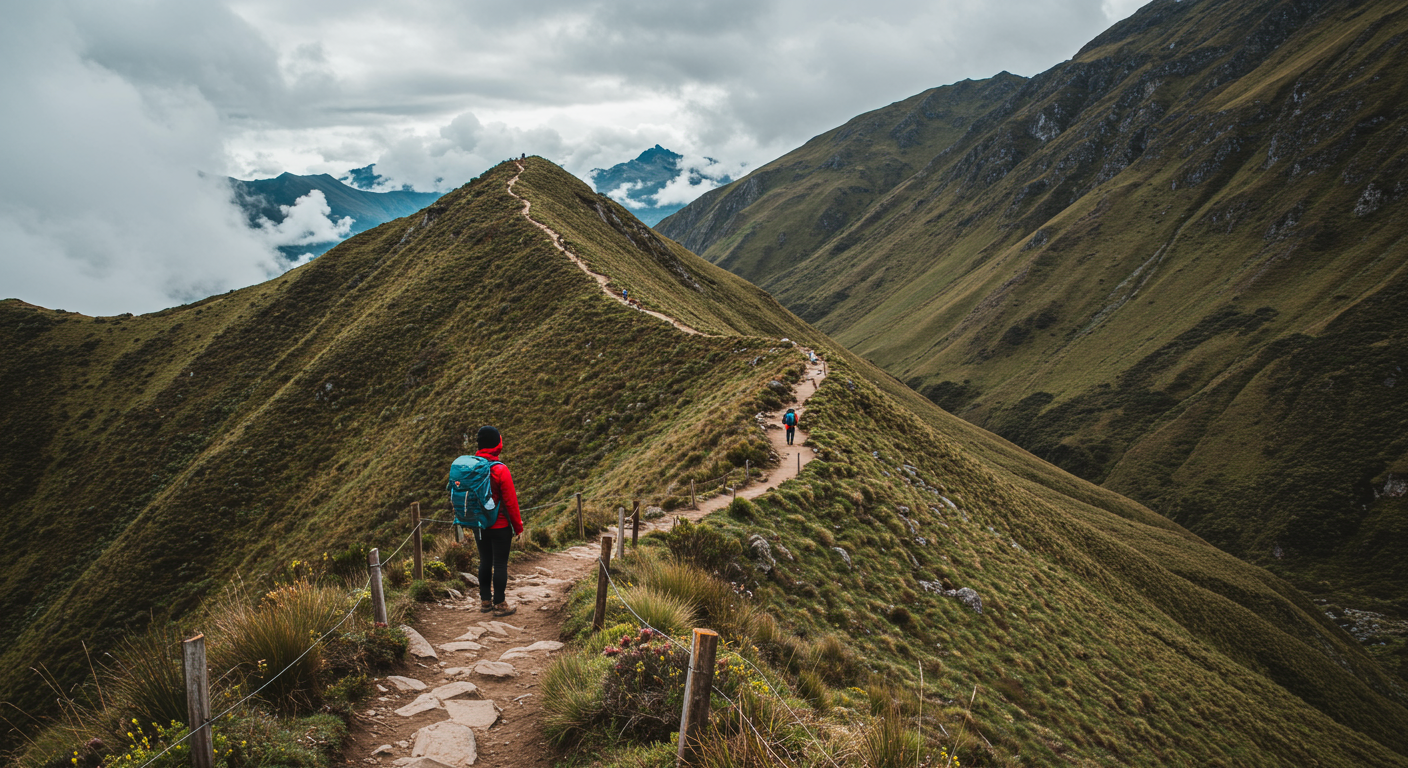
I set out that afternoon with a simple plan. I was headed somewhere I had already decided was worth seeing, following a route familiar enough to require very little thought. The sky was still bright but beginning to soften at the edges, the kind of late-day light that makes even routine errands feel slightly cinematic. I was in a practical mood, not an adventurous one. I wanted to get there, enjoy the walk, and return home before evening settled in.
Living abroad had already taught me that even the most ordinary plans can bend without warning. A bus takes a different street. A landmark you rely on turns out to be two blocks from where you remembered it. A phrase you thought you understood sends you in exactly the wrong direction. I had learned to expect minor surprises. I had not expected one small mistake to hand me a memory I would replay for years.
Setting Out With a Plan
The route felt almost too ordinary to notice. I was moving with the quiet confidence that comes from partial familiarity, that dangerous middle ground where you know enough to relax but not enough to avoid mistakes. The street noise faded and returned in waves. A dog barked behind a gate. Somewhere farther down the block, music drifted from an open window. I remember thinking more about my destination than the road itself, which is usually how wrong turns happen.
There was nothing dramatic about the beginning. No storm, no dead phone battery, no sudden emergency. Just an everyday outing and the mild satisfaction of feeling settled in a place that once felt impossible to navigate. In hindsight, that was probably part of the setup. I was paying attention, but not closely enough.
The Turn I Wasn’t Supposed to Take
The mistake happened in an instant. I reached an intersection where I should have continued straight, but something about the angle of the road, combined with my confidence that I recognized it, pulled me to the right. It may have been a faded sign I read too quickly. It may have been my brain deciding that one hillside street looked much like another. Whatever the reason, I committed before doubt had time to catch up.
A minute later, the street began to feel wrong. The shops I expected were gone. The sidewalk narrowed. The road tilted upward more sharply than I remembered, and the houses became quieter and more spaced apart, their walls catching the last warm light. I slowed down and looked around with the universal expression of a person pretending not to be lost.
Annoyance came first. Then came the familiar internal negotiation: keep going and hope it reconnects, or turn around and admit you have no idea where you are. I chose the option that most often leads to a story and occasionally to a problem. I kept going.
Between Frustration and Curiosity
That stretch in between was the real turning point, not the mistaken turn itself. The road climbed steadily, rougher in places, and the sounds of the city began to thin out behind me. Car engines became distant. Voices disappeared. The air felt cooler as the breeze moved more openly across the slope. Gravel shifted underfoot near the edge of the road, and dry grass whispered against stone.
I still wasn’t sure whether I was rescuing the situation or making it worse. Every few steps I expected to find some obvious sign that I had gone too far. Instead, the neighborhood kept unfolding in a way that felt both unfamiliar and inviting. The light changed as I climbed. What had been bright afternoon below was becoming gold up on the hill, softer and more deliberate, as if the city were being redrawn in slower strokes.
That was when frustration started giving way to curiosity. Lost is one feeling. Lost in good light is another. I stopped checking my sense of direction so aggressively and started looking around. The walls were painted in sun-faded colors. A distant church tower rose above the rooftops. Beyond that, the valley opened little by little, though not yet enough to reveal what was coming.
Finding the View
Then the road bent, the buildings fell away, and the whole scene opened at once.
I stopped so suddenly it felt like the landscape itself had pulled me to a halt. Below me, the city spread out in layered detail: red and gray roofs stacked along the valley, church domes and towers punctuating the skyline, ribbons of streets catching the last light. The mountains stood beyond everything like quiet witnesses, their outlines deepening into blue as the sun dropped lower. A thin haze softened the far edges of the view, but nearby every shape seemed sharpened by the hour.
The sky was doing half the work. Bands of pale gold faded into peach and then into a cooler blue overhead. Shadows pooled in the lower parts of the city while the upper walls and rooftops still glowed. It wasn’t just beautiful in the generic way scenic places often are. It felt balanced, almost composed, as if I had accidentally walked into the exact place where the city made sense all at once.
I had set out expecting a destination I already understood. Instead, I found a perspective I didn’t know I needed. That contrast is what made it unforgettable. I had been aiming for something known, manageable, and mildly pleasant. What I got was a view that made me feel very small, very lucky, and unexpectedly calm.
I stayed there longer than I planned, long enough to stop feeling like someone who had made a navigational error and start feeling like someone who had been let in on a secret.
Why That Moment Stayed With Me
What stayed with me was not only the view itself, but the way I arrived at it: annoyed, uncertain, slightly defensive, and then completely disarmed. That emotional sequence felt familiar in a way that had nothing to do with roads. It felt like life abroad.
So much of the expat experience follows that pattern. You move toward something with a plan. Then the language slips, the directions blur, the old instincts fail, and for a while all you can feel is your own disorientation. But if you stay open, if you keep going just a little longer without forcing everything back into the shape you expected, something surprising sometimes appears. Not always. But often enough to matter.
That wrong turn gave me more than scenery. It reminded me that not knowing where I was did not necessarily mean I was headed somewhere bad. It reminded me that uncertainty can carry its own invitation. In a life built partly on adaptation, that mattered.
Even now, I remember the feeling of standing there above the city, the breeze cooling the last heat of the day, the rooftops below turning dim one row at a time. I remember how quickly irritation dissolved into gratitude. And I remember thinking that maybe belonging in a place is not just about learning the correct routes. Maybe it is also about trusting that, now and then, the wrong one will show you more.