A Whistle Heard Again: The 1901 Locomotive's Homecoming to Cuenca
A Whistle Heard Again: The 1901 Locomotive's Homecoming to Cuenca
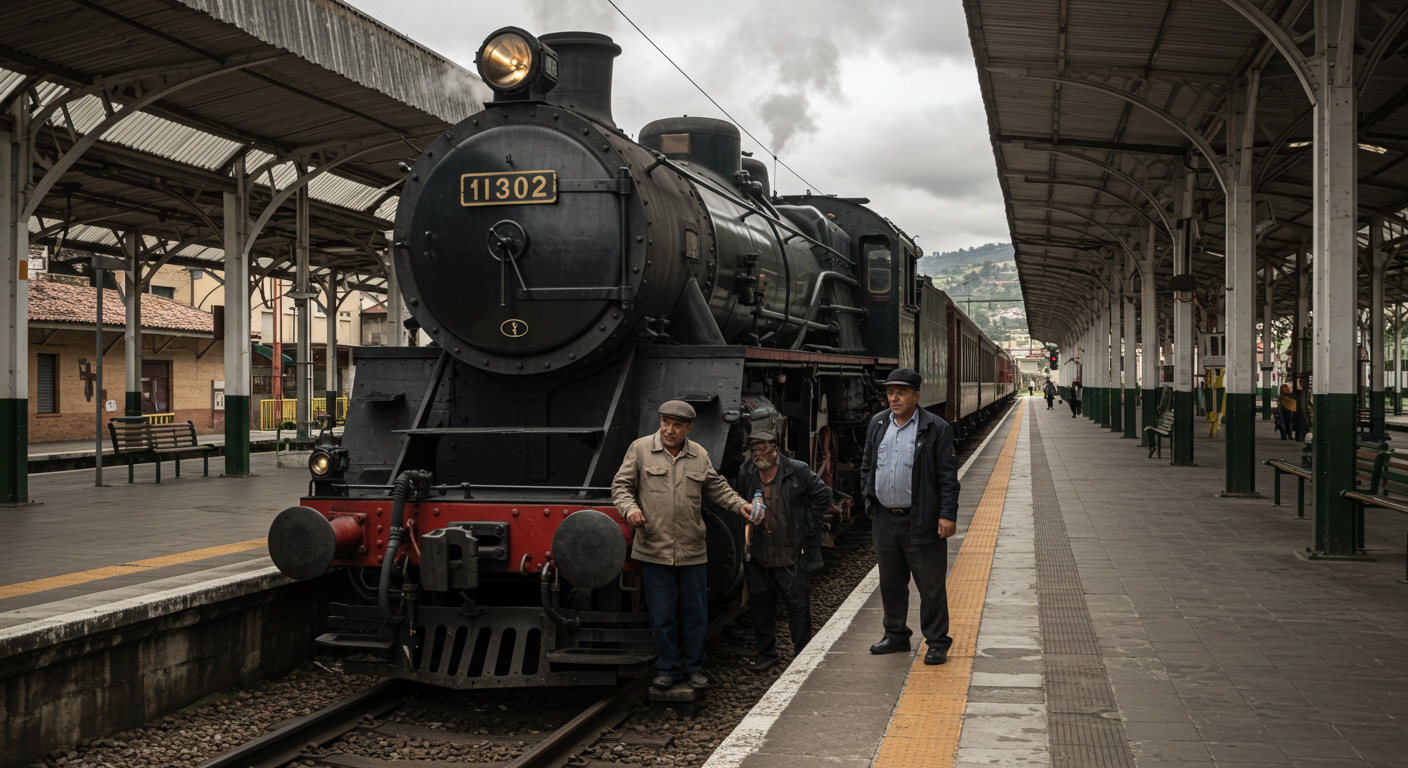
There is something unmistakable about the sound of a steam whistle cutting through a mountain valley. Many who gathered recently in Cuenca to watch a century-old locomotive roll back into the city describe that first blast of steam as the moment the story became real. Smoke curled above the rail line, children climbed onto fences for a better view, and older residents stood a little longer than everyone else, watching in silence.
The locomotive was built in 1901, and its return after more than twenty-two years away carries a symbolic weight that goes beyond mechanics and schedules. For a community with deep ties to its railway past, the reappearance of a machine this old is not just a transportation story. It is, as many observers note, a story about memory, continuity, and what it means for something long absent to come home.
The Locomotive's Long Absence
The exact circumstances of the locomotive's departure from Cuenca more than two decades ago remain somewhat unclear. As local lore recalls it, engines like this one were often moved elsewhere for restoration, repurposing, or storage as railway operations across the region shifted over the years. Whether this particular locomotive left for repairs, changing rail priorities, or another reason entirely is not something that can be confirmed with certainty here.
What can be said is that its absence was long enough to span a generation. Many who remember its earlier years in service were still working when it left; some have since retired, and others have passed on. That gap of time is central to why its return feels significant to so many in the community, even where the precise historical record remains fuzzy or undocumented in accessible sources.
The Old Crews Return
Perhaps the most human part of this story is not the locomotive itself, but the people who once operated it. Community accounts suggest that several former engineers, conductors, and maintenance workers made a point of returning for the occasion, some traveling considerable distances to do so.
For these individuals, many now well into retirement, the reunion appears to carry a particular emotional charge. A recurring theme in local reflections is one of quiet pride: hands that once operated the controls or maintained the engine returning to stand beside it again, if only for a day. Some accounts describe former crew members touching the locomotive's frame the way one might greet an old friend, a gesture that speaks to years of shared labor and identity built around the rails.
This dimension of the story resonates strongly with themes familiar to expat and diaspora communities: the experience of leaving, of years passing in another place, and the complicated, often powerful feeling of returning to something that shaped who you are. Whether it is a person or a machine that comes home, the emotional architecture of return, longing, adjustment, and reconnection looks remarkably similar.
Cuenca's Relationship with Its Railway Heritage
Cuenca's connection to its railway history runs deep, reflecting a broader Ecuadorian relationship with rail lines that once linked highland communities to the coast and to each other. Trains in this region have long carried more than cargo and passengers; they have carried a sense of connection between towns that might otherwise feel isolated by mountainous terrain.
The return of a locomotive like this one taps into ongoing conversations about heritage preservation across Ecuador, where historic rail infrastructure has increasingly become a focus for cultural tourism and civic pride. Many communities have worked to restore old rail corridors and locomotives as a way of honoring that history while also creating renewed opportunities for visitors and locals alike to engage with it.
Without overstating specifics that remain unconfirmed, it is reasonable to say that Cuenca's railway heritage occupies a meaningful place in the city's identity, and a returning locomotive, regardless of the precise details of its journey, feeds directly into that broader narrative of pride and preservation.
What This Homecoming Means
At its core, this is a story about reunion, of a machine with its home, and of people with a chapter of their working lives they thought had closed. The emotional resonance is not diminished by the gaps in the historical record. If anything, the story's power lies precisely in how it reflects universal experiences of absence and return.
For those familiar with expat life, whether Ecuadorian nationals who spent years abroad or foreign residents who have made Cuenca their home, this locomotive's story offers a familiar emotional shape: distance, time, uncertainty, and finally, a homecoming that feels both ordinary and profound. Cuenca's relationship to this old steam engine and to the people who once kept it running suggests that belonging is rarely simple, but it is often worth the wait.
Looking ahead, many in the community hope this renewed presence, of both machine and memory, might spark continued interest in preserving and sharing Cuenca's railway story for future generations, keeping that whistle sound alive for years to come.