A Town That Appears on No Tourist Map
The best discoveries happen when you're not looking for them. I learned this lesson on a dusty Tuesday afternoon when my carefully planned itinerary crumbled along with my bus's transmission, leaving me stranded at a crossroads that didn't appear on any map I carried.
The Accidental Discovery
What started as a frustrating detour—a missed connection that forced me to accept a ride from a local farmer heading "somewhere in that direction"—became one of the most profound travel experiences of my expat journey. The farmer, whose Spanish was as weathered as his hands, simply smiled when I showed him my destination on my phone and pointed down a dirt road that seemed to lead nowhere.
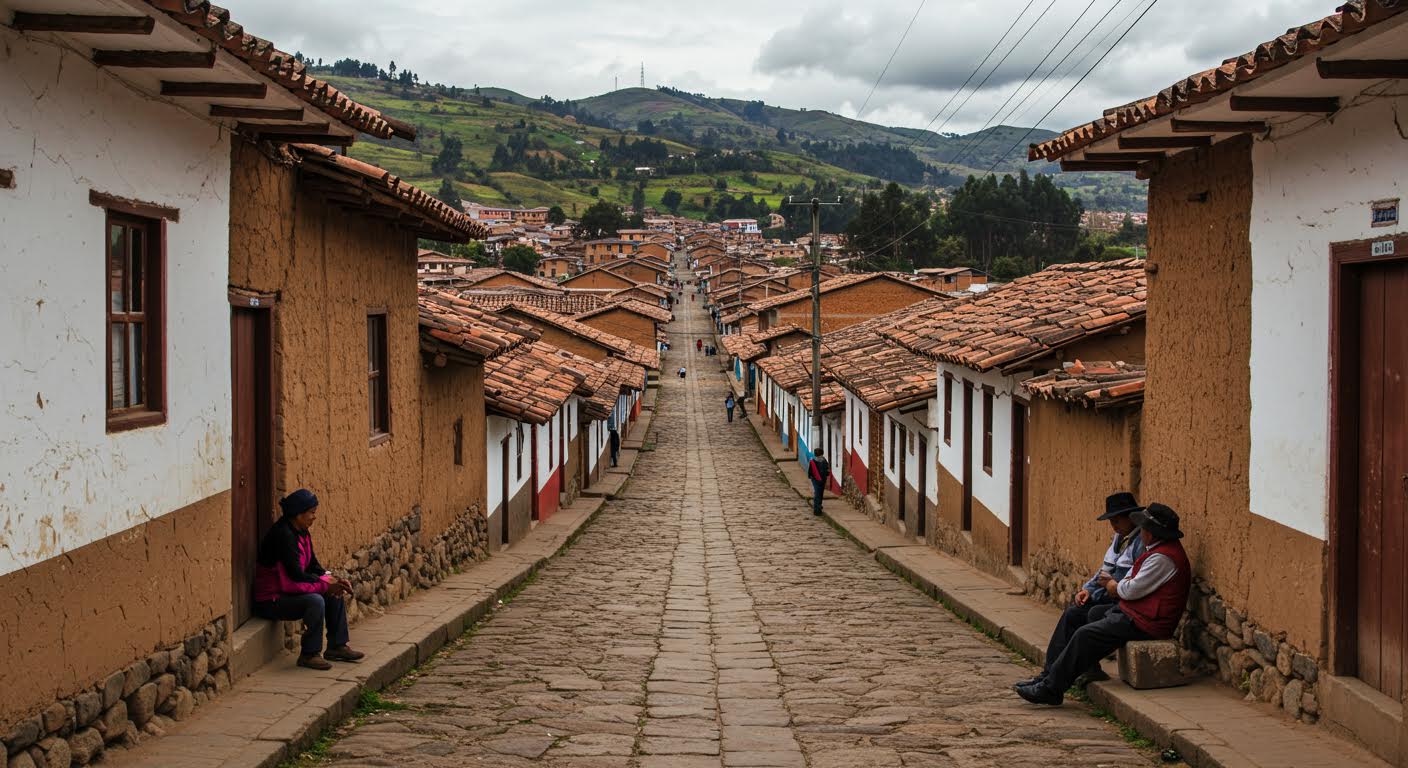
Two hours later, as the sun began its descent toward the mountains, we crested a small hill and there it was: a town that time had forgotten. No welcome sign announced its name, no tourism office promised attractions, no hotels advertised vacancy. Just a collection of adobe buildings clustered around a central plaza where old men played dominoes and children chased chickens between weathered stone fountains.
I realized immediately that this place existed in the spaces between guidebook pages—authentic, unpolished, and completely invisible to the tourist trail I had been following.
A Place Time Forgot
The town revealed itself slowly, like a story told in whispers. Narrow cobblestone streets wound between houses painted in faded yellows and blues, their wooden shutters hanging at angles that spoke of decades, perhaps centuries, of mountain winds. Laundry lines stretched between windows like colorful bridges, and the scent of wood smoke and cooking beans drifted from doorways where women ground corn on ancient metates.
There were no souvenir shops selling mass-produced trinkets, no restaurants with laminated menus in multiple languages, no tour groups following umbrella-wielding guides. Instead, I found a single cantina where the beer was served warm and the conversation flowed as freely as the mezcal. The only store was a small tienda where the owner weighed beans by the pound and wrapped purchases in yesterday's newspaper.
This was a place that existed for its residents, not its visitors—a distinction that had become rare in my years of expat wandering.
The People Who Call It Home
My arrival caused a gentle stir of curiosity rather than the practiced enthusiasm I had grown accustomed to in tourist destinations. Children peeked around corners to catch glimpses of the stranger, while their grandparents observed from doorways with expressions that mixed wariness with genuine interest.
It was María Elena, the cantina owner, who first broke through my outsider status. Over a plate of the best tamales I had ever tasted, she told me about her town—how her family had lived here for five generations, how the young people left for the cities but always returned for festivals, how the community had weathered droughts and floods and governments that changed like seasons.
"We like it that the buses don't stop here," she said with a conspiratorial smile. "It keeps us honest."
Over the three days I ended up staying, I heard similar sentiments from the baker who started work at 4 AM, the teacher who walked an hour each day to reach the school, and the mechanic who could fix anything with wire and determination. They weren't anti-tourist, exactly, but they valued their invisibility as a form of protection—a way to preserve something precious and fragile.
Lessons from the Unmarked Path
Those three unplanned days taught me more about authentic travel than months of following recommended itineraries. I learned that real discovery requires vulnerability—the willingness to abandon plans and accept invitations from strangers. I discovered that the most meaningful cultural exchanges happen not in designated tourist zones but in the ordinary spaces where people live their actual lives.
But I also grappled with uncomfortable questions about my role as an accidental intruder in this hidden world. Did I have the right to stumble into a place that had remained untouched by tourism? What responsibility came with this accidental discovery? The weight of these questions followed me through conversations with locals who had chosen invisibility as a form of self-preservation.
This experience fundamentally changed how I approached travel as an expat. Instead of researching destinations to death before arrival, I began building space for serendipity into my journeys. I learned to value the unplanned detour, the missed connection, the recommendation from a stranger—all the accidents that lead to authentic discovery.
The Departure and Lasting Impact
Leaving felt like closing a book before finishing the last chapter. María Elena packed me tamales for the road, the mechanic helped me find transportation to my original destination, and several townspeople gathered to wave goodbye—a send-off that felt both casual and ceremonial.
As the truck pulled away from the plaza, I realized I was carrying something precious: the memory of a place that existed outside the tourism economy, where hospitality wasn't transactional and culture wasn't performed for visitors. It was a reminder that in our rush to see the world's famous sights, we often miss its most authentic moments.
Years later, I've never tried to find that town again. Part of me believes it was meant to be a once-in-a-lifetime encounter—a gift that loses its magic if you try to repeat it. But its influence on my expat journey continues. It taught me to travel with empty hands and an open schedule, to value the unmarked path over the recommended route, and to understand that the best destinations are often the ones we discover by accident.
In a world where every corner seems to have been photographed and reviewed, that nameless town remains my secret—a place that exists in memory as much as geography, reminding me that there are still spaces in this world where wonder waits for those willing to get lost.