A Stroll Through Pumapungo: Cuenca's Museum and the Mystery of the Giant Bandolín
A Museum Visit Turns Into a Cultural Discovery
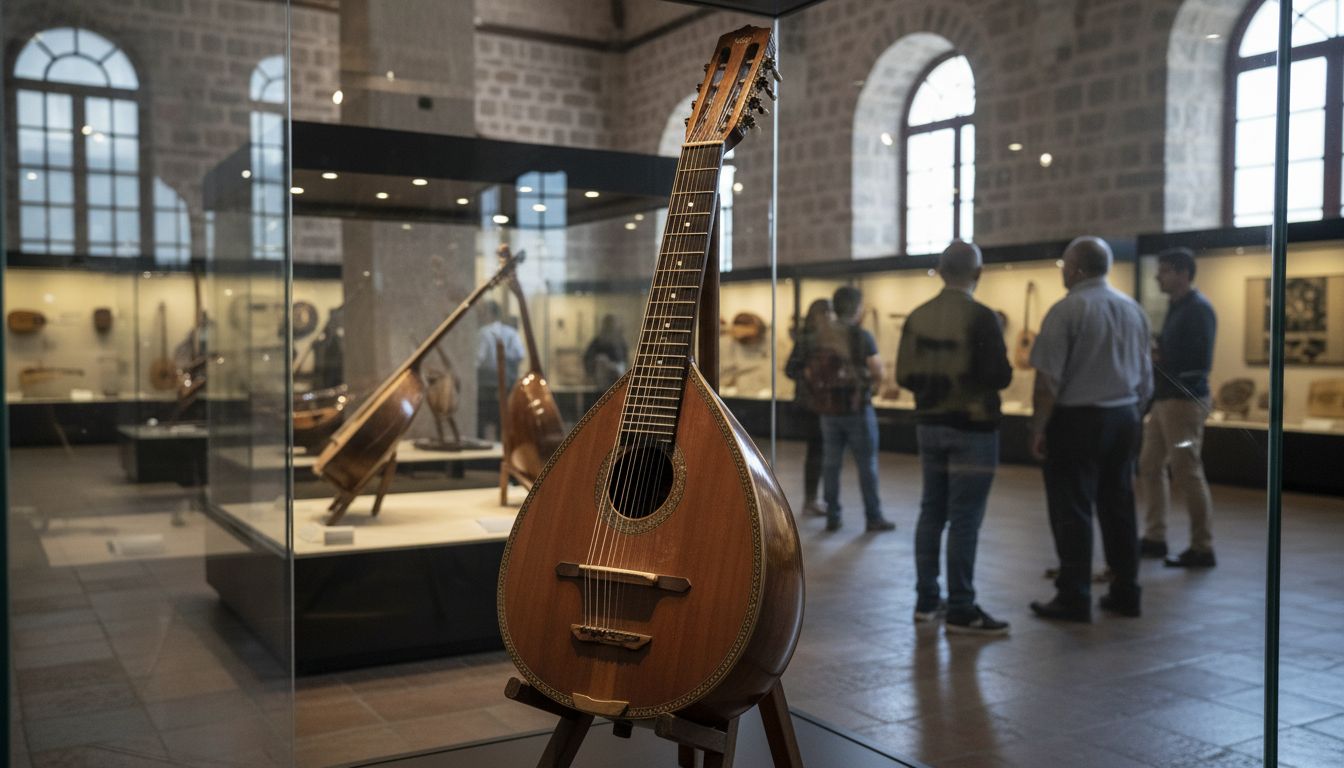
It often starts with an ordinary afternoon. An expat, or maybe a curious newcomer still learning the rhythms of Cuenca, decides to spend a few hours at the Pumapungo Museum, drawn in by its gardens and archaeological grounds. Wandering through the exhibit halls, though, is where the surprise happens: a display holding what appears to be an enormous version of a bandolín, the traditional stringed instrument familiar to many across the Andes.
Visitors often say the sheer scale of the instrument is what stops them in their tracks. It's worth noting that the specifics described here come from local reports and word of mouth, and should be treated as unconfirmed pending further verification directly from the museum.
What Is the Bandolín, Anyway?
For those unfamiliar, the bandolín is a traditional Andean stringed instrument, related in spirit to the mandolin family, long used in folk and festival music throughout Ecuador and neighboring countries. It typically features a rounded body and multiple strings, producing a bright, resonant sound associated with regional dances and celebratory gatherings.
Its presence in Ecuadorian musical tradition runs deep. Those who study Andean culture often point out that instruments like the bandolín serve as living connections to community identity, oral history, and generations of craftsmanship passed down through local luthiers.
The World's Largest Bandolín, Reportedly
According to accounts circulating locally, the instrument on display at Pumapungo may be recognized, or is at least being promoted, as the world's largest bandolín. Descriptions suggest a dramatically oversized body and neck, though the precise dimensions, materials, and craftsmanship details remain unverified at this stage.
If accurate, such a record would carry real significance for Cuenca. A record-setting cultural artifact could bolster the city's identity as a center of Andean heritage and potentially draw additional interest from cultural tourism, though this remains speculative until confirmed by the museum or an independent authority.
An Eight-Year Study: Ambition and Unanswered Questions
Word of an accompanying eight-year study has also emerged, reportedly focused on the bandolín itself. What such a study might involve is, for now, a matter of reasonable speculation: possibilities include preservation techniques, historical documentation of the instrument's origins, or broader cultural research into its role across Andean communities.
A curious visitor might naturally want to ask museum staff several questions: Who is leading the study? What institutions, if any, are collaborating? Is the eight-year timeline tied to specific research milestones? At this point, there's a lack of independent sourcing confirming the study's exact scope, funding, or timeline, and these questions remain open.
Why This Resonates With Expats in Cuenca
For many expats, moments like this, stumbling upon an unexpected cultural landmark, are part of what makes life in Cuenca so rewarding. Museums such as Pumapungo offer more than static displays; they provide a doorway into Ecuadorian heritage that can deepen an expat's sense of connection to their adopted home.
Whether or not every detail of the bandolín's record status or the study's specifics holds up to scrutiny, the experience of discovery itself is valuable. Readers curious about this story are encouraged to visit Pumapungo Museum in person and ask questions directly, both to satisfy their own curiosity and to help verify the details discussed here.
A Note on Verification
In the interest of transparency, it should be emphasized that key details in this piece, including the museum's specific claims, the instrument's exact dimensions, and the scope of the reported eight-year study, are currently unconfirmed. This article is based on local reports and community discussion rather than verified institutional documentation.
Readers interested in accurate, up-to-date information are encouraged to contact the Pumapungo Museum directly or consult local cultural authorities in Cuenca. Consider this an invitation to explore a fascinating possibility rather than a fully verified news report.