A reported new glass frog in Ecuador links science, identity, and Neisi Dajomes
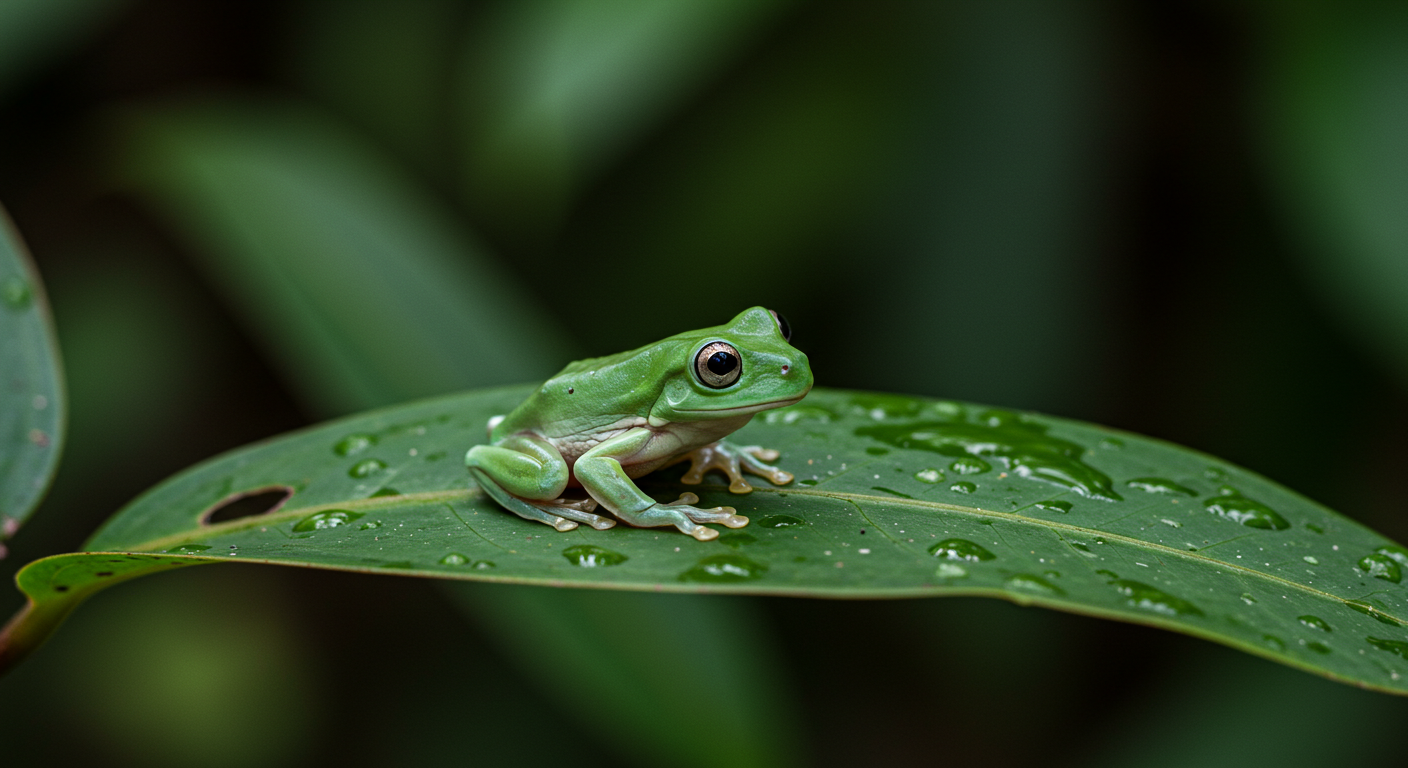
A reported species discovery in Ecuador is drawing attention for more than its science. Emerging accounts say a newly identified glass frog has been named in honor of Olympic champion Neisi Dajomes, creating the kind of crossover story that brings together biodiversity, national identity, and public recognition.
It is an appealing idea: one of Ecuador’s most celebrated athletes linked to one of the country’s most iconic groups of amphibians. At the same time, the scientific details behind the claim should be handled carefully until they are confirmed through a formal publication or a clearly documented announcement.
What is being claimed about the frog
The central claim is simple: researchers have reportedly identified a new glass frog species in Ecuador and chosen to name it after Neisi Dajomes. Beyond that, several important details remain unclear based on the information currently available.
That includes the exact scientific name, the research team involved, the institution connected to the finding, the precise location of the discovery, and the formal explanation for the naming choice. Even the phrase “Lost World,” used in some versions of the story, seems more descriptive than official and should not be assumed to refer to a formal geographic designation without verification.
In other words, the story is compelling, but the record still needs to be pinned down. That distinction matters in taxonomy, where names, locations, and publication details are central facts, not small details.
Why Neisi Dajomes is a meaningful namesake
Even with those open questions, Neisi Dajomes makes cultural sense as a reported namesake. She is one of Ecuador’s most recognized athletes and a major national figure because of her Olympic success. Her achievements carry meaning beyond sport, touching on discipline, representation, and pride on the international stage.
When scientists name a species after a public figure, the decision can do more than honor one person. It can also create a bridge between specialized research and the broader public. A species name tied to a famous athlete is far more likely to be noticed, discussed, and remembered than one known only inside academic circles.
For Ecuadorians at home and abroad, that kind of naming can resonate as a symbolic gesture. It suggests that scientific discovery is not separate from national life, but part of the same story of how a country sees itself and how it is seen by the world.
What glass frogs symbolize in Ecuador’s biodiversity story
Glass frogs hold a special place in the public imagination because of their delicate appearance and their connection to humid, forested environments. They are often seen as symbols of ecological richness and fragility at the same time.
Ecuador, of course, is widely known for extraordinary biodiversity packed into a relatively small territory. That reputation makes any reported amphibian discovery feel larger than a narrow scientific note. It becomes part of a familiar national narrative: Ecuador as a place where remarkable life forms continue to be documented, studied, and, ideally, protected.
That broader context helps explain why this reported frog story has appeal. It is not just about one amphibian. It is also about the ongoing sense that Ecuador still holds biological surprises, and that those surprises can carry cultural meaning as well as scientific value.
The bigger story behind species names
Naming a species after a public figure can turn a technical act into a public conversation. In the best cases, it draws attention to habitats, conservation needs, and the people doing field research. It can also give non-specialists an entry point into a subject they might otherwise ignore.
There is a real storytelling advantage here. A newly identified frog may interest herpetologists on its own merits, but attaching the name of a beloved athlete changes the audience immediately. Sports fans, Ecuadorians abroad, and casual readers may all pay attention in a way they otherwise would not.
That does not make the science less serious. If anything, it can make the public stakes more visible. Species names can become tiny ambassadors, carrying a message about place, identity, and conservation into the wider world.
Questions that still need verification
For now, several key points still need to be confirmed before the story can be treated as fully established. The most important are the frog’s official scientific name, the journal or source in which the species was formally described, the members of the discovery team, the exact Ecuadorian location involved, and the explicit reason given for honoring Neisi Dajomes.
Those details matter because amphibian taxonomy can be complicated. New species descriptions follow formal conventions, and small errors in names or locations can quickly distort the record.
So while the reported discovery is intriguing and easy to celebrate, a measured response is still the best one. If confirmed, it would be a memorable example of science meeting public culture in Ecuador. Until then, it remains a fascinating story that deserves both interest and careful verification.