A reported new Amazonian banjo catfish in Ecuador shows how much biodiversity is still being documented
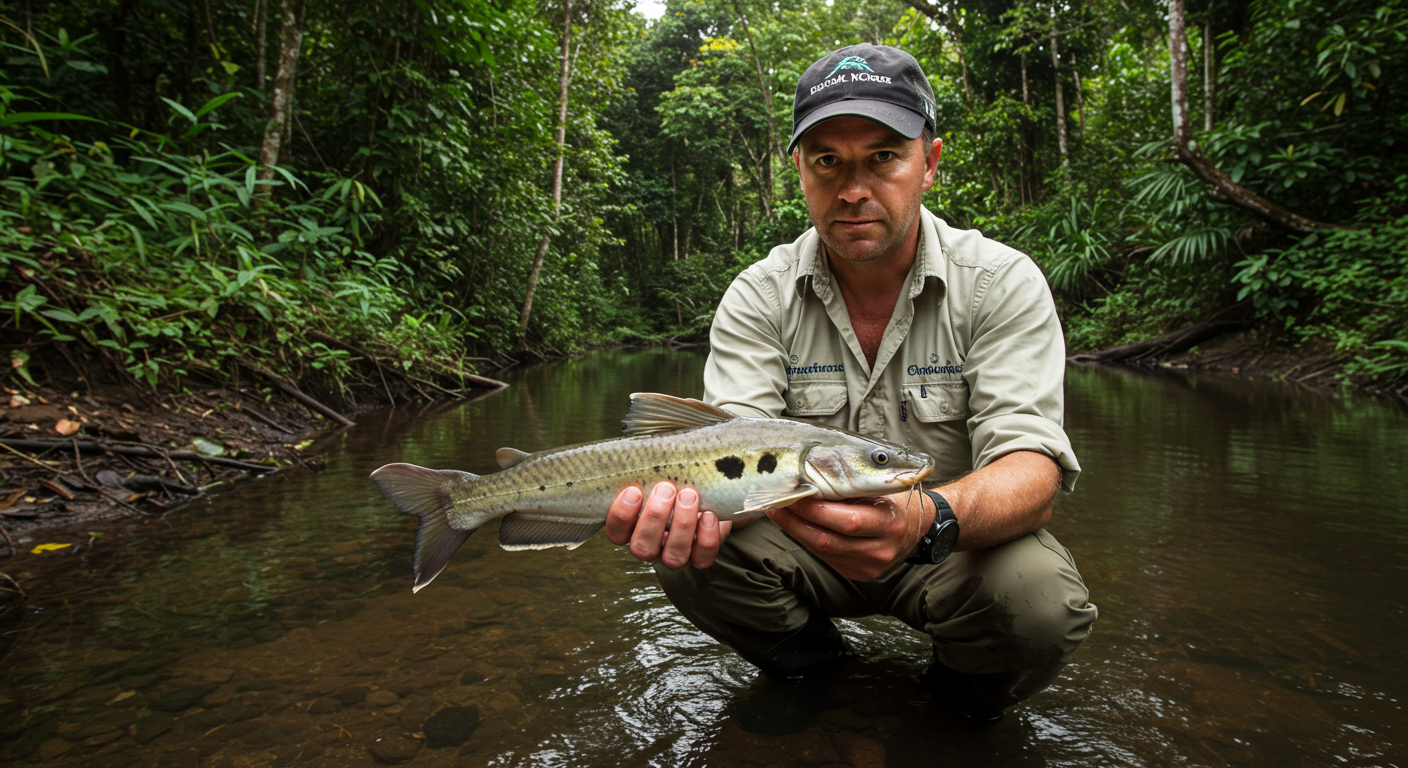
Reports of a newly described Amazonian banjo catfish from Ecuador have started to circulate, and the detail drawing the most attention is the suggestion that it may be the first species added to its genus in about 80 years. Even without full source documentation attached, that claim stands out because taxonomic updates like this can suggest a group of animals has been understudied, overlooked, or reexamined with better tools.
Even so, readers should treat the specifics carefully unless and until a peer-reviewed paper, museum announcement, university release, or similarly reliable science source is provided. In a story like this, the scientific name, the history of the genus, and the location details all matter. Those are exactly the points that need verification before they can be treated as settled fact.
What “newly described” means
In plain language, a species can be known locally, observed by researchers, or even collected long before it is formally described in the scientific record. A formal description usually means scientists have compared it with related animals, identified the features that set it apart, and published a name and classification through accepted taxonomic methods.
That is different from simply “discovering” an animal in the everyday sense. In biodiversity reporting, a fish may be new to science because it has not yet been formally documented, even if people in the region have seen it before. It may also be placed within an existing genus rather than requiring an entirely new one.
Why Ecuador and the Amazon matter
Ecuador is part of one of the most biologically rich regions on Earth, and Amazonian river systems remain especially important for freshwater science. Researchers are still refining what is known about fish, amphibians, insects, and plants across the broader Amazon basin.
That helps explain why a small fish can become a meaningful science story. Freshwater habitats are complex, many areas have been sampled unevenly over time, and some species look similar at first glance but turn out to be distinct when studied more closely.
Why an 80-year gap would be notable
If the claim is confirmed, being the first species added to a genus in roughly 80 years would make the description especially notable. Long gaps can happen for several reasons: a lineage may be poorly sampled, specimens may sit unrecognized in collections, or classification methods may improve enough to reveal differences that were previously missed.
It would also suggest that even well-established taxonomic groupings are not necessarily complete. Science often moves forward in quiet, incremental ways, and taxonomy is full of cases in which a fresh review changes how a branch of life is understood.
What should be treated cautiously
Until supporting sources are attached, several parts of this story should remain provisional. These include the fish’s formal scientific name, the exact boundaries of its genus, the “first in 80 years” timeline, and the precise details of where in Ecuador the specimens were documented.
A careful version of the story can still be useful without overstating what is known. It is reasonable to say that reports of a newly described Amazonian banjo catfish have attracted interest because they point to the continuing pace of biodiversity research in the region. Without sourcing, though, it is less reasonable to present the taxonomic history and novelty claims as fully verified.
The bigger story behind a small fish
Whether this specific report is confirmed in detail soon or not, the larger theme is clear: biodiversity science is still catching up with the natural world. A single fish description can matter because naming and classifying species is one of the first steps toward understanding ecosystems, setting conservation priorities, and recognizing what might otherwise remain invisible.
For readers in Ecuador and beyond, that makes the story compelling even before every technical detail is pinned down. The Amazon continues to remind scientists that there is still much left to document, and sometimes a small, little-known fish can tell a much bigger story about life in the region.