A New Dwarf Boa Named for Dolores Cacuango Surfaces in Amazon Reports
A New Dwarf Boa Named for Dolores Cacuango Surfaces in Amazon Reports
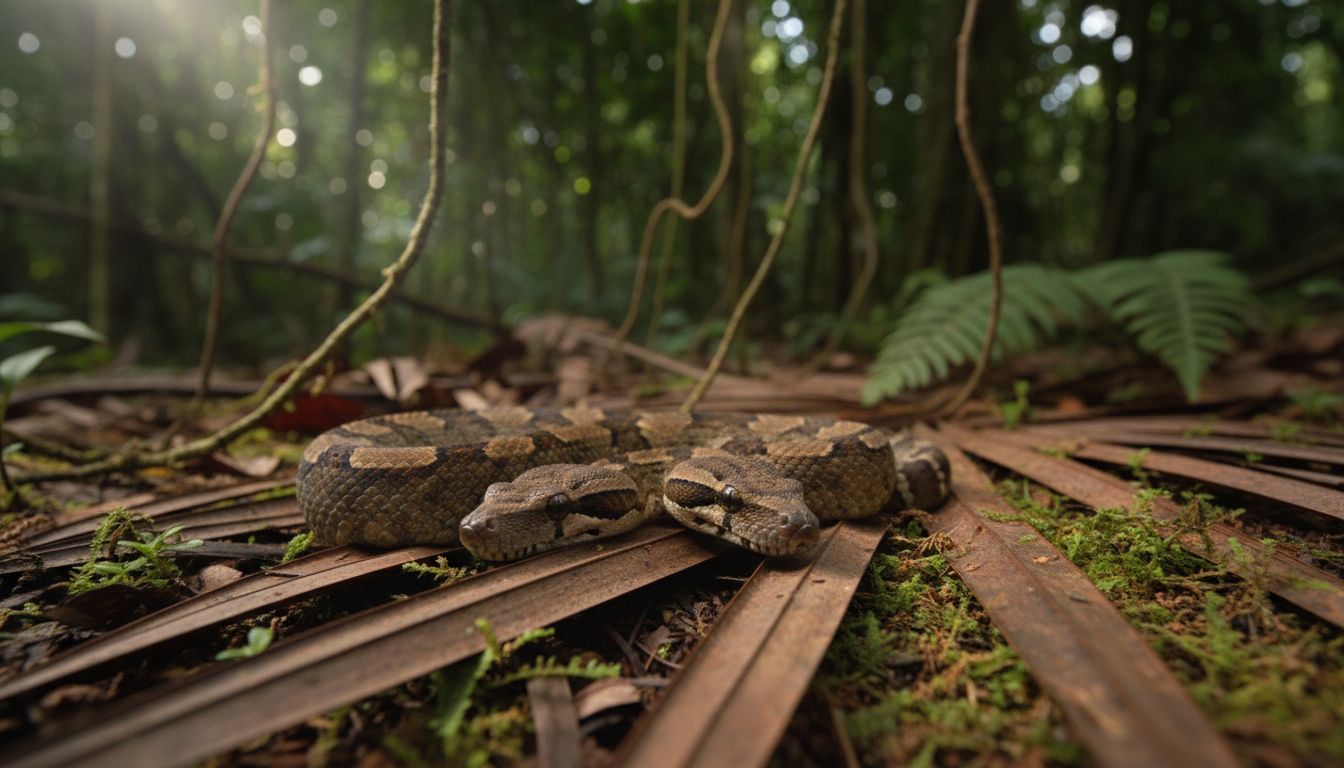
A newly named dwarf boa species, reportedly honoring Indigenous Kichwa leader Dolores Cacuango, has surfaced in discussions about biodiversity in the Ecuadorian Amazon. The snake has reportedly been documented across three Amazon provinces, though the specific provinces, the species' formal taxonomic classification, and the publication where it may have been described remain unverified. Naming choices like this often carry symbolic weight, especially when tied to figures known for defending Indigenous rights and land. Readers should treat the scientific specifics of this story as provisional until further confirmation is available.
Who Was Dolores Cacuango?
Dolores Cacuango is remembered as one of Ecuador's most significant Indigenous Kichwa leaders of the twentieth century. She is widely credited with organizing rural Indigenous communities, advocating for land rights, and pushing for greater recognition of Indigenous language and culture within Ecuadorian society. Her legacy is often invoked in discussions of Indigenous rights movements across the Andes and Amazon regions, and she remains a symbol of grassroots resistance and cultural pride for many Ecuadorians. Naming a newly identified species after her would, in that context, align with a long tradition of honoring individuals whose work intersects with land, community, and stewardship.
Why Naming Species After Indigenous Leaders Matters
Scientists have increasingly chosen to name newly discovered species after Indigenous and local figures, a practice that draws attention to the deep historical relationship between Indigenous communities and the ecosystems researchers study. A recurring theme in these naming decisions is the desire to highlight Indigenous stewardship of land, particularly in biodiverse regions like the Amazon, where local knowledge often informs conservation efforts. Such choices can also carry cultural and political resonance, signaling respect for Indigenous history and identity. It's worth noting, however, that the specific motivations of any particular researcher or research team behind this reported naming have not been confirmed, and this piece does not attempt to assert intent beyond what is generally understood about the practice.
The Amazon as a Hotspot for New Discoveries
The Amazon rainforest is widely recognized as one of the most biodiverse regions on Earth, and new species—particularly reptiles and amphibians—are discovered there with notable frequency. Ecuador's Amazon provinces, in particular, have a long history of yielding new reptile and amphibian findings, reflecting the country's disproportionately high biodiversity relative to its size. While this general context helps explain why a new dwarf boa species might plausibly emerge from the region, no specific figures, studies, or confirmed data points about this particular discovery are available at this time.
What Remains Unconfirmed
At this stage, no verifiable sources have been identified to confirm the scientific name of the dwarf boa, the exact provinces where it was documented, or the journal or publication through which it may have been formally described. Direct quotes from researchers, conservationists, or Indigenous community members cannot be included in this piece, as none have been confirmed through available sourcing. A recurring concern in stories like this is the risk of details circulating informally before formal verification—readers are encouraged to treat the specifics here as preliminary. Should credible sources become available, a follow-up piece could provide verified details, including the species' formal description and its documented range.
A Broader Reflection on Naming and Recognition
This story, even in its unverified form, fits into a broader pattern of environmental and cultural recognition converging within scientific discovery. For readers interested in Indigenous heritage and biodiversity conservation, it offers a reminder of how naming practices in science can serve as a bridge between ecological research and cultural memory. These intersections are becoming more common as scientists seek to acknowledge the communities whose lands and knowledge often underpin biodiversity research. As with any developing story, the importance of verified follow-up reporting cannot be overstated, and this piece will be revisited should confirmed sourcing emerge.