A Market Where Time Seems to Stand Still
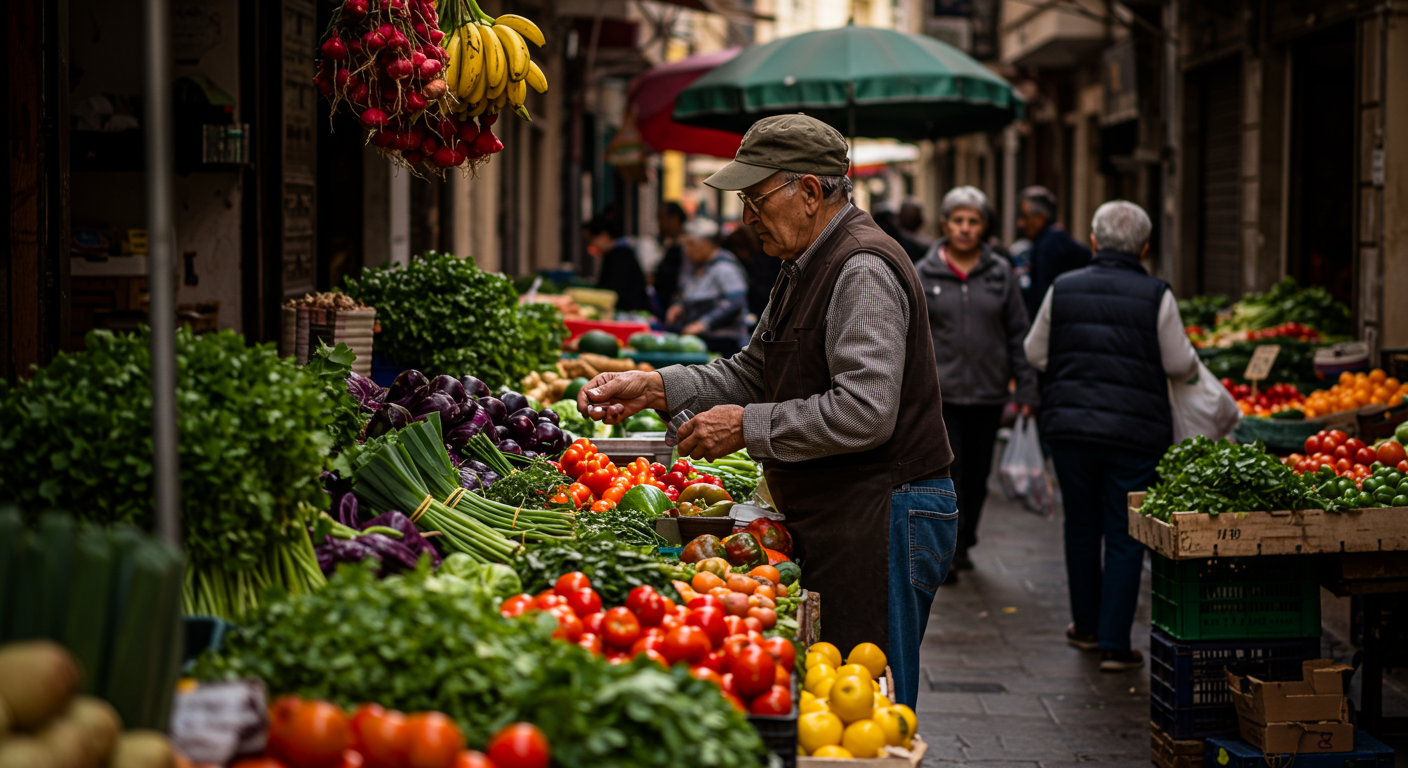
The cacophony hits you first—a symphony of haggling voices, clinking coins, and the rhythmic thud of machetes chopping fresh coconuts. As I stepped through the weathered archway of what locals simply call "el mercado," I felt the unmistakable sensation of crossing not just a threshold, but a boundary in time itself.
First Impressions: Stepping Back in Time
The sensory overwhelm is immediate and complete. Beneath a canopy of corrugated metal and canvas, wooden stalls lean against each other like old friends sharing secrets. Hand-painted signs advertise prices in faded numerals, while vendors in well-worn aprons arrange their goods with practiced precision earned over decades.
What strikes me most profoundly is the absence of hurry. In a world where efficiency has become our highest virtue, this marketplace operates on an entirely different frequency—one measured not in minutes saved, but in relationships cultivated and traditions honored.
The architecture itself whispers stories of permanence. Stone foundations worn smooth by countless footsteps support structures that have sheltered commerce for generations. This isn't a place built for convenience or quick turnover; it's a space designed for the patient art of authentic exchange.
The Rhythms of Ancient Commerce
Here, negotiation isn't merely transaction—it's ritual. I watch an elderly woman examine tomatoes with the gravity of a jeweler appraising diamonds, her fingers testing firmness while engaging the vendor in animated discussion about his grandmother's health and the recent rains.
"My father taught me to choose customers as carefully as customers choose produce," explains Carlos, whose weathered hands arrange peppers in perfect pyramids. His stall has been in his family for forty-three years, and he can trace the lineage of regular customers through multiple generations.
Daily rhythms here follow patterns established long before smartphones and credit cards. Vendors arrive before dawn to claim their traditional spots—arrangements passed down like heirlooms. Morning brings serious shoppers seeking the best selection; midday sees social visits and unhurried conversations; evenings are for settling accounts and sharing the day's stories.
Time moves differently when relationships matter more than transactions. A simple purchase of plantains becomes an exchange of family news, weather observations, and gentle advice about everything from cooking techniques to child-rearing.
A Feast for the Senses
The aromatic landscape shifts with each step. Here, the earthy richness of fresh cilantro and mint; there, the sharp tang of aged cheese and the sweet perfume of overripe mangoes. Spice vendors preside over rainbow arrays of powders—turmeric, paprika, cumin—each releasing its essence into the warm air.
Sound creates its own geography within the market. The sharp percussion of cleaver on cutting board marks the butcher's corner, while the gentle splash of water over vegetables provides a cooling counterpoint. Conversations blend into a linguistic tapestry where Spanish mingles with indigenous words that carry profound meaning about the land and its bounty.
Visual richness overwhelms at every turn. Textiles in colors that seem to capture pure sunlight hang alongside traditional pottery glazed in patterns unchanged for centuries. The interplay of light and shadow through the market's canopy creates an ever-shifting artwork where commerce becomes performance art.
Touch remains essential here in ways our sanitized shopping experiences have forgotten. Customers squeeze fruit, test fabric, and handle goods with a familiarity that speaks to deep trust between buyer and seller. This tactile relationship with commerce connects us to something fundamentally human that we've often traded away for convenience.
Faces and Stories Behind the Stalls
María Elena has sold flowers in the same corner for thirty-eight years. Her arthritic fingers still weave bouquets with unconscious elegance, and she knows the preferences of three generations of customers. "When young couples come for their first flowers together, I watch their children grow up buying flowers for their own weddings," she tells me, her eyes crinkling with the satisfaction of witnessing life's cycles.
The market has weathered economic crises, natural disasters, and social upheaval. Yet these vendors speak not of survival, but of adaptation—the way a river finds new channels while maintaining its essential character. They've learned to stock what tourists want while preserving what the community needs, balancing innovation with tradition in ways that larger businesses often fail to achieve.
Stories emerge from every interaction. The spice vendor whose recipes traveled here from Lebanon three generations ago. The cobbler whose techniques predate industrial shoe manufacturing but whose repairs outlast factory warranties. The herb seller whose knowledge of medicinal plants represents centuries of accumulated wisdom.
These aren't just merchants; they're keepers of cultural memory, their stalls serving as informal libraries of traditional knowledge that can't be googled or downloaded.
Where Past Meets Present
Modernity creeps in at the edges—a solar panel charging a vendor's phone, a digital scale beside traditional balance weights. Yet these adaptations feel organic rather than invasive, tools adopted to enhance rather than replace the market's essential character.
The challenge lies in serving two masters: authentic local commerce and the curiosity of visitors like myself. I observe how vendors navigate this delicate balance, maintaining their primary relationships with community customers while welcoming outsiders into their world without compromising its integrity.
Tourism brings needed income, but the market's soul remains rooted in its role as community hub. Early morning hours belong to local families stocking their kitchens; later arrivals might find less selection but more patience for cultural exchange and storytelling.
The persistence of this place challenges our assumptions about progress and efficiency. In an era of online shopping and contactless payments, this market demonstrates that some human needs—for connection, sensory richness, and unhurried choice—remain constant despite technological advancement.
Lessons from a Timeless Place
After hours spent meandering through these narrow aisles, I understand that this market offers more than goods—it provides an education in alternative ways of being. Here, efficiency serves relationship rather than the reverse. Success is measured not just in profit margins but in the strength of community bonds and the preservation of cultural practices.
The unhurried pace initially frustrated my immigrant sensibilities, trained as they were for quick transactions and maximum efficiency. But gradually, I began to appreciate the luxury of time—time to truly taste before buying, time to hear stories behind products, time to engage with the human faces of commerce.
This marketplace preserves something precious that our globalized retail landscape often erases: the understanding that commerce is fundamentally about human relationship. Every purchase here strengthens social fabric rather than merely transferring goods.
As afternoon shadows lengthened and vendors began the ritual of closing their stalls, I realized I had witnessed something increasingly rare—a space where tradition and community need each other, where the past informs the present without imprisoning it, and where time moves at the speed of human connection rather than digital transaction.
In our rush toward ever-greater efficiency, places like this market remind us what we might be leaving behind. They stand as proof that some things—relationship, craftsmanship, community wisdom—cannot be optimized without being diminished. They can only be experienced, honored, and carefully preserved for the generations who will need their particular form of nourishment long after our current technologies have become obsolete.