A Market Where Time Seems to Stand Still
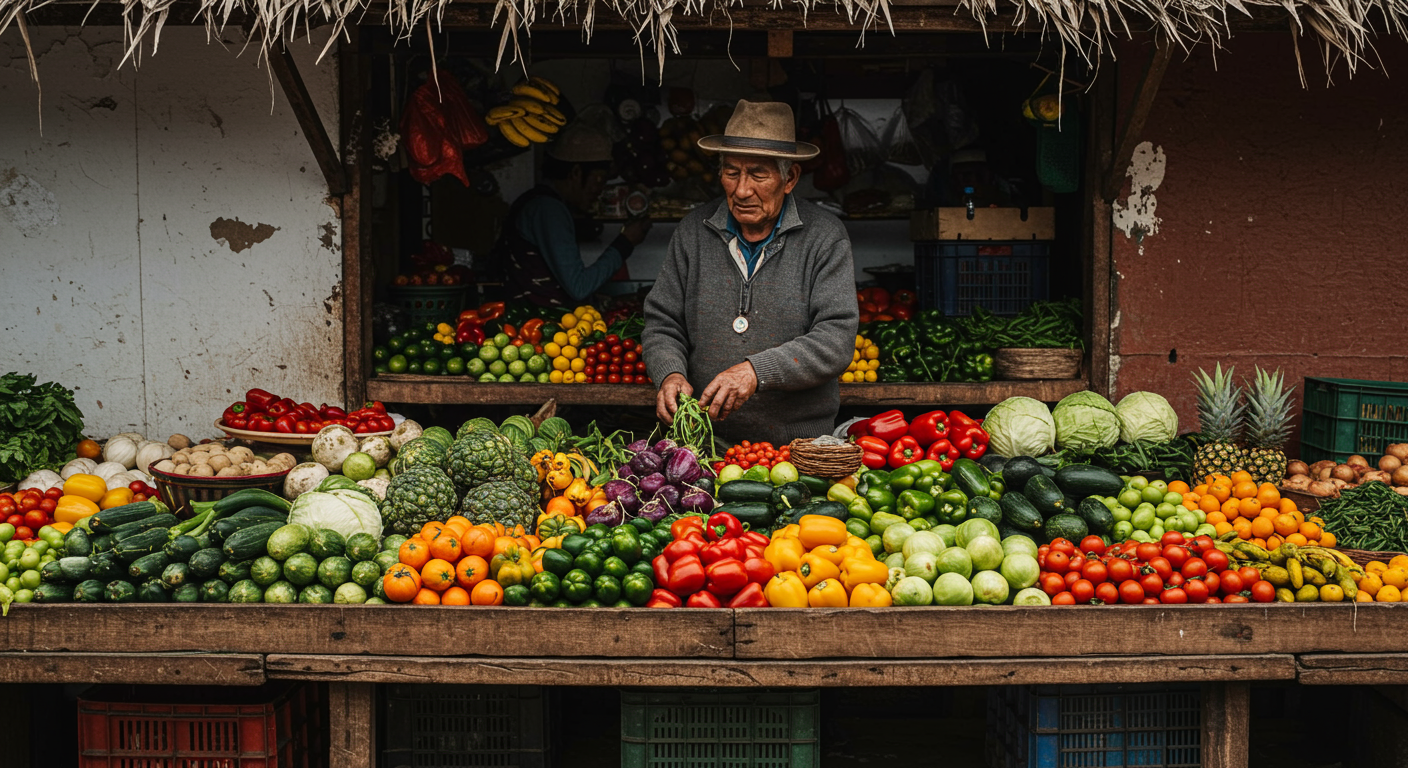
Some places exist outside the relentless march of modern commerce, preserving rhythms and traditions that feel like they belong to another era. For expats navigating new cultures, discovering such spaces is like finding a portal where time moves differently.
First Impressions: Stepping Back in Time
That first step into the market feels like crossing an invisible threshold. Gone are the fluorescent-lit aisles and refrigerated displays of modern supermarkets. Instead, wooden stalls weathered by decades of use greet you, along with the mingled aromas of fresh herbs and aged cheeses. Light filters through canvas awnings, creating a perpetual golden hour regardless of the actual time.
The contrast hits you immediately. Where modern shopping prioritizes efficiency and speed, this market actively resists hurry. Vendors take time to select each piece of fruit by hand. Customers linger in unhurried conversations. Even the architecture seems designed for contemplation rather than quick transactions.
There's a particular kind of temporal displacement here—a gentle disorientation that comes from stepping out of contemporary life's accelerated pace into something that operates by older, more deliberate rhythms.
The Architecture of Permanence
The physical structure tells its own story of continuity. Stone foundations laid generations ago support wooden beams darkened with age, their surfaces polished smooth by countless hands. The layout follows no modern retail logic—stalls wind around corners in organic patterns that encourage discovery rather than efficient navigation.
Traditional materials speak to an era when things were built to last: rough-hewn stone, weathered wood, hand-forged iron fixtures. The architecture itself becomes part of the market's inventory, as much a draw as the goods for sale.
These physical elements shape the entire experience. Narrow passages naturally slow foot traffic. Uneven stone floors demand attention to each step. Light and shadow play through traditional awnings, creating an atmosphere that shifts subtly throughout the day.
Merchants and Their Rituals
Perhaps nowhere is the market's resistance to change more evident than in its merchants—many representing the third or fourth generation of their families to occupy the same stall. These vendors carry forward not just businesses, but entire systems of knowledge about their products and customers.
The cheese seller knows exactly which wheel was aged in which cave and for how long. The vegetable vendor can predict which tomatoes will be perfect tomorrow rather than today. These aren't just commercial transactions—they're the continuation of traditions passed down through generations.
Regular customers share relationships with vendors that span decades. There's a ritualistic quality to these interactions that transcends buying and selling. Inquiries about family, discussions of weather's effect on produce quality, and the unhurried selection of goods become part of a social fabric that modern commerce has largely abandoned.
The Rhythm of Market Life
The market operates according to natural cycles that seem almost revolutionary in their simplicity. Vendors arrive before dawn not because of corporate schedules, but because that's when the best products arrive from farms and producers. The busiest hours follow the rhythm of meal preparation rather than arbitrary business hours.
Seasonal changes transform the market's entire character. Spring brings the first tender vegetables and herbs, summer overflows with abundance, autumn offers the deep flavors of harvest, and winter focuses on preserved goods and hearty staples. This seasonal rhythm connects the market—and its visitors—to agricultural cycles that most modern shopping experiences have completely severed.
Beyond commerce, the market serves as a community gathering place where neighbors encounter each other naturally, where local news is shared, and where neighborhood social life finds its center. It's a function no modern shopping center has successfully replicated.
What Remains, What Endures
In a world increasingly dominated by global chains and digital transactions, markets like this preserve values that extend far beyond commerce. They maintain the idea that shopping can be social, that quality matters more than convenience, and that some things are worth preserving simply because they connect us to something larger than ourselves.
The resistance to change here isn't mere stubbornness—it's a conscious choice to maintain practices and relationships that have proven their worth over generations. In an age of constant innovation and disruption, there's something profound about encountering a space that has found its rhythm and chosen to keep it.
For expats, discovering such places offers more than unique shopping experiences. These markets provide glimpses into the deeper cultural values of their new homes—the importance placed on tradition, community, and the unhurried appreciation of quality over efficiency.
Walking through this market, selecting vegetables by touch and smell rather than barcode, engaging in conversations that span generations, and participating in rituals unchanged for decades, you begin to understand that culture's most valuable aspects aren't found in museums or tourist attractions. They're in the living, breathing spaces where daily life unfolds at its own natural pace.
In our hyperconnected age, finding a market where time seems to stand still isn't just nostalgic—it's essential. These spaces remind us that not everything needs to be faster, more efficient, or more modern to be valuable. Sometimes, the greatest discovery is learning to move at the speed of tradition rather than the pace of progress.