A Lost Wallet That Found Its Way Back
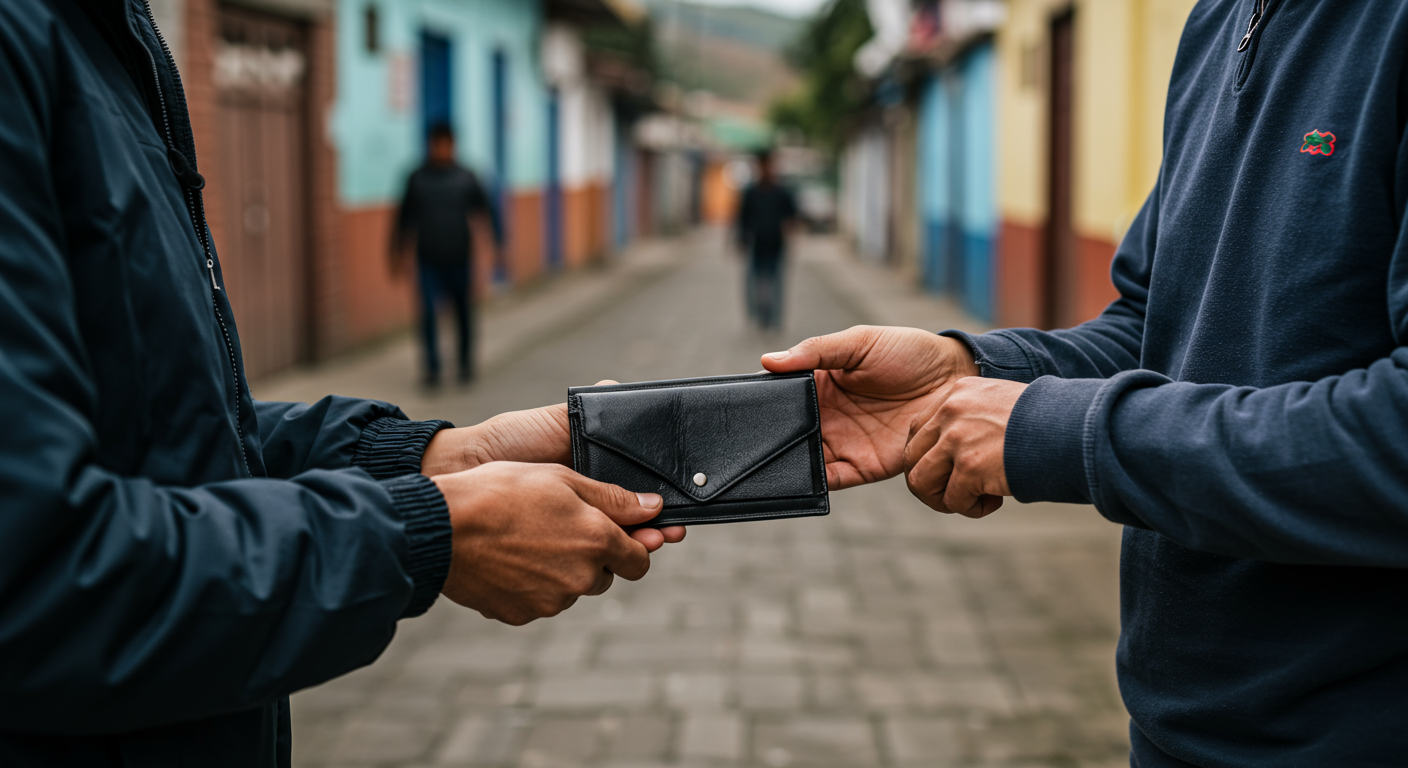
There's a sinking feeling that's universal, regardless of where in the world you are—that moment when you pat your pocket or reach into your bag and realize something crucial is missing. For me, it happened on a busy Tuesday afternoon in downtown Cuenca, and the something was my wallet.
The Moment Everything Disappeared
I had just finished lunch at a small café near the cathedral, enjoying the afternoon sun while people-watching in the plaza. It wasn't until I reached the bus stop that I discovered my wallet was gone. The immediate panic was overwhelming—that heart-dropping realization that accompanies any significant loss.
But this wasn't just about the cash inside, though as an expat living on a careful budget, every dollar mattered. My wallet contained my cedula, my only form of legal identification in Ecuador, along with my US driver's license, credit cards, and a small photo of my family that I'd carried for years. These weren't just belongings; they were my lifeline to navigating daily life in my adopted country.
I retraced my steps frantically, checking the café, the nearby shops, even scanning the cobblestones for any sign of the familiar brown leather. Nothing. The weight of what this meant began to settle in.
A Foreign Country, A Familiar Fear
Losing a wallet anywhere is stressful, but losing one as an expat adds layers of complexity that locals might not fully appreciate. My cedula wasn't just an ID card—it was my proof of legal residence, required for everything from banking to medical appointments. Replacing it would mean navigating Ecuadorian bureaucracy in Spanish, a language I was still mastering.
I found myself at the police station, struggling with vocabulary I'd never needed before, trying to explain what had happened to an officer who spoke no English. The cultural assumptions started creeping in—stereotypes I'd absorbed from friends back home about what happens to lost items in developing countries. "You'll probably never see it again," echoed in my mind, mixing my own prejudices with my genuine fear.
The officer was patient and kind, taking down the report with careful attention to detail. But even his compassion couldn't shake my pessimism about the wallet's fate.
The Unexpected Phone Call
Two days later, my phone rang with an unknown local number. I almost didn't answer—I'd grown wary of unfamiliar calls since moving abroad. But something made me pick up, and I heard a gentle voice speaking careful Spanish.
"¿Señora? I think I have something that belongs to you."
The caller was María, a woman who worked as a cleaner at the university. She had found my wallet wedged between the cushions of a bus seat during her evening shift cleaning the city buses. Rather than turning it over to lost and found, she had taken it upon herself to contact me directly, using the phone number on one of my membership cards.
Her approach was methodical and thoughtful. She described specific contents to verify ownership and suggested we meet at a public place where I'd feel safe. Her concern for my comfort as a foreign woman was touching and unexpected.
More Than Just Getting It Back
When we met at Parque Calderón the next morning, María handed over my wallet with a warm smile. Everything was there—the cash, the cards, even the photo of my family. But what struck me most was the care with which it had been treated. The leather was clean, the contents organized, as if someone had taken time to ensure everything was properly preserved.
We sat on a bench and talked for nearly an hour. María explained that she had four children and understood how important documents could be, especially for someone far from home. She refused any reward, saying simply that she hoped someone would do the same for her children if they ever found themselves in a similar situation abroad.
Our conversation revealed more than just her kindness. She shared stories about other foreigners she'd helped, about her community's pride in welcoming expats, and about her own dreams of travel. What I had assumed might be indifference or opportunism was actually a deep-seated value of hospitality and mutual support.
Lessons in Human Kindness
Getting my wallet back was just the beginning of what this experience taught me. María's actions challenged every assumption I'd made about trust in a foreign country. Her kindness wasn't exceptional in her community—it was expected, a reflection of values that prioritize helping others regardless of nationality or circumstance.
This small act of honesty became a bridge that connected me more deeply to my adopted home. It showed me that community isn't defined by shared language or culture, but by shared humanity. María didn't help me because we were alike; she helped me because it was the right thing to do.
Months later, I still carry that wallet, but now it holds more than just my documents and money. It carries a reminder that kindness exists everywhere, often in the most unexpected forms, and that our preconceptions about people and places can blind us to the generosity that surrounds us.
The experience fundamentally changed how I navigate my expat journey. Instead of approaching new situations with wariness based on cultural stereotypes, I now lead with openness and trust. María taught me that home isn't just where you're from—it's where people care enough to make sure you don't lose your way.