A Lost Wallet That Found Its Way Back
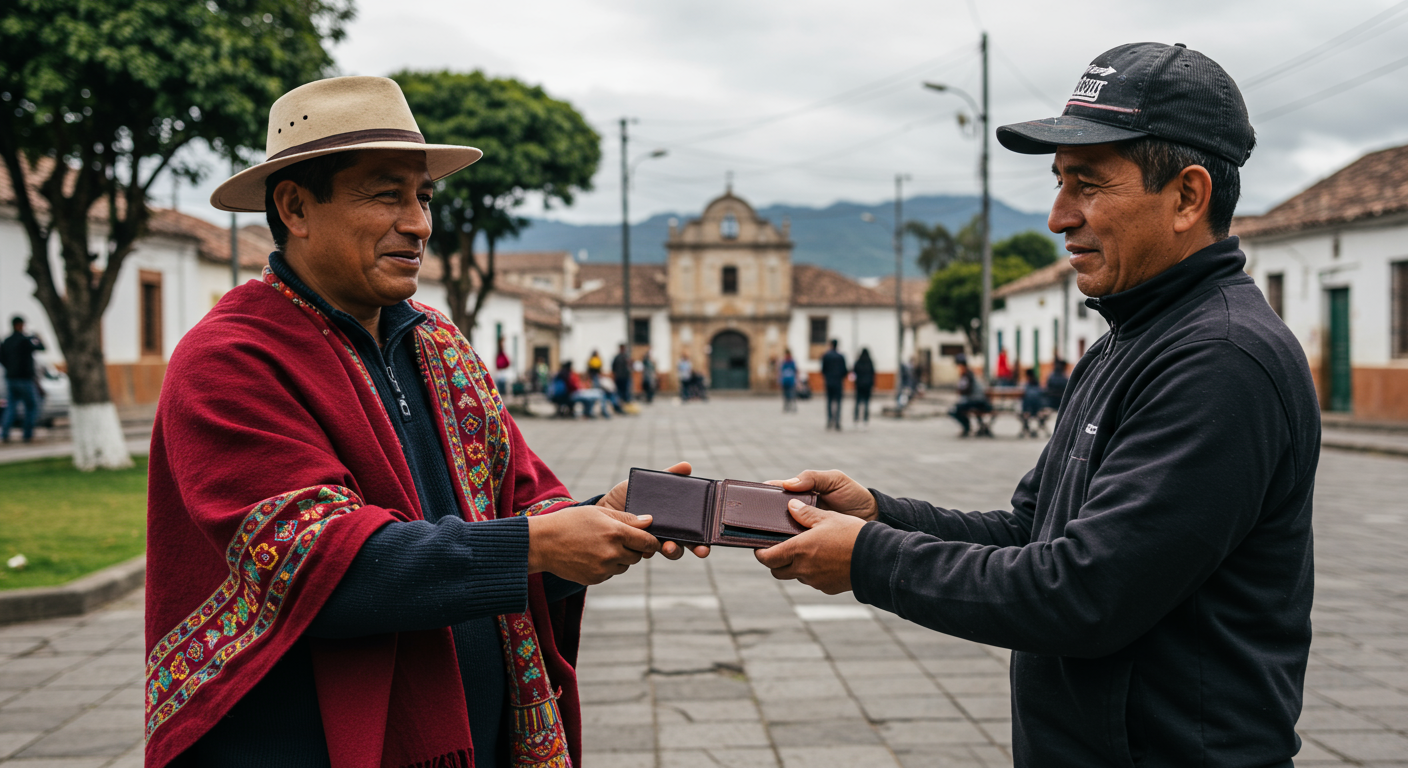
The crisp morning air felt different that day as I stepped out of the café, completely unaware that my world was about to shift into panic mode. It wasn't until I reached for my wallet at the next shop that the terrible realization hit me – it was gone.
The Moment Everything Disappeared
I had been living abroad for eight months, finally feeling settled in my new routine. The local café had become my morning sanctuary, where I'd grab coffee and practice my still-shaky language skills with the baristas. But somewhere between ordering my usual and rushing to catch the bus, my wallet had vanished.
The initial wave of panic was overwhelming. This wasn't just any wallet – it contained my residence permit, foreign bank cards, driver's license from back home, and the equivalent of a week's grocery money in local currency. As an expat, losing these documents felt exponentially more catastrophic than it would have back home. Here, I was already navigating a complex web of bureaucracy in a second language, and the thought of replacing everything seemed insurmountable.
I stood frozen on the sidewalk, mentally cataloging everything I'd lost. The residence permit alone had taken three visits to government offices and countless forms. My foreign bank cards would take weeks to replace, and I wasn't even sure how to begin the process from abroad.
The Scramble to Recover
Fighting back tears, I immediately began retracing my steps. The bus stop, the newsstand, back to the café – each location bringing fresh disappointment. The café staff were sympathetic but hadn't seen anything. My limited vocabulary made explaining the situation feel clumsy and desperate.
"Wallet... lost... important papers," I managed to communicate, supplemented by frantic gesturing. The language barrier that I'd been gradually overcoming suddenly felt like an insurmountable wall. How do you explain the specific panic of lost immigration documents when you can barely order coffee with confidence?
I spent the next hour visiting every shop along my route. Some staff members tried to help despite the communication challenges, others simply shrugged apologetically. The local police station was my next stop, where a patient officer helped me fill out a report, though his expression suggested my chances were slim.
By noon, I was researching the nightmare process of replacing foreign documents. Embassy appointments, notarized forms, fees that would stretch my already tight expat budget – the administrative mountain ahead felt crushing.
An Unexpected Phone Call
Just as I was preparing to call the embassy, my phone rang. The voice on the other end spoke in rapid local dialect, and I caught only a few words: "wallet," "found," and what sounded like my name. My heart raced as I asked them to speak slower, switching between languages until we found common ground.
The caller was Maria, a street cleaner who had found my wallet in a gutter three blocks from the café. She had somehow managed to identify me from my residence permit photo and tracked down my phone number – a detective effort that amazed me given the bureaucratic challenges I regularly faced myself.
Maria suggested we meet at the same café where I'd lost it. Her voice was warm and patient as she repeated the meeting details slowly, understanding my linguistic limitations without making me feel embarrassed about them.
The Reunion
When I arrived at the café, I spotted Maria immediately – a woman in her fifties with kind eyes and work-worn hands, carefully holding my familiar brown wallet. The relief was so intense I nearly cried right there.
Everything was exactly as I'd left it. Every card, every document, even the cash – all present and accounted for. Maria had even cleaned off some street grime that had gotten on the leather. As I checked the contents, she explained in simple sentences mixed with gestures how she'd found it and why she'd gone to such efforts to return it.
"It's important to you," she said in her careful English, pointing to the residence permit. "I know how hard these papers are." Her understanding of an expat's situation touched me deeply – she recognized the weight of what could have been lost.
When I tried to offer her a reward, pressing cash into her hands, she firmly refused. "No, no," she smiled, pushing the money back toward me. "This is what we do." The simplicity and conviction of her statement left me speechless.
Reflections on Honesty Across Cultures
In the days that followed, I couldn't stop thinking about Maria's kindness. Before moving abroad, I'll admit I had unconscious assumptions about different cultural attitudes toward honesty and community responsibility. Some of these biases were shaped by news stories, others by casual conversations with fellow expats who shared their own preconceptions.
Maria's actions shattered those assumptions completely. Here was someone who could have easily ignored a wallet in the gutter, or kept the cash and discarded the documents that meant nothing to her. Instead, she had gone out of her way to understand what those papers represented to a foreigner and had invested her own time and effort into making things right.
This experience revealed something beautiful about the local community that I might have missed otherwise. It showed me that beneath surface-level cultural differences – language, customs, daily routines – there exists a deeper layer of shared human values. Honesty, empathy, and the instinct to help others aren't culturally bound traits; they're universal aspects of human nature that transcend borders.
The interaction also changed how I moved through my adopted city. I began to see my neighbors not as foreign strangers whose motivations I couldn't understand, but as potential Marias – people who might quietly embody the very best of human nature. This shift in perspective made me more open to trusting, more willing to engage, and ultimately more at home in my new country.
Six months later, I still think about that morning and Maria's simple statement: "This is what we do." It wasn't just about returning a wallet – it was about recognizing our shared humanity across cultural divides. In her small act of honesty, Maria had given me something far more valuable than the documents she returned. She had given me a deeper understanding of home, kindness, and the universal language of doing what's right.