A Lost Backpack and the People Who Helped: An Expat's Tale of Unexpected Kindness
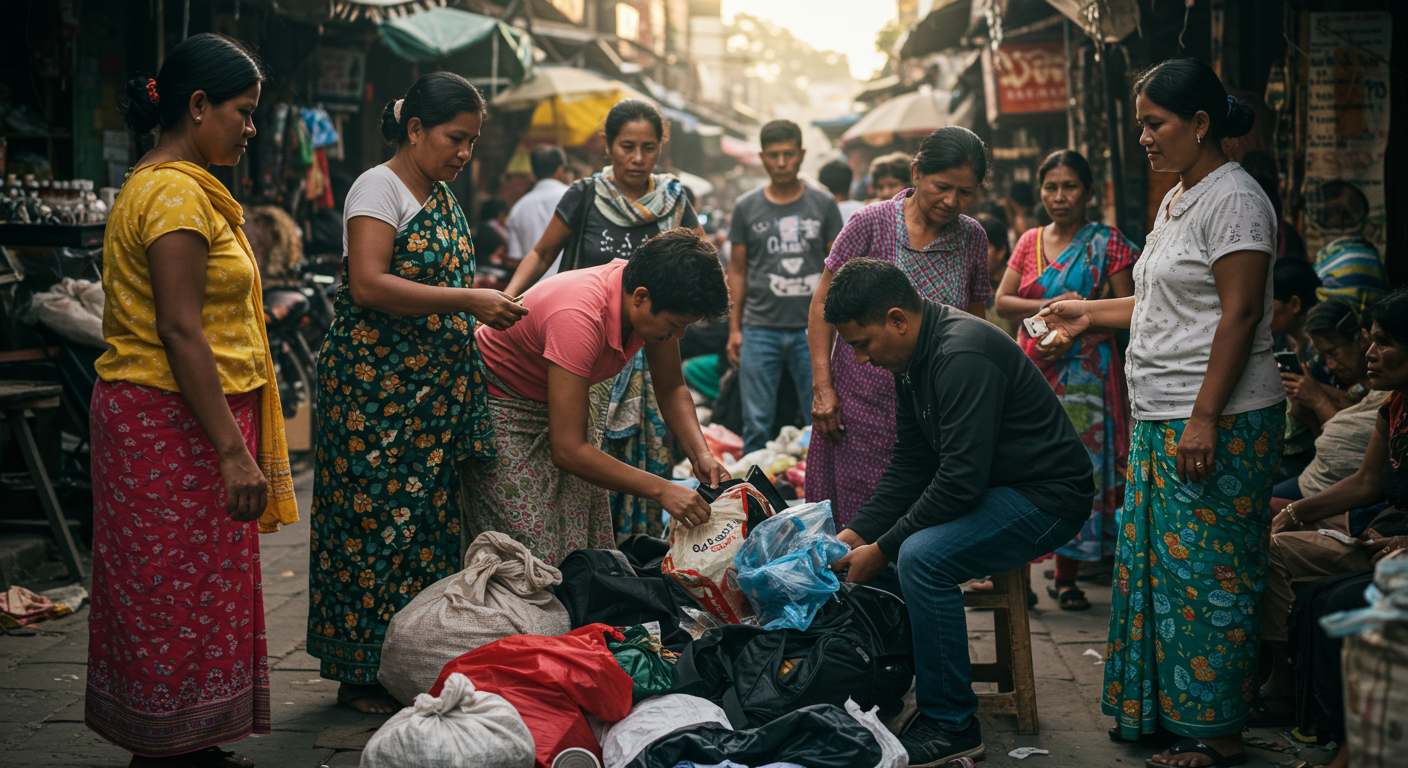
Every traveler has that moment when everything goes sideways. Mine came on a bustling Tuesday morning in a city where I barely spoke the language, when I realized my backpack—containing my passport, laptop, and irreplaceable photos from months of travel—had vanished.
The Moment Everything Went Wrong
I was sitting at a café in the historic district, having just finished breakfast and planning my day ahead. The morning sun painted the cobblestones golden, and street vendors were setting up their colorful displays. It should have been perfect. Instead, it became the backdrop for my worst travel nightmare.
When I reached for my backpack to pay the bill, my hand grasped nothing but air. The space beside my chair was empty. My heart dropped as the reality hit: somewhere between the morning market visits and this café, my entire life as I knew it had disappeared.
Inside that backpack weren't just documents and electronics—there were handwritten letters from my grandmother, a journal filled with months of memories, and the only copies of photos from a remote village I'd visited weeks earlier. The panic was immediate and overwhelming.
I retraced my steps frantically, running between the market stalls I'd browsed, checking every corner where I might have set it down. Nothing. The vendors looked at me with curious concern as I gestured wildly, trying to mime "backpack" in a language I didn't speak.
First Angels: Immediate Help from Strangers
That's when María appeared—though I wouldn't learn her name until much later. She was an elderly woman who had been watching my increasingly desperate search from her small grocery stall. Despite speaking no English, she immediately understood something was terribly wrong.
Using a combination of broken Spanish, frantic gestures, and drawings on a napkin, I managed to convey my situation. María's face softened with understanding, and she did something that still moves me today: she closed her stall, hung a hand-written sign on the front, and beckoned for me to follow her.
For the next hour, this stranger walked me through every shop, every corner, every possible place where my backpack might have ended up. She spoke rapidly to other vendors in the local dialect, describing my situation and rallying them to keep watch. Her kindness was immediate and unconditional—she had no reason to help me, but she did anyway.
What struck me most was how she approached the problem differently than I had. Where I saw language barriers, she saw people willing to help. Where I saw unfamiliar streets, she saw a network of neighbors and friends.
The Local Network Mobilizes
Word of the missing backpack spread through the community like ripples in a pond. Within two hours, it seemed like half the neighborhood knew about the lost tourist's predicament. Shopkeepers who had never seen me before were stopping me on the street to ask if I'd found it yet.
The local network that emerged was fascinating to witness. The barber knew the bus drivers, who knew the street cleaners, who knew the police officer on the beat. Each person had a different theory about where the backpack might have gone and a different connection to help check.
One young man named Carlos, who spoke some English, appointed himself as my unofficial translator and search coordinator. He called his cousin who worked at the lost and found office, texted his girlfriend who worked at the tourist police, and even posted about it on local social media groups.
What would have taken me days to navigate alone, this impromptu community accomplished in hours. They had local knowledge, established relationships, and most importantly, a genuine desire to help solve the problem.
Unexpected Allies and Cultural Bridges
As the search continued, unexpected allies emerged from places I never would have thought to look. A fellow expat from Germany, who had been living in the area for three years, heard about my situation through the local grapevine and showed up with practical advice and emotional support.
She understood the unique panic that comes with losing important documents in a foreign country—the bureaucratic nightmares, the embassy visits, the insurance claims. While the locals provided search power, she provided the perspective of someone who had navigated similar challenges.
Even more surprising was Officer Ramírez from the local police, who went far beyond what duty required. Instead of just taking a report, he personally drove me to several locations where lost items commonly turn up. He explained that tourists losing belongings was common, but the community's response to help me was something he found remarkable.
Through Carlos, Officer Ramírez shared that he rarely saw such mobilization for a stranger's problem. "Usually," he said through translation, "people mind their own business. But something about your situation brought out the best in everyone."
The Resolution and Its Aftermath
The backpack was eventually found—not through any dramatic discovery, but through the methodical thoroughness of the local network. A cleaning lady at the market had found it tucked behind some crates and turned it in to the market office, where it sat waiting while the office manager was at lunch.
When Carlos called with the news, I could barely believe it. We rushed to the market office, and there it was—completely intact, nothing missing. The relief was overwhelming, but what happened next was even more meaningful.
Word spread just as quickly about the recovery as it had about the loss. María appeared with a small bouquet of flowers "para celebrar." Other helpers stopped by throughout the afternoon to congratulate me and share in the joy. What had started as a crisis had become a community celebration.
I tried desperately to thank everyone properly, to offer money or gifts, but most refused. María accepted only a small token—a postcard from my home country, which she said she would treasure. Carlos accepted my promise to buy him lunch, but only if I promised to stay in touch.
Lessons from the Road: What This Experience Taught Me
This experience taught me profound lessons about human nature that no guidebook could have provided. I learned that kindness truly is a universal language, transcending barriers of speech, culture, and circumstance. The willingness to help a stranger in distress seems to be hardwired into human nature, regardless of geography.
Practically, I learned the importance of having backup plans and copies of important documents, but more importantly, I learned about the power of vulnerability. By accepting help graciously, I allowed others to express their generosity and compassion. My crisis became an opportunity for an entire community to demonstrate their values.
The difference between tourist help and expat community support became clear through this experience. Tourists receive assistance as customers or temporary visitors. But when you're in real trouble, when you're vulnerable and need genuine help, you discover the deeper networks of human connection that exist in every community.
Most surprisingly, I learned that being helpless in a foreign place doesn't always make you more isolated—sometimes it makes you more connected than you've ever been. The people who helped me that day didn't see a lost tourist; they saw a fellow human being in need, and they responded with the best of themselves.
Months later, I still exchange messages with several of the people who helped me. María sends photos of her grandchildren, Carlos updates me on his studies, and Officer Ramírez occasionally shares news from the neighborhood. What started as the worst day of my travels became one of the most meaningful, creating connections that lasted long after I'd moved on to other cities.
The backpack was eventually replaced with a newer model, and the documents were just paperwork in the end. But the memory of that community's kindness—that remains irreplaceable.