A Lost Backpack and the People Who Helped
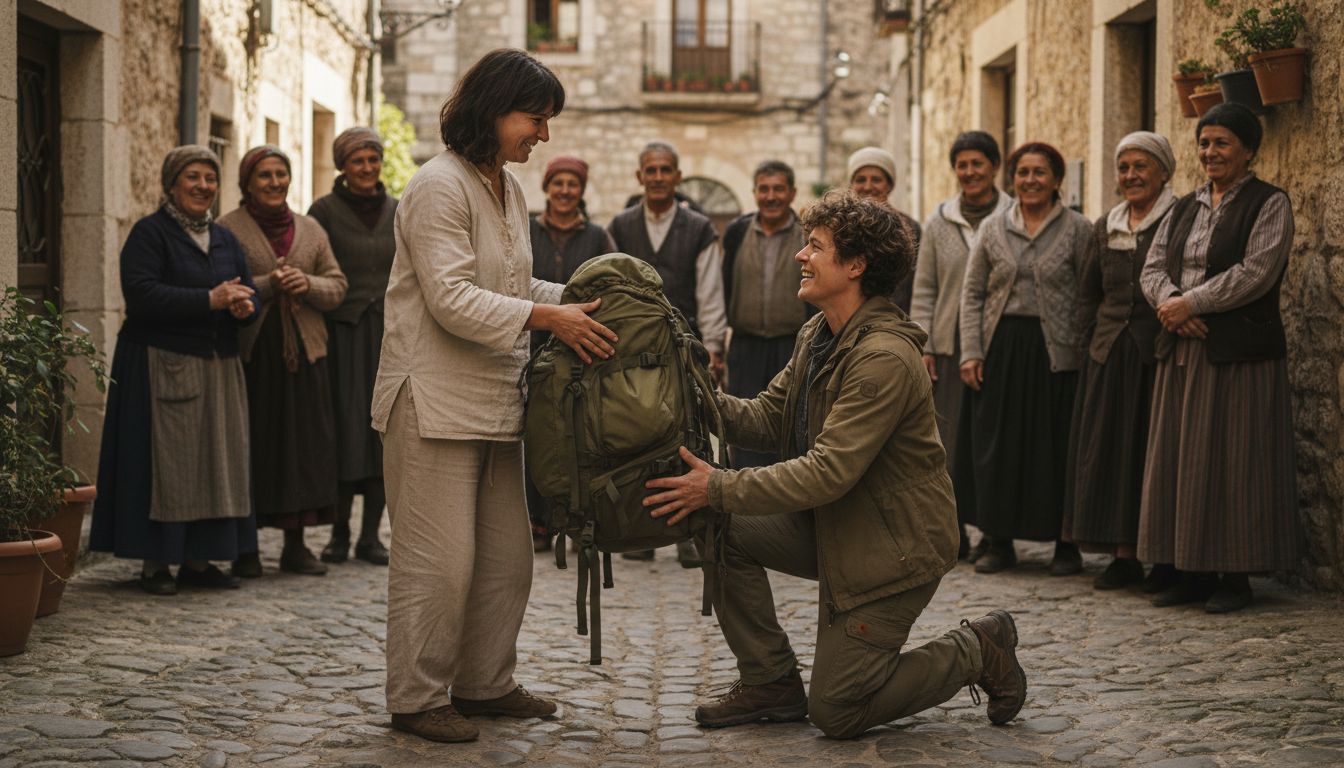
A Lost Backpack and the People Who Helped
There is a particular kind of panic that only an expat far from home can truly understand. It is the feeling of realizing, in a single gut-dropping moment, that everything tethering you to safety and identity in a foreign country has just vanished. That was the moment I found myself in on a crowded regional train, reaching for my backpack and feeling only empty air beside me.
Inside that bag was more than fabric and zippers. There was my passport, my laptop with months of half-finished work, a journal I had kept since arriving abroad, and a small, worn photograph of my family that I carried everywhere. In an instant, the practical and the sentimental were both gone, and I was alone in a country where I barely spoke the language, with no backup plan and no one to call who could simply fix it for me.
The Moment of Panic: Realizing the Backpack Was Gone
I had been living abroad for several months by then, long enough to feel comfortable but not long enough to feel truly at home. The train rocked gently as it pulled into the next station, and I stood to gather my things, only to find the seat beside me bare. My mind raced through the last twenty minutes: Had I set it down at the café before boarding? Had someone taken it while I dozed off, lulled by the rhythm of the tracks?
The wave of panic that followed wasn't just about the backpack itself. It was about everything the loss represented—my ability to prove who I was, my connection to home, and the quiet reassurance that comes from having your essentials within reach. Far from family, friends, or any familiar support system, the stakes felt enormous. A misplaced bag in my home country would have been an inconvenience. Here, it felt like the ground shifting beneath me.
Navigating a Crisis in a Foreign Place
My first instinct was to retrace my steps, but doing so in a language I barely understood complicated everything. I fumbled through broken phrases with a train conductor, gesturing toward the seat where the bag had been, trying to explain what happened. Every interaction felt like wading through fog—not just the language barrier, but the unfamiliar protocols of who to ask, where to report a loss, and what, if anything, could realistically be done.
I called the transit authority's help line, waited on hold, and was transferred twice before someone could explain, in halting English, that lost items were sometimes turned in at a central office—but not always, and not quickly. Meanwhile, I stood on the platform, disoriented, feeling the particular vulnerability that comes from being a visible outsider in a moment of crisis. People glanced my way, sensing distress, but no one yet stepped in. The isolation of that in-between moment, caught between systems I didn't understand and a problem I couldn't solve alone, was almost as unsettling as the loss itself.
Strangers Who Became Saviors
It was a woman waiting on the same platform who first noticed my distress and approached. She didn't speak much English, but she understood enough from my gestures and scattered words to grasp what had happened. She pulled out her phone and, through a translation app, began typing questions, patiently working through the details with me: which train, which direction, what time.
From there, kindness seemed to multiply. She walked me to a nearby convenience store, where the shopkeeper, who had seen countless travelers pass through, made a phone call to a cousin who worked at the train depot. Within thirty minutes, three people I had never met before that day were coordinating on my behalf, all to help a stranger find a backpack. One of them sat with me while we waited, offering a cup of tea and quiet reassurance, saying through the translation app, "Many people lose important things here. We help where we can."
Their persistence, offered with no expectation of anything in return, became its own kind of comfort. It did not erase the anxiety of the situation, but it reshaped it. I was no longer navigating the crisis alone.
The Backpack's Return (or the Deeper Lesson If Unrecovered)
Hours later, word came back through the shopkeeper's cousin: the backpack had been found, left untouched on the train and turned in by another passenger who noticed it abandoned. When I finally held it again, everything was intact—passport, laptop, journal, and the small photograph of my family, still tucked safely inside.
But what I carried away from that day extended far beyond the physical items. I left with a renewed sense of trust in people I had never met and would likely never see again. The woman from the platform, the shopkeeper, and his cousin had no obligation to help a stranded foreigner, yet they treated my crisis as something worth their time and effort. That evening, I returned to the convenience store to thank them properly, and we shared a brief, grateful exchange that, while I didn't maintain ongoing contact with them, left a lasting impression far beyond the recovered bag.
What the Experience Revealed About Living Abroad
Looking back, the incident taught me something that extends well beyond lost luggage. Living abroad means accepting a kind of vulnerability that doesn't exist in the same way at home—a dependence on the goodwill of people who owe you nothing, speak a different language, and operate within systems you don't fully understand. It can feel destabilizing, but it can also reveal a deep and often unexpected generosity in people.
Many expats, if asked, could share a similar story: a moment of crisis met not with indifference but with quiet, patient kindness from strangers who stepped in simply because they could. These moments suggest something universal about human empathy, something that transcends language and cultural differences. For those of us living far from our usual support systems, these small acts of generosity often become the threads that keep us anchored.
If there is a lingering sentiment from that day on the platform, it is this: vulnerability abroad does not have to mean isolation. Sometimes, it simply means discovering, in the most unexpected ways, that you are not as alone as you feared.