A Lost Backpack and the People Who Helped
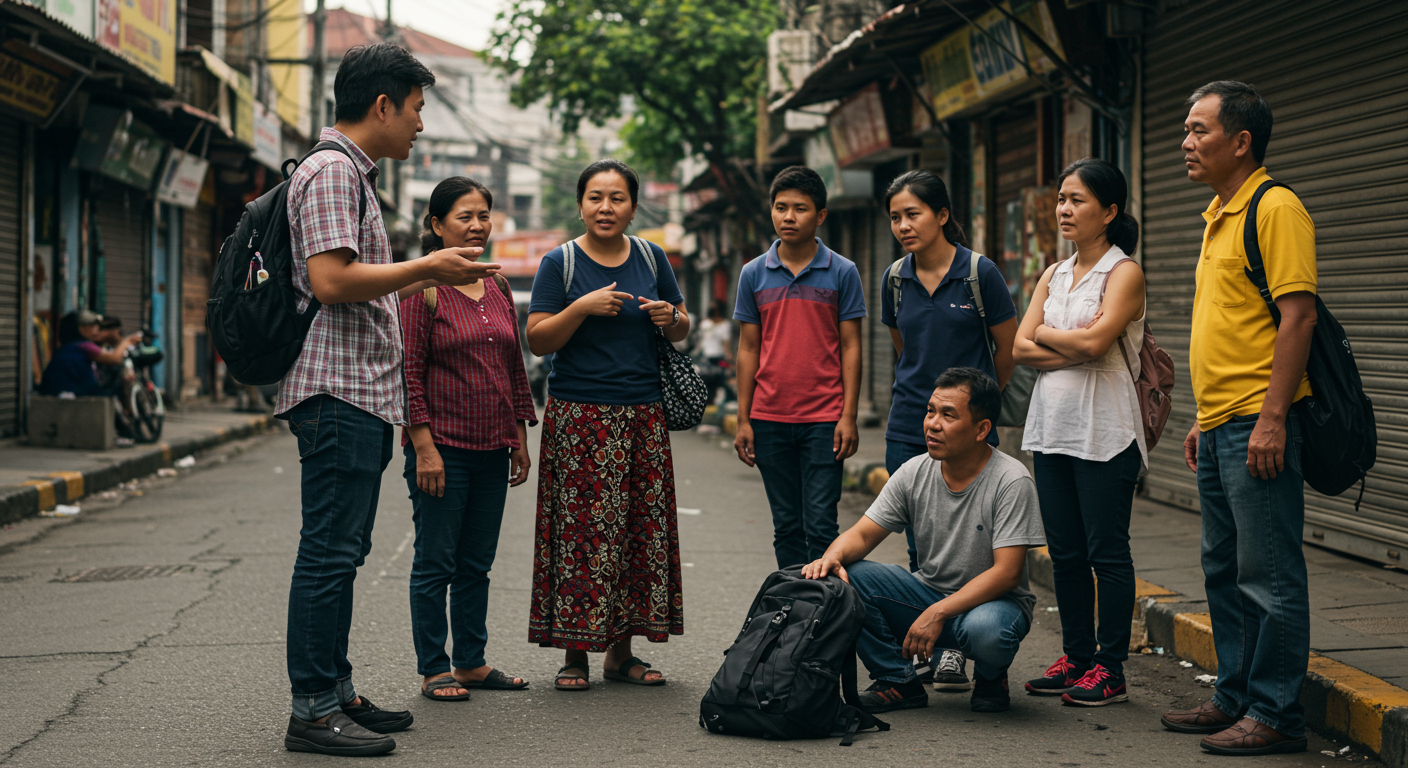
Sometimes the worst moments of travel become the most transformative. What started as a nightmare in a foreign city ended up teaching me more about human nature than years of comfortable tourism ever could.
The Morning Everything Went Wrong
It was my third day in Barcelona, and I had finally started feeling confident navigating the metro system. I was staying in a small hostel in the Gothic Quarter, planning to catch an early train to Valencia. In my rush to make checkout time, I grabbed my day pack but somehow left my main backpack—containing my laptop, camera, passport copies, medications, and three weeks' worth of clothes—sitting beside my bed.
The realization hit me like a physical blow when I reached Estació de Sants. I frantically searched through my day pack twice, as if my missing belongings might materialize through sheer desperation. My train was departing in twenty minutes, and I was an hour away from the hostel by metro.
I stood frozen in that busy station, surrounded by purposeful travelers, feeling utterly alone. The rational part of my brain began calculating: Could I get back to the hostel before housekeeping found the bag? Would they hold it? Could I afford to lose everything inside?
Strangers Becoming Angels
My distress must have been visible, because a middle-aged woman approached me while I stood staring at the departure board. "¿Necesitas ayuda?" she asked gently. My Spanish was elementary at best, but desperation made me brave.
Through a combination of broken Spanish, frantic hand gestures, and Google Translate, I explained my situation. Elena—I learned her name later—was a local teacher heading to work. She had no obligation to help a careless tourist, yet she immediately pulled out her phone and began making calls.
What happened next still amazes me. Elena contacted her brother, who lived near the Gothic Quarter. Within minutes, she had arranged for him to go to the hostel, explain the situation, and retrieve my bag if it was still there. She missed her original train to stay with me and coordinate this rescue mission.
While we waited, Elena taught me essential Spanish phrases for emergencies and insisted on buying me coffee. "Es normal," she said when I tried to thank her—it's normal. But nothing about her kindness felt normal to me.
A Chain of Kindness Across Cultures
Elena's brother, Miguel, became another link in this unexpected chain of assistance. Not only did he recover my bag from the hostel, but he recruited his teenage daughter to help translate when the reception staff needed clarification about who was authorized to collect it.
The hostel manager, initially skeptical about releasing a guest's belongings to strangers, was won over by the family's obvious sincerity. She even offered to hold the bag at the train station's left luggage facility so I wouldn't have to return across the city.
But the kindness didn't stop there. While Elena and I waited, she struck up conversations with other travelers at the station. Soon, a German couple offered to share their city map, and a group of Australian backpackers insisted on giving me their leftover metro passes. Word of my predicament seemed to activate an invisible network of travel solidarity.
An elderly Spanish gentleman who overheard our conversation approached with advice about travel insurance and shared his own story of losing luggage in Morocco forty years earlier. "The bag, it comes back or it doesn't," he said in careful English. "But the people you meet, they stay with you forever."
What I Found When I Lost Everything
My backpack was recovered—somewhat anticlimactically—within three hours. Miguel delivered it to the station personally, refusing my offers of payment for gas or his time. Elena waited to see me safely reunited with my belongings before finally heading to work, now running hours late.
The relief of getting my things back was overwhelming, but it felt secondary to something larger I had gained. In my panic, I had been forced to abandon my usual travel self-reliance and ask for help. What I discovered was a willingness to assist that crossed language barriers, cultural differences, and the usual stranger wariness of big cities.
This experience fundamentally changed how I approach travel emergencies. Instead of viewing them as disasters that derail plans, I began seeing them as opportunities to connect with places and people in authentic ways. The vulnerability of needing help, I learned, often brings out the best in both the helper and the helped.
Elena and I stayed in touch through social media, and I was able to visit her family during a return trip to Barcelona two years later. That relationship, born from crisis, became one of the most meaningful connections from my travels.
Paying It Forward
Since that day in Barcelona, I've tried to emulate the kindness I received. I've helped lost tourists in my home city, shared power banks with travelers at airports, and offered directions to confused backpackers. Each time, I remember Elena's matter-of-fact "es normal" and try to make assistance feel natural rather than exceptional.
For fellow expats and travelers, I've learned that accepting help gracefully is as important as offering it. Cultural pride or embarrassment about needing assistance can prevent us from experiencing the profound generosity that exists in communities worldwide. Some practical lessons emerged too: always keep emergency contacts in multiple places, learn basic help-seeking phrases in the local language, and remember that most people genuinely want to assist if asked respectfully.
The universal language Elena taught me wasn't Spanish—it was the simple recognition that we all sometimes need each other. Whether you're navigating visa complications, dealing with housing emergencies, or just feeling overwhelmed by cultural differences, reaching out for help often reveals the humanity that connects us across borders.
I never did make it to Valencia that day, but I discovered something more valuable in that Barcelona train station. Sometimes losing everything you thought you needed helps you find what actually matters: the kindness of strangers who choose to care about someone else's small disaster, and the reminder that we're never as alone as we feel in our worst moments.