A Jewel-Toned Beetle and a Curious Expat: What iNaturalist Reveals About Ecuador's Hidden Biodiversity
A Jewel-Toned Beetle and a Curious Expat: What iNaturalist Reveals About Ecuador's Hidden Biodiversity
An Expat's Unexpected Encounter with Ecuador's Wildlife
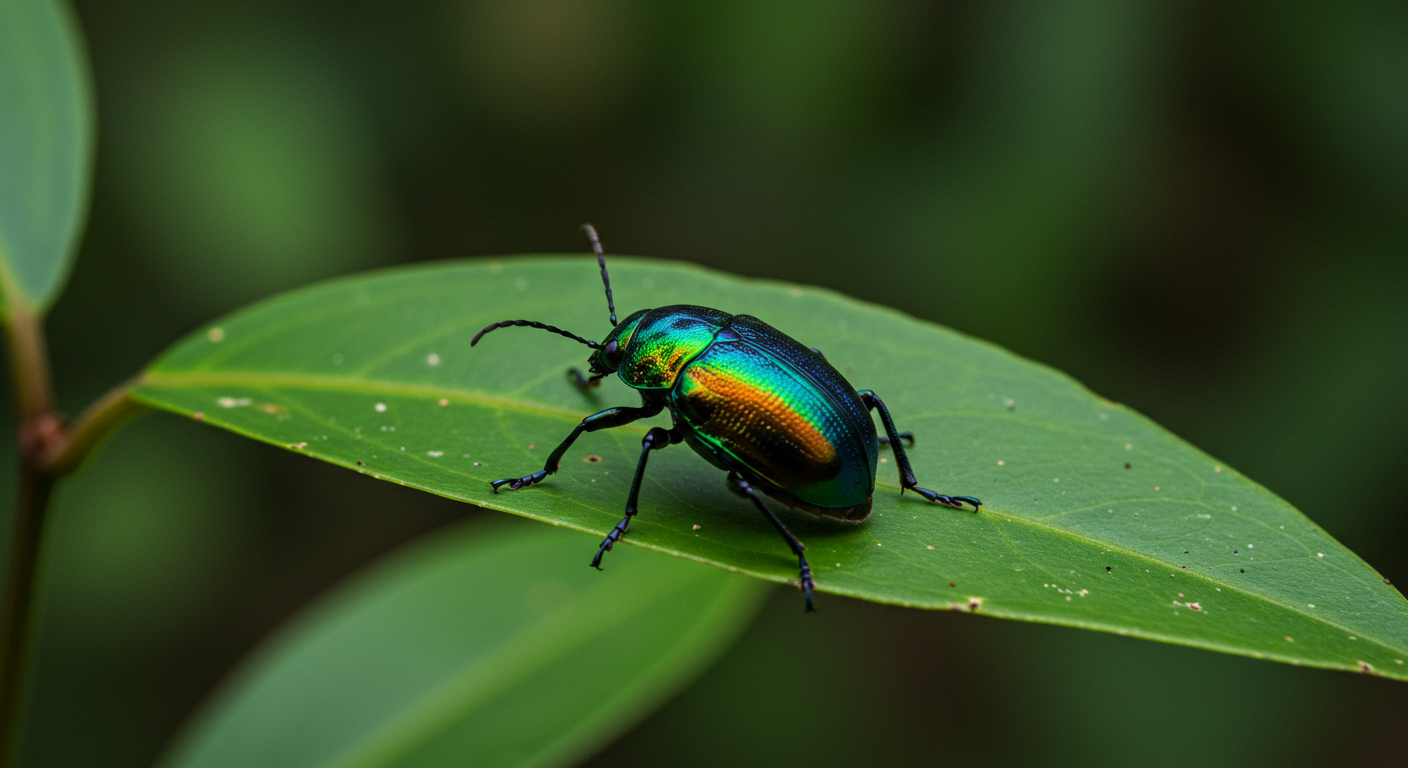
For many expats settling into life in Ecuador, the country's extraordinary biodiversity has a way of announcing itself in unexpected moments. One such moment, as the story goes, involved a small but strikingly beautiful beetle whose shimmering, jewel-toned exterior reportedly caught the attention of an observer exploring their new surroundings. Word has circulated of a beetle newly added to Ecuador's species records, with citizen science reportedly playing a role in its documentation.
It's worth noting upfront that specific details, including the beetle's exact species name, the formal listing date, and the researchers involved, are not independently verified here. This piece is best understood as a general-interest reflection on a reported discovery and the broader themes it touches, rather than a confirmed scientific report.
What Makes This Beetle Stand Out
Iridescent beetles are known for their dazzling, almost metallic sheen, often appearing to shift color depending on the angle of light. This optical effect, sometimes compared to polished gems or jewelry, is what reportedly makes this particular beetle so visually memorable. Beetles with this kind of shimmering exterior tend to capture public fascination, frequently going viral on social media and nature-focused platforms simply because of how photogenic they are.
Again, the precise taxonomic classification of this specific beetle is not independently confirmed in available material. What can be said more generally is that vivid, eye-catching insects like this often prompt everyday observers, whether lifelong residents or newly arrived expats, to pause, take a photo, and wonder what exactly they've encountered.
The Role of Citizen Science and iNaturalist
iNaturalist is a widely used platform that lets everyday people photograph and log wildlife observations, which are then reviewed by a community of naturalists and, in some cases, contribute to broader scientific understanding. Citizen science tools like this have become increasingly valuable in biodiverse countries, where trained researchers alone cannot possibly document every species across vast and varied ecosystems.
In this specific case, iNaturalist's reported role in helping identify or document the beetle should be treated as an illustrative possibility rather than a verified fact. Many observers note that platforms like this have, in various documented cases elsewhere, helped connect casual sightings to formal scientific records. Whether that dynamic applies precisely to this beetle isn't something that can be confirmed here, but the broader pattern is a recurring and encouraging one in the world of citizen science.
Why This Resonates with Expats in Ecuador
For many expats, moments like a chance encounter with an unusual, beautiful insect become small but meaningful threads in the larger tapestry of adjusting to a new country. Ecuador, home to remarkable ecological diversity across its coastal, Andean, and Amazonian regions, offers no shortage of opportunities for these kinds of discoveries.
Expats interested in engaging more deeply with local biodiversity might consider downloading apps like iNaturalist, which make it simple to photograph and log sightings, however small, and connect with a global community of nature enthusiasts. Beyond the practical value, there's something quietly grounding about these small moments of discovery. Noticing a shimmering beetle on a garden wall or a forest trail can deepen a sense of connection to a new home, transforming an unfamiliar landscape into something more personal and known.
None of this requires sweeping scientific claims. Simple curiosity, paired with responsible observation, is often enough to make these encounters meaningful.
A Note on What We Know (and Don't)
It's important to be transparent here: no verifying sources were available at the time this piece was written. The specific details about this beetle, including its formal classification, the exact circumstances of its addition to Ecuador's species list, and iNaturalist's precise contribution, should be understood as illustrative and unconfirmed rather than established fact.
Readers interested in verified information are encouraged to explore iNaturalist directly or consult local biodiversity and conservation resources in Ecuador, where more concrete details may be available. In the meantime, this story stands as a reflection on something many expats come to appreciate: the quiet joy of small wildlife discoveries, and the way they can make a new country feel, gradually, like home.