A Coin-Sized 'Bewildering' Poison Frog: What a Reported Paute Basin Discovery Means for Cuenca's Expats
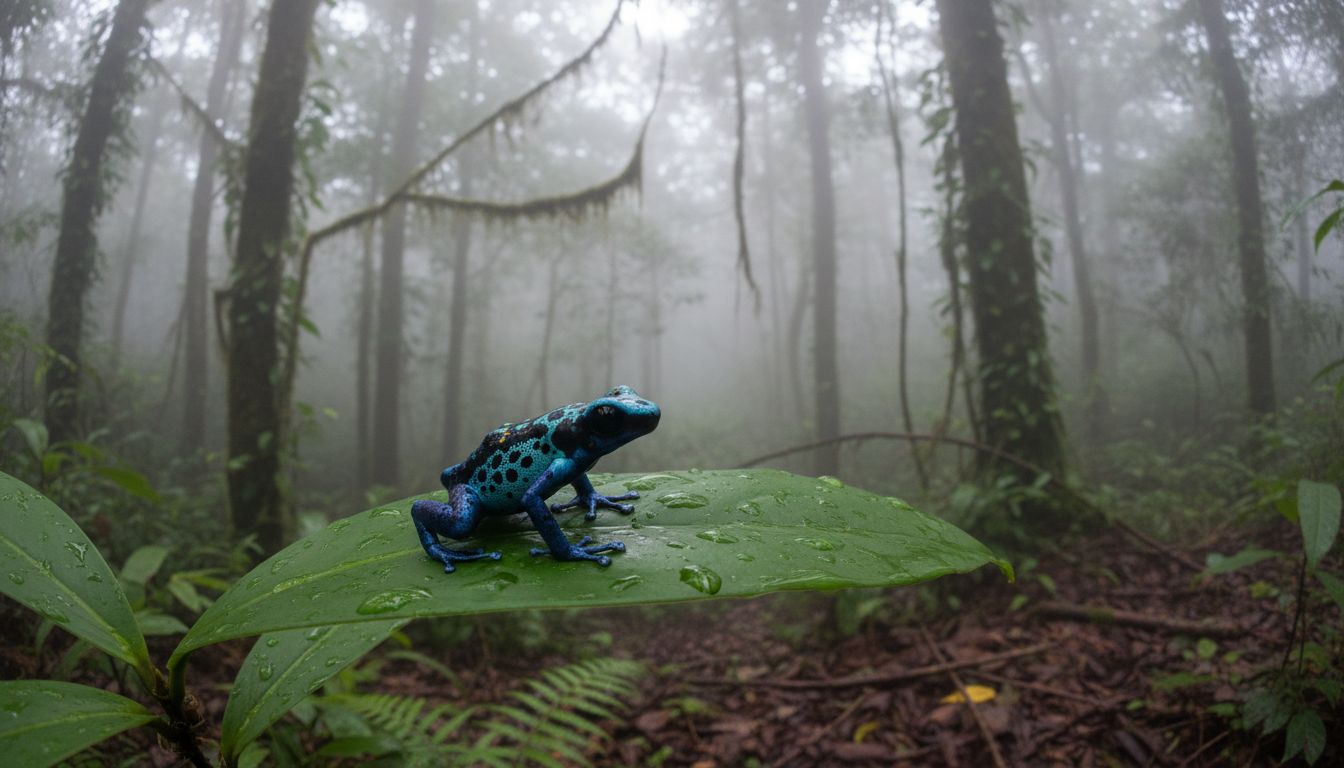
A small story has been circulating among nature watchers and locals alike: reports of a coin-sized poison frog discovered in the Paute Basin, not far from Cuenca. The frog has reportedly been given an informal name meaning something like 'bewildering,' a nod to its surprising size and the attention it has drawn from those who say they encountered it. This is not a scientific dispatch — it's a human-interest story about the kind of small, curious discovery that resonates with people living near Cuenca. It's worth noting upfront that specific details, including the frog's exact measurements, its formal species designation, and who may have found or documented it, remain unverified and should be treated as pending confirmation.
A Tiny Discovery in Ecuador's Backyard
Many observers note that stories like this one tend to spread quickly in a region already known for its biodiversity. The idea of a poison frog small enough to rest on a coin, carrying a nickname that translates to something like 'bewildering,' is the kind of detail that captures attention regardless of whether every scientific fact has been nailed down. For now, this remains a local-color story rather than a confirmed research finding, and readers should hold the specifics loosely until more concrete sourcing emerges.
Why the Paute Basin Matters to Cuenca's Expat Community
The Paute Basin reportedly sits close enough to Cuenca to function as a kind of ecological backyard for the city, part of a broader corridor said to support a wide range of plant and animal life. This proximity is part of why many expats are drawn to Cuenca in the first place: the promise of accessible hiking, nearby nature, and a sense of living alongside an ecosystem that is still being explored. A recurring theme among those who relocate to the area is the appeal of a place where the natural world feels close and alive, rather than distant or fully catalogued. Discoveries like this tiny frog, even when unconfirmed, reinforce that reputation — Cuenca as a destination surrounded by landscapes that continue to reveal surprises.
Poison Frogs and the Allure of the Unexpected
Poison frogs as a group are generally known for combining small size with striking coloration, traits that have long fascinated scientists and casual observers alike. A frog described as 'bewildering' fits neatly into that tradition of wonder. It's easy to see why such a creature would capture the imagination of newcomers to the region, even though the specific taxonomic details, publication venue, or formal naming process behind this particular frog remain unverified. The appeal here isn't really about scientific certainty; it's about the broader expat narrative of encountering unexpected, delightful surprises while adjusting to life abroad.
What This Means for Those Living Near Cuenca
For those who have made their home near Cuenca, stories like this one can become small threads in a larger sense of belonging. Local wildlife, even when only partially documented, tends to feed into how people relate to their adopted surroundings. Some expats may find themselves newly curious about nearby nature reserves, local guides, or informal community groups focused on wildlife watching, simply because a story like this put the region's biodiversity back on their radar. There's a quiet emotional appeal in living somewhere that new species might still be found — it suggests a kind of ongoing discovery that mirrors the expat experience itself. As always, specific facts about this frog should be treated as unconfirmed until clearer sourcing becomes available.
A Small Frog, A Bigger Reflection on Expat Life
In the end, a tiny, 'bewildering' frog in the Paute Basin matters less for its exact scientific details than for what it represents: a reminder that small discoveries can carry outsized meaning. For expats, stories like this are an invitation to look more closely at the landscapes they now call home, to stay curious about the conservation and scientific work quietly happening nearby, and to recognize that wonder doesn't require full verification to be meaningful. This piece is offered in that spirit — a human-interest reflection rather than a definitive scientific account — and a gentle nudge to keep noticing the small, strange, and delightful things that living near Cuenca can offer.