A Baby Buried With Its Pottery: What's Being Said About a Reported Find at Trapichillo, Catamayo
A Baby Buried With Its Pottery: What's Being Said About a Reported Find at Trapichillo, Catamayo
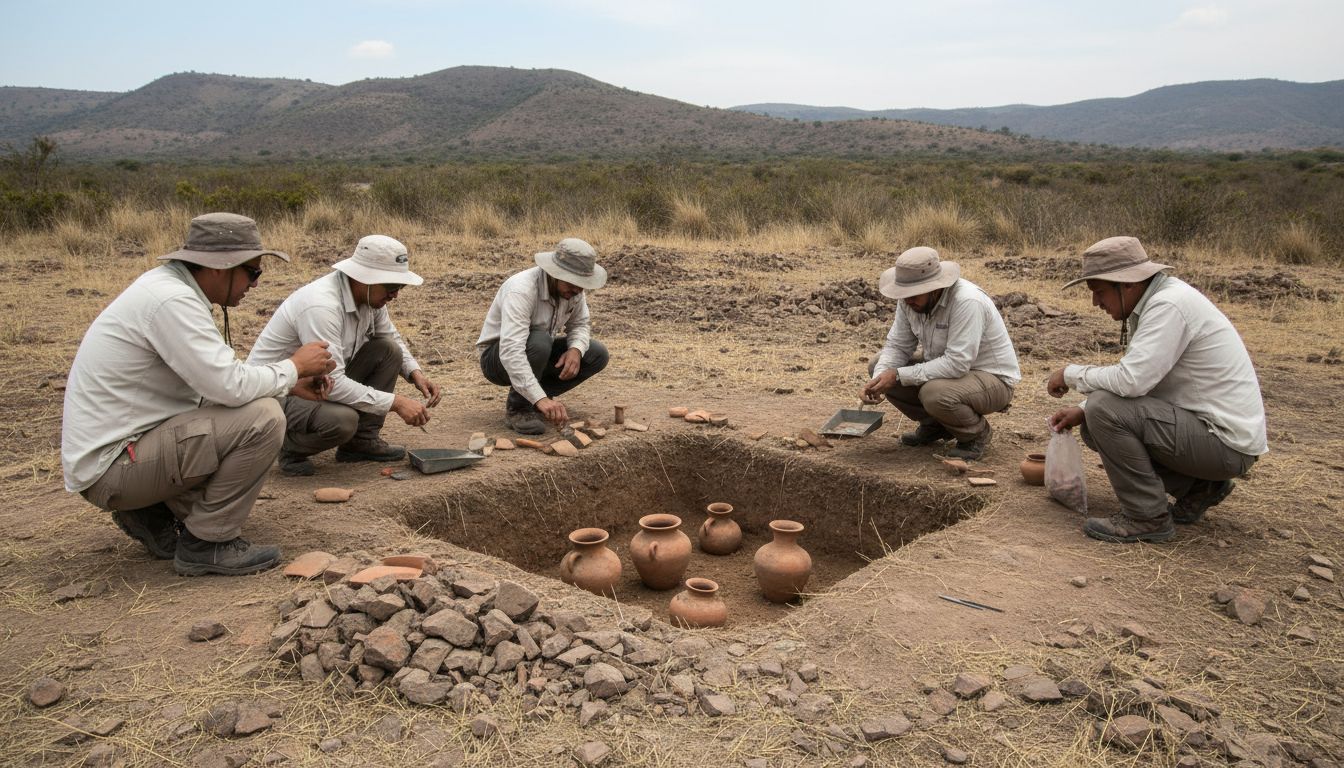
In the small locality of Trapichillo, part of Catamayo canton in Ecuador's Loja province, word has spread of an archaeological find: a reported infant burial accompanied by pottery vessels. As is often the case with local discoveries in rural Ecuador, this story has traveled primarily through word of mouth, community conversation, and local news mentions rather than through a formal, peer-reviewed report.
It's worth being upfront about what this article is and isn't. This is not a verified archaeological account. Details about such finds often circulate informally long before, or sometimes instead of, any official confirmation. Specific excavation details for this particular reported find at Trapichillo have not been independently verified at the time of writing.
A Discovery That Caught Local Attention
For expats and long-term foreign residents living in southern Ecuador, especially around Loja and the surrounding cantons, this is a familiar pattern. News of a notable find in a rural area tends to reach outsiders through neighbors, local radio, social media groups, or casual conversation at the market long before any institution issues a statement. Trapichillo appears to be no exception.
This piece treats the Trapichillo story as one of local and regional interest: a snapshot of the kind of discovery that generates curiosity and conversation in small Andean communities, rather than a confirmed scientific finding. Readers should keep that distinction in mind throughout.
What Is Being Reported
The general claim circulating is straightforward: the remains of an infant were found buried alongside pottery vessels. Burials that include grave goods, pottery in particular, are a recurring and well-documented theme across pre-Columbian Andean and coastal Ecuadorian archaeology more broadly. That broader pattern does not, however, confirm the age, cultural affiliation, or precise nature of this specific site.
At this stage, there is no confirmed publication, no named excavating institution, and no indication of peer review associated with the Trapichillo report. Early, informal accounts can sometimes get ahead of what has actually been verified, a recurring concern among those following such stories. Until an institutional source weighs in, details such as the burial's approximate age, the associated culture, or the pottery's style and period should be treated as unknown rather than assumed.
Why Loja and Catamayo Matter Archaeologically
Loja province sits in a region of Ecuador with a long and well-documented history of pre-Hispanic settlement. Southern Ecuador more generally has produced a range of archaeological finds over the decades, reflecting centuries of habitation by diverse groups long before the Spanish colonial period. This broader context helps explain why a reported find in a place like Trapichillo would draw local interest, even before any detailed analysis is available.
Archaeologists often look to burial goods, including pottery, as a way to infer cultural practices, trade connections, and chronological placement. Vessel shapes, decoration styles, and manufacturing techniques can sometimes help specialists suggest a rough time period or cultural tradition. None of that general methodology, though, should be read as an indication of what has or hasn't been determined about the Trapichillo find specifically.
What This Means for Expats and Curious Residents
Foreign residents living in or near Loja and Catamayo may well hear about discoveries like this one directly from neighbors, local guides, or community groups before any official word arrives. That's a normal part of life in smaller Ecuadorian communities, where local knowledge often travels faster than institutional communication.
For those genuinely curious about verifying details, a sensible first step is checking with Ecuador's Instituto Nacional de Patrimonio Cultural, known as the INPC, which oversees cultural heritage matters nationally, or reaching out to regional universities that may have anthropology or archaeology departments involved in fieldwork in the area. Local museums and community heritage groups can also be a useful and respectful point of contact for updates.
It's also worth encouraging a measure of cultural sensitivity here. Discoveries involving human remains, particularly those of an infant, deserve to be approached with respect rather than sensationalism. Expats interested in local archaeology are often welcomed by community organizations and museums, but that interest is best expressed through genuine engagement rather than speculation about unverified details.
Caveats and What Remains Unknown
To be clear: no dating, cultural attribution, or excavating institution has been confirmed for this reported find at Trapichillo. This article is a narrative overview built around a topic of local and expat interest, not a verified archaeological account, and it should not be treated as one.
Readers are encouraged to treat all specific details mentioned here, and any that may circulate elsewhere, as provisional. Should the INPC, a university, or another authoritative body issue a formal statement or publication about this find, that would represent a meaningful step toward understanding what was actually uncovered at Trapichillo and what it might mean for the archaeological record of Loja province.