A 17-Year Hunt Finds 63 Reptile and Amphibian Species in Guayaquil, One Unseen Since 1868
A 17-Year Hunt Finds 63 Reptile and Amphibian Species in Guayaquil, One Unseen Since 1868
Guayaquil is not typically the first place that comes to mind when people imagine a biodiversity hotspot. Ecuador's largest city sprawls across the coast, its edges pressing into remnant dry forests, mangrove-fringed estuaries, and patchwork wetlands that many residents pass without a second glance. Yet according to reports circulating about a long-running survey effort, those overlooked margins have quietly sheltered dozens of reptile and amphibian species, some rarely documented and one reportedly unseen for over a century and a half.
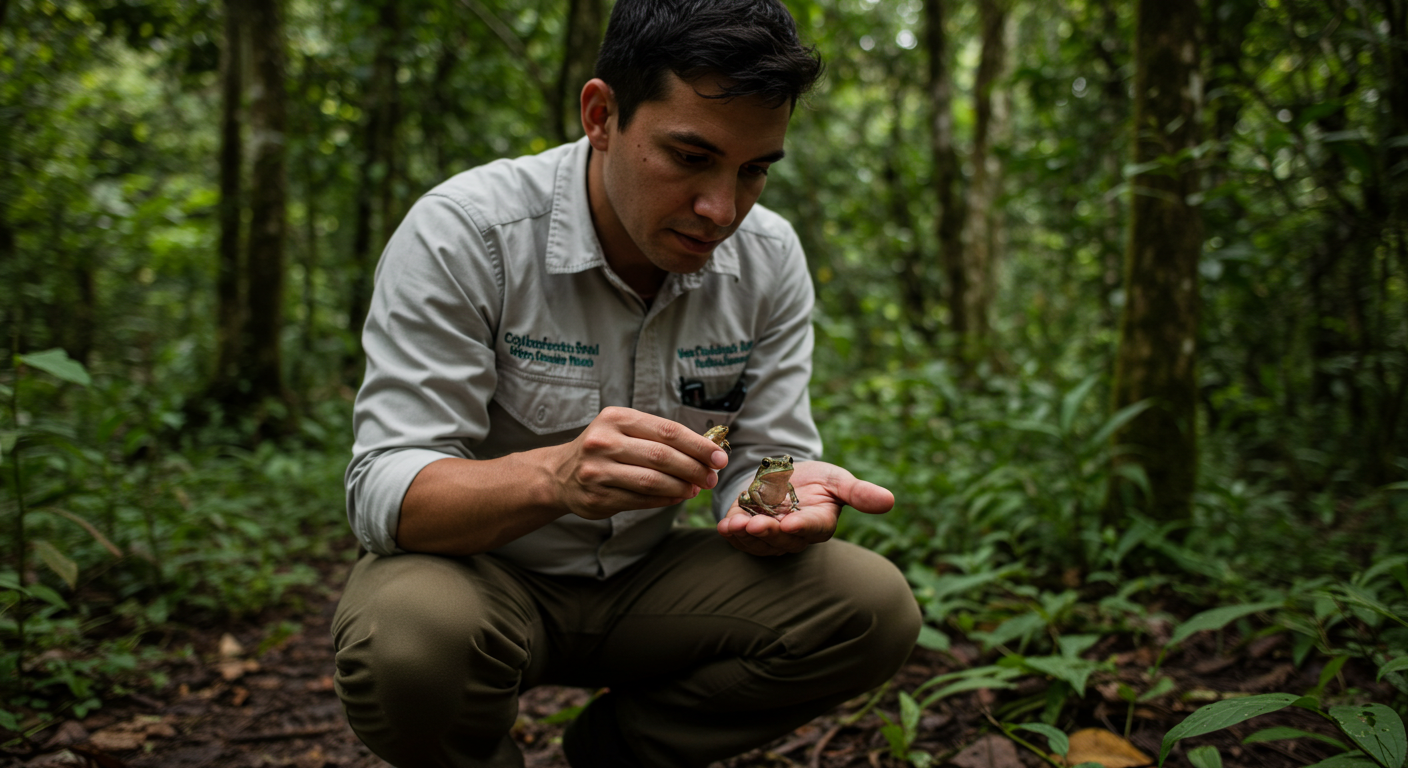
The hook of this story is its duration: a 17-year search said to have culminated in the documentation of 63 species of reptiles and amphibians in and around Guayaquil. That kind of timeline is unusual, and it raises an obvious question for anyone following the expat and foreign-resident community in Ecuador: who undertook this work, and why did it take so long? At this stage, specific details about the individual or team behind the effort remain unconfirmed, and any claims about their identity, credentials, or institutional affiliation should be treated cautiously until corroborated by verifiable sources.
The Long Search: What the Survey Reportedly Involved
Sustained fieldwork of this scale isn't accomplished in a single expedition. Long-term herpetological surveys typically require repeated seasonal visits, careful habitat mapping, and the kind of patience that only comes from returning to the same wetlands, forest edges, and riverbanks year after year. Reptiles and amphibians are notoriously difficult to document consistently; many species are seasonal, nocturnal, or highly localized, meaning a single rainy season's fieldwork can miss species entirely.
Whether this particular effort was driven by an academic institution, a citizen-science initiative, or an independent naturalist with a personal fascination for the region's herpetofauna isn't yet clear. Each of these possibilities would shape the story differently. An academic-led survey would likely involve published methodology and peer review, while an independent or citizen-driven effort might rely more on personal record-keeping and informal networks. Without verified sourcing on methodology or institutional backing, these remain open questions rather than settled facts.
A Ghost Reappears: The Species Unseen Since 1868
Perhaps the most striking element of this reported discovery is the claim that one species had not been documented since 1868. A gap of that length carries significant weight in the natural sciences. It can suggest a species presumed extinct, one so rare or cryptic that it evaded detection for generations, or simply a historical lack of sustained survey attention in the habitats where it persisted.
If accurate, a rediscovery after more than 150 years would carry both emotional and scientific resonance. For researchers, it would raise questions about where the species has been hiding and why previous surveys missed it. For anyone with a connection to the region, it would offer a striking reminder that even well-studied areas can hold surprises. That said, the identity of this species and the details of how its rediscovery was validated remain unconfirmed pending credible sourcing, and readers should treat this element of the story as a claim awaiting corroboration rather than an established fact.
Why This Resonates as an Expat Story
Stories of long-term foreign residents forming deep, patient bonds with the landscapes of their adopted countries are a recurring thread in expat narratives. If this survey was led, even partly, by an expat or foreign researcher, it would fit naturally into that tradition: a multi-decade personal or collaborative commitment to understanding the overlooked wildlife of a city many might dismiss as purely urban and industrial.
Such a project, if confirmed, could reflect themes of integration, dedication, and cross-cultural collaboration between foreign researchers and local communities, institutions, or fellow naturalists. There's a compelling human-interest angle in imagining someone dedicating 17 years to walking the same forest paths and wetland edges of a city they came to call home. However, without confirmed sourcing on who actually conducted this work, this framing should be understood as an angle worth exploring rather than a settled narrative.
What Remains Unknown
Several key questions remain unresolved. The identity of the researcher or researchers involved has not been established through verifiable sources. There is no confirmed publication or institutional validation available to substantiate the survey's methodology, timeline, or full species list. The specific taxonomic identity of the species said to be unseen since 1868 is likewise unconfirmed.
Until these details are corroborated, ideally through a published study, an institutional statement, or a direct interview with those involved, this story should be treated as a set of intriguing but unverified claims. Future confirmation of these details would allow for a fuller, more precise account of both the survey's scientific significance and its human story.
Closing Reflection: Guayaquil's Hidden Biodiversity
Regardless of the unresolved details, the broader theme here is a familiar and compelling one: biodiversity often persists in plain sight, tucked into the urban and peri-urban margins that get little attention from residents and visitors alike. The image of a species reappearing after more than 150 years of apparent absence is a powerful one, a reminder that the natural world can hold onto its secrets far longer than we might expect.
Whether or not every detail of this particular survey is eventually confirmed, it invites a broader question worth sitting with: what else might be quietly waiting to be rediscovered in the overlooked corners of the cities and landscapes we think we already know?