77 Years Ago This Week, an Earthquake Erased Pelileo — Ecuador Rebuilt the Whole Town Somewhere Else
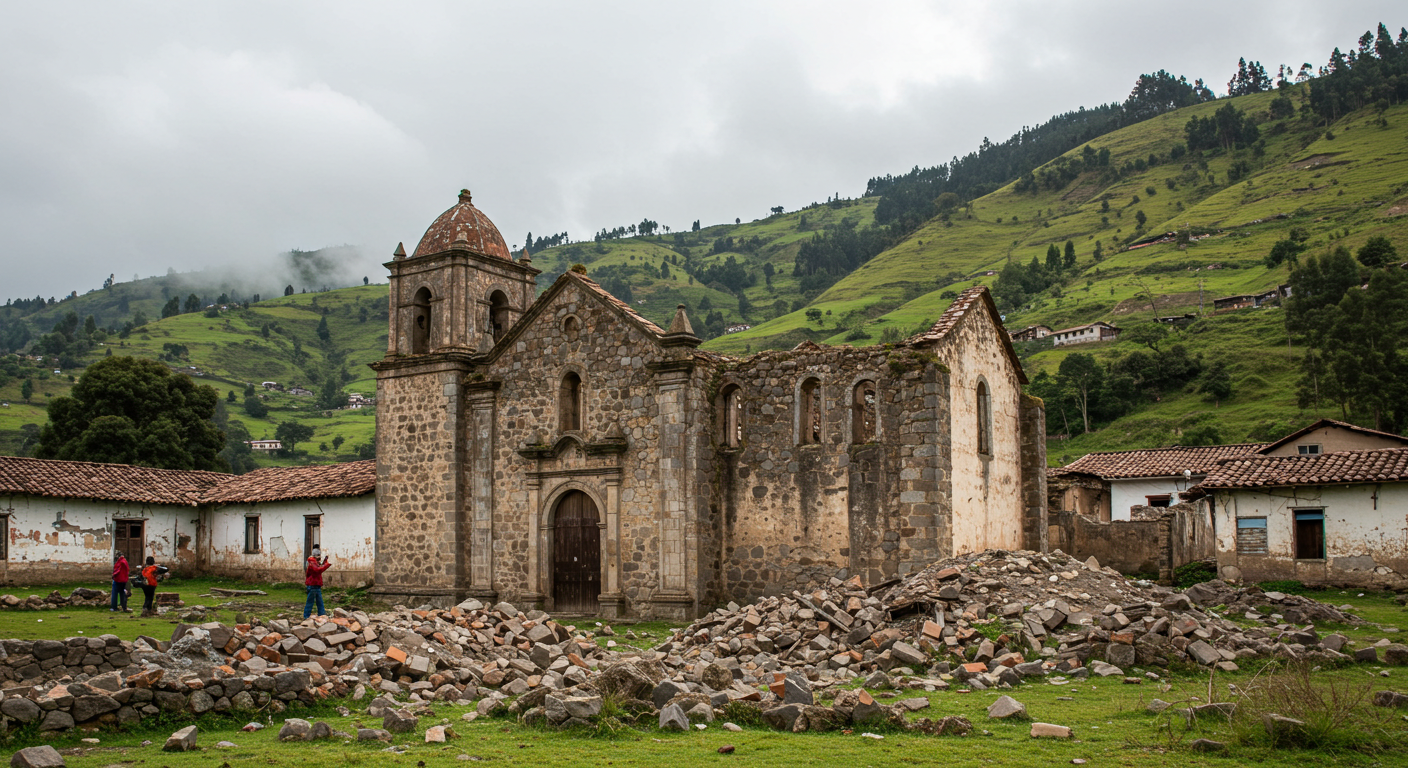
77 Years Ago This Week, an Earthquake Erased Pelileo — Ecuador Rebuilt the Whole Town Somewhere Else
Somewhere in the folds of Tungurahua province's history lies a story many expats living in Ecuador's central highlands have never quite heard in full: a town destroyed so thoroughly that it had to be rebuilt somewhere else entirely. This week marks the anniversary of that event, and it's worth pausing to consider what happened to Pelileo — and why the decision to relocate rather than rebuild still shapes the landscape today.
A Town Erased in Seconds
On August 5, 1949, a powerful earthquake struck Ecuador's central highlands, an event historically known as the Ambato earthquake. Pelileo, in Tungurahua province, was among the hardest-hit towns. Estimates of the death toll across the affected region vary widely, with figures ranging from roughly 3,000 to more than 6,000 — a spread that reflects the chaos of the disaster and the difficulty of counting casualties across a wide rural area. These numbers should be treated as approximate until confirmed against verified historical or geological records.
What seems clear is that the destruction in Pelileo was severe enough that rebuilding directly on the original site was never seriously considered. The scale of the collapse reportedly left much of the town's foundation and surrounding terrain unstable.
Why Rebuild Somewhere Else?
According to the historical account that has circulated locally and in broader Ecuadorian history, authorities and residents concluded that Pelileo's original site was no longer safe for reconstruction. Rather than rebuild atop compromised ground, they decided to relocate the town to a new, nearby location.
The specifics of who made this decision, how it was reached, and over what timeframe remain points that would benefit from confirmation through historical archives or academic sources. What is generally understood is that this relocation stands as a notable example of post-disaster urban planning in Ecuador's history — a rare case where an entire community was re-founded elsewhere rather than reconstructed in place.
Pelileo Nuevo: A Town Reborn
The new town, often called Pelileo Nuevo, was established near the original site, though the exact distance and precise timeline of its founding are details that require further sourcing. Over the following decades, Pelileo Nuevo grew into the town many residents and visitors recognize today, known in more recent times for its textile and denim industry.
A recurring theme in local memory is one of resilience — a community that, faced with total destruction, chose to start fresh rather than attempt an uncertain rebuild. The exact contours of that story, though, are best confirmed through dedicated historical research rather than assumed from general recollection.
Pelileo Viejo: Ruins as Memory
The original town site, sometimes called Pelileo Viejo, was largely left in ruins after the earthquake. Locally, this site functions as something of a historical marker — a physical reminder of what was lost and why the town moved on.
Whether the site today hosts organized commemorative events, informal visits, or simply exists as a quiet ruin known mostly to longtime residents is something that would benefit from on-the-ground verification. Many expats in the region may find that local residents have their own oral accounts of Pelileo Viejo that go beyond what is easily found in written records.
Why This Story Matters for Expats in Ecuador
For those living in or visiting Tungurahua province, Pelileo's history offers a window into how Ecuadorian communities have responded to natural disaster — not merely by rebuilding, but by reimagining where and how a community continues. This pattern of adaptation and resilience runs through much of Ecuador's highland history, from volcanic activity near Baños to seismic events across the Andean region.
Expats exploring the area may encounter traces of this history in local place names, in conversations with longtime residents, or through day trips to see what remains of the old town site. As with much of Ecuador's regional history, though, the richest and most accurate understanding tends to come from engaging directly with local historians, museums, or long-established residents rather than relying on secondhand accounts alone.
A Note on Sourcing and Verification
This article was drafted without access to external sources, and several key facts should be treated as provisional pending further research. In particular, the death toll figures, the exact distance and date associated with Pelileo's relocation, and the specific details of how the decision to rebuild elsewhere was made all require confirmation from historical, geological, or journalistic sources before being treated as settled fact.
Readers with a deeper interest in this history are encouraged to consult Ecuadorian historical archives, geological surveys of the 1949 earthquake, or local accounts from Tungurahua province for a more complete and verified picture.