Why Ultra-Processed Foods Are So Addictive (And How to Handle Them When Dining Out)
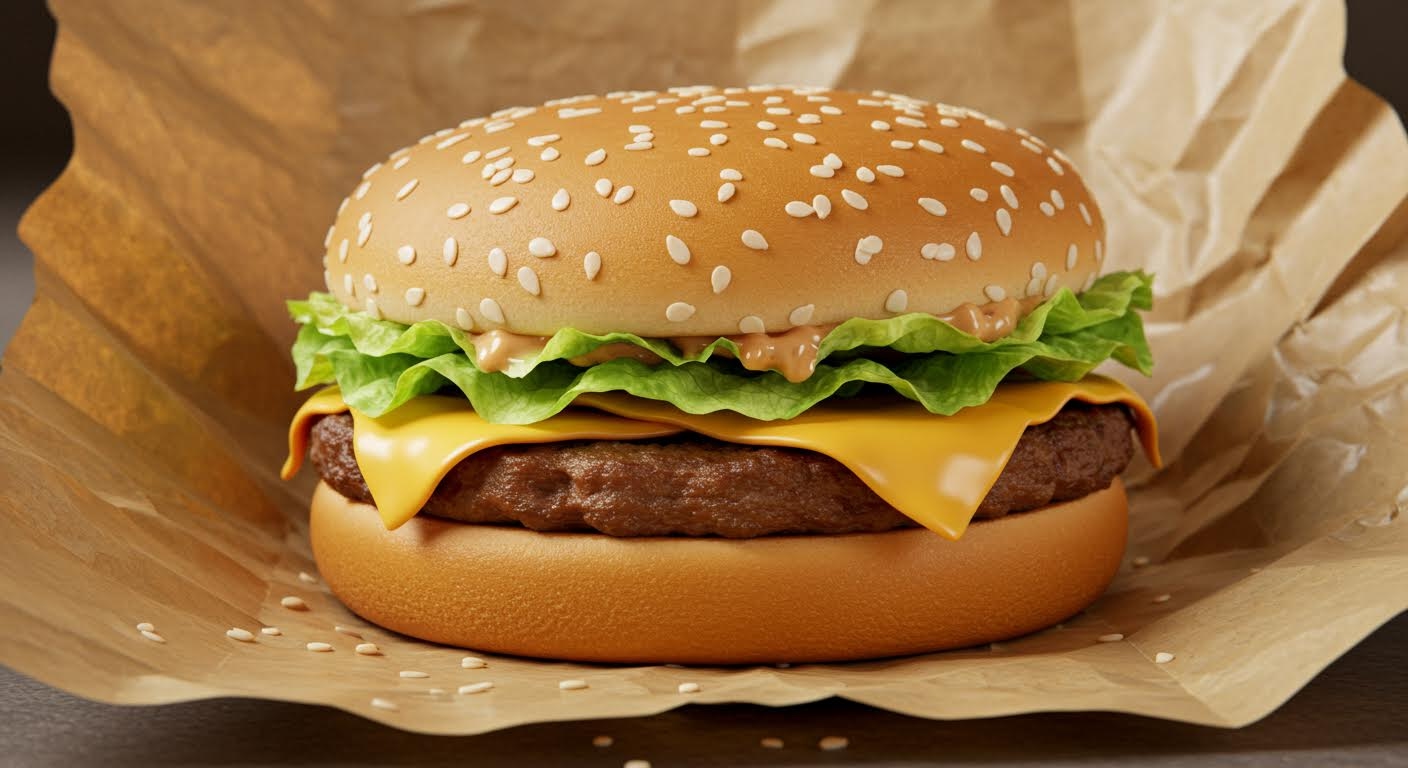
Ever wonder why you can demolish an entire bag of chips but barely finish a bowl of plain rice? The answer lies in the sophisticated engineering behind ultra-processed foods – industrial creations specifically designed to be irresistible to your brain and taste buds.
What Makes Ultra-Processed Foods Different
Ultra-processed foods are industrial formulations packed with ingredients you'd never find in your home kitchen. Unlike minimally processed foods like frozen vegetables or canned beans, these products contain emulsifiers, preservatives, artificial flavors, colors, and other additives designed to enhance taste, texture, and shelf life.
We're not just talking about cookies and candy here. Common ultra-processed foods include packaged breads, breakfast cereals, flavored yogurts, instant soups, chicken nuggets, and most fast food items. When dining out, you'll find them in everything from chain restaurant entrees to seemingly healthy options like flavored salads with processed dressings and toppings.
The key difference? While home cooking might use salt, oil, and herbs to enhance flavor, ultra-processed foods rely on laboratory-created compounds that can intensify taste far beyond what natural ingredients achieve.
The Science Behind Food Addiction
Food scientists have mastered what's called hyperpalatability – the precise combination of salt, sugar, fat, and additives that makes foods almost impossible to resist. These combinations trigger dopamine release in your brain's reward center, the same neurotransmitter involved in other addictive behaviors.
Research shows that ultra-processed foods can literally hijack your brain's reward system. The intense flavors and specific ratios of taste compounds activate pleasure pathways more powerfully than whole foods ever could. This creates a cycle where your brain craves these intense flavor experiences, making natural foods seem bland by comparison.
Most problematic? Ultra-processed foods bypass your natural satiety signals – those internal cues that tell you when you've had enough. The combination of specific textures, flavors, and chemical additives can override the hormonal signals that normally help you regulate food intake.
Why You Can't Stop Eating Them
Studies show people consume an average of 500 more calories per day when eating ultra-processed foods compared to unprocessed alternatives. This isn't about willpower – it's the result of careful food engineering.
These foods are designed to be consumed quickly, often with soft textures requiring minimal chewing. This rapid eating pace means your satiety signals don't have time to kick in before you've consumed far more calories than you need. The high calorie density packed into each bite makes this effect even worse.
Chemical additives and flavor enhancers further intensify cravings. Compounds like monosodium glutamate (MSG) and various artificial flavors can make foods taste more satisfying than they actually are, leaving you wanting more even after you're physically full.
Spotting Ultra-Processed Foods When Dining Out
When dining out, ultra-processed foods are everywhere, often hiding in plain sight. Most fast food and chain restaurant offerings rely heavily on pre-made, processed components. That grilled chicken might be injected with sodium solutions and preservatives, while the "fresh" salad dressing likely contains emulsifiers and artificial flavors.
Even seemingly healthy menu items can be loaded with processed ingredients. Smoothies might contain processed protein powders and artificial flavors, while "artisanal" sandwiches often use bread packed with preservatives and dough conditioners.
Packaged snacks, sodas, and processed beverages available at restaurants represent some of the most ultra-processed options available. These items are specifically formulated to encourage overconsumption and create cravings for more.
Smart Strategies for Dining Out
While completely avoiding ultra-processed foods when dining out can be tough, you can make strategic choices to minimize their impact. Look for menu items that emphasize whole ingredients and simple preparations – grilled meats, steamed vegetables, and dishes described with basic cooking methods rather than proprietary sauces and seasonings.
Managing cravings starts with awareness. When you feel that familiar urge to keep eating despite feeling satisfied, recognize it as a sign that you're likely consuming hyperpalatable foods. Try eating more slowly and checking in with your hunger levels throughout the meal.
Don't hesitate to ask servers about food preparation. Questions like "Is this made fresh in-house?" or "What's in the marinade?" can help you identify dishes with fewer processed components. Many restaurants are happy to put dressings and sauces on the side, letting you control how much you consume.
Remember, the goal isn't perfection but awareness. Understanding how ultra-processed foods are designed to override your natural eating signals can help you make more informed choices and develop a healthier relationship with food, whether you're at home or dining out.