Why Portion Size Matters More Than Calories When Dining Out
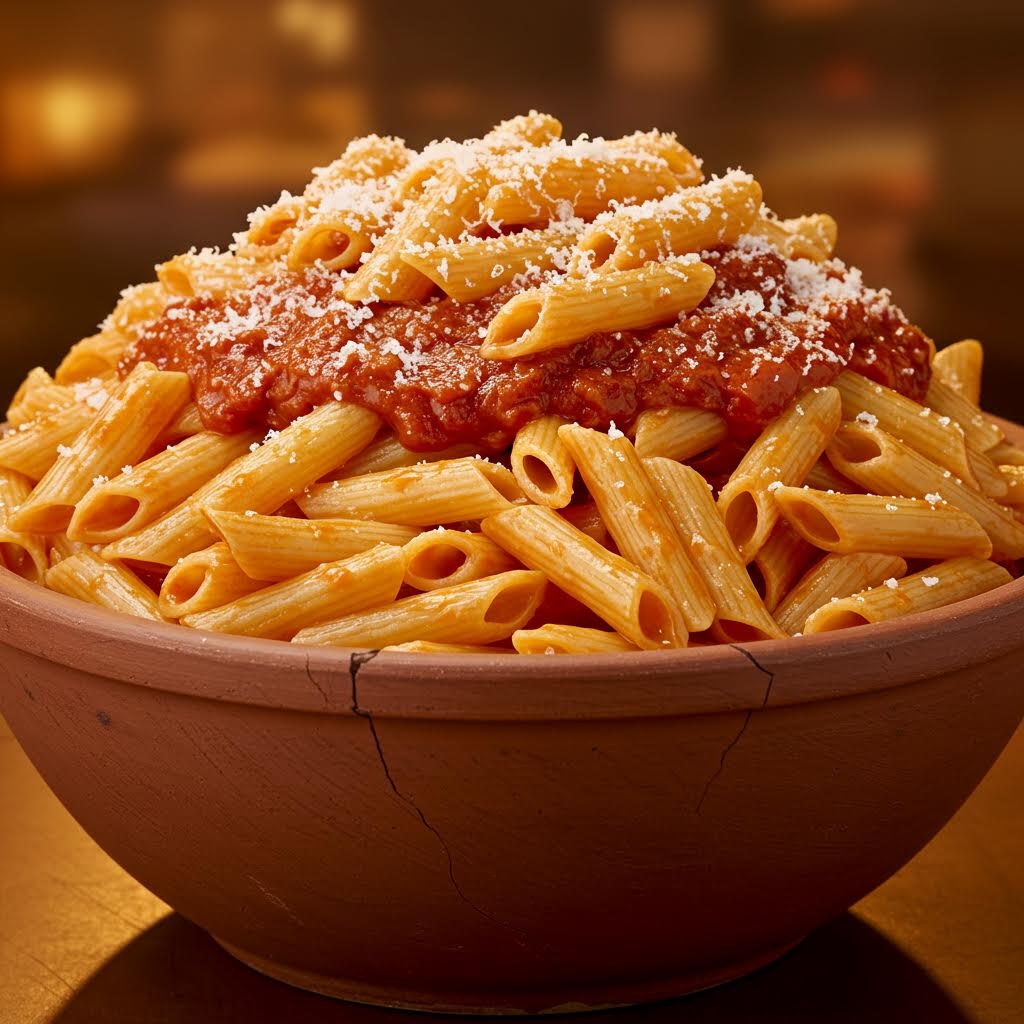
When dining out, most people focus on calories listed on menus, but there's a more important factor that influences eating habits and overall health: portion size. Learning to manage portions can be far more effective than strict calorie counting for maintaining a healthy relationship with food.
The Hidden Problem with Restaurant Portions
Restaurant portions have grown dramatically over the past three decades. What we consider normal today would have been considered excessive just a generation ago. This gradual increase has created a disconnect between what restaurants serve and what nutrition experts recommend as appropriate portion sizes.
Our brains struggle to recognize appropriate portions in dining settings, especially when presented with oversized plates and generous servings. The visual cues we rely on to gauge satisfaction become distorted when every meal arrives as what would traditionally be multiple servings.
The Psychology Behind Portion Control
Plate size and visual presentation play crucial roles in how satisfied we feel after eating. Larger plates make even generous portions appear smaller, while smaller plates can make modest portions feel more substantial. This optical illusion directly impacts our perception of fullness and satisfaction.
Eating speed significantly affects our body's natural satiety signals. When we eat quickly, we often consume more food before our brain receives the message that we're satisfied. This is particularly important in restaurant settings where social dining and engaging conversations can either slow us down beneficially or distract us from recognizing fullness cues.
Portion awareness offers advantages over strict calorie counting because it's more intuitive and sustainable. Rather than calculating numbers, portion control helps develop a natural sense of appropriate food amounts that can be applied consistently across different dining situations.
Portion Size vs. Serving Size: Know the Difference
Understanding the distinction between portion size and serving size is essential for healthy dining. Official serving size recommendations from nutrition guidelines often differ significantly from restaurant portions. A single restaurant entrée might contain two to three recommended servings of protein, grains, or other food groups.
Visual guides can help estimate proper portions when dining out. For example, a palm-sized amount typically represents an appropriate protein serving, while a cupped hand approximates a suitable portion of grains or starches. These reference points remain consistent regardless of plate size or restaurant presentation.
Smart Strategies for Managing Restaurant Portions
Pre-planning can make portion management much easier. Consider sharing meals with dining companions or asking servers about half-portion options when available. Many restaurants are willing to accommodate these requests, especially during lunch hours.
The "divide and conquer" approach works well with oversized entrées. Mentally or physically divide your plate in half when it arrives, setting aside a portion for later before you begin eating. This prevents the tendency to clean your plate simply because food is present.
Creating balanced, appropriately-sized meals using appetizers and sides can be more satisfying than tackling a single large entrée. This approach also allows you to sample more flavors while maintaining better portion control.
Mindful Eating Techniques That Work
Slowing down during meals allows your body's natural satiety cues to function properly. It takes approximately 20 minutes for your brain to register fullness, so pacing your dining experience gives these signals time to develop.
The 20-minute rule can be practically applied by putting your fork down between bites, engaging in conversation, and taking time to appreciate the flavors and textures of your food. This natural pacing often results in feeling satisfied with less food.
Focus on creating satisfaction through variety and balanced flavors rather than volume. A meal that includes different tastes, textures, and colors tends to feel more complete and satisfying than a large portion of similar foods, even when the total amount is smaller.
By shifting focus from calorie counting to portion awareness, dining out becomes more enjoyable while supporting long-term healthy eating habits. These strategies work because they align with how our bodies naturally regulate food intake, making them sustainable approaches to restaurant dining.