Why Freshness Matters More Than Expiration Dates When Dining Out
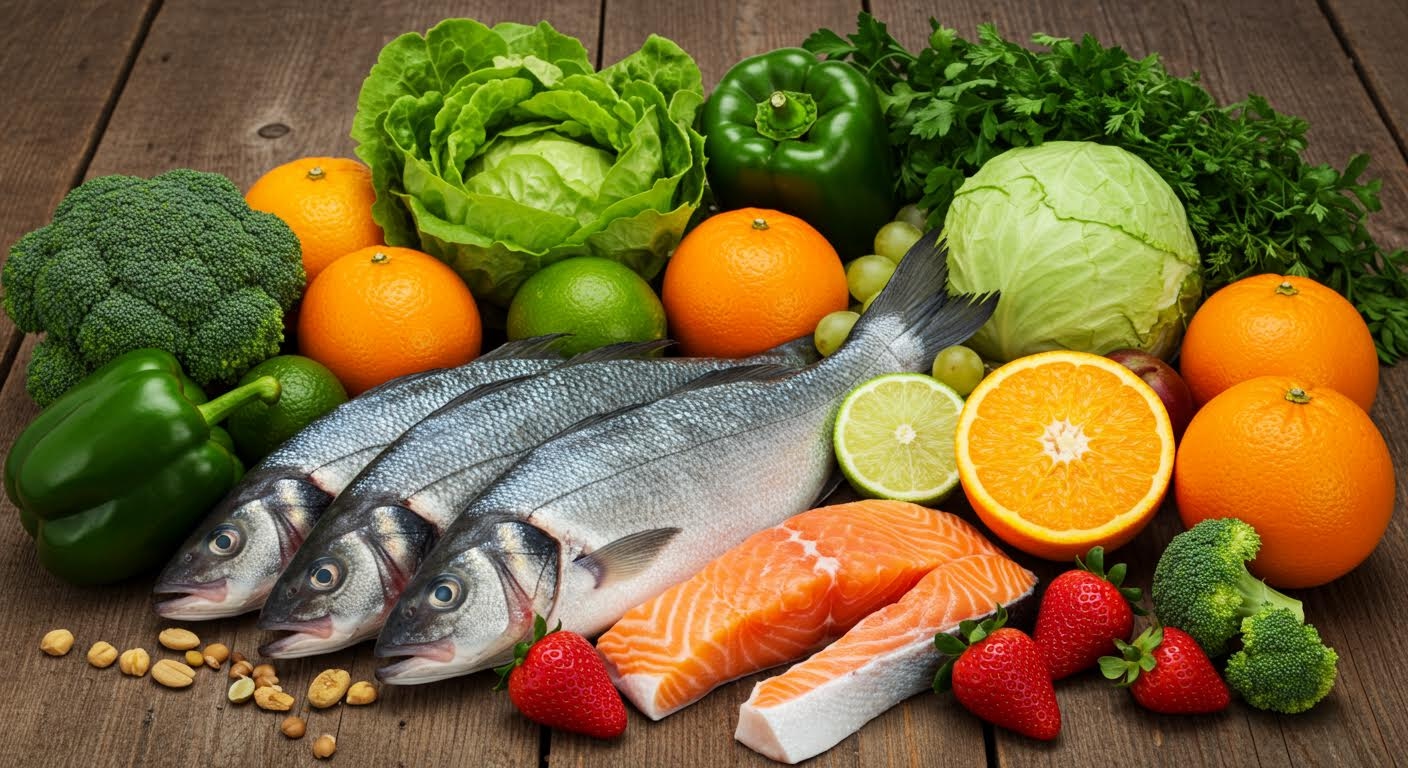
Walk into any professional kitchen, and you'll notice something interesting: chefs rarely glance at expiration dates when evaluating ingredients. Instead, they rely on their senses and experience to determine true freshness. This approach, grounded in both science and practicality, can transform how you think about food quality when dining out or cooking at home.
Understanding Date Labels vs. Actual Freshness
The confusion around food dates starts with understanding what those labels actually mean. "Sell by," "use by," and "best before" dates serve different purposes, and none are federally regulated expiration dates for most foods. These dates are primarily quality indicators set by manufacturers, not safety deadlines.
Manufacturers typically determine these dates through taste panels and laboratory testing, but they often err on the conservative side for legal protection and brand reputation. This creates a significant gap between when food reaches its peak quality and when it becomes unsafe to consume. The result? Millions of pounds of perfectly good food get discarded annually based on arbitrary dates rather than actual condition.
Understanding this distinction helps both consumers and food service professionals make informed decisions about food quality while minimizing waste.
The Science of Food Freshness Assessment
True freshness assessment relies on sensory evaluation techniques that food scientists have refined over decades. Visual indicators provide your first line of assessment: fresh foods maintain consistent color, while spoilage often announces itself through discoloration, mold growth, or texture changes like wilting or sliminess.
Your sense of smell offers perhaps the most reliable freshness indicator. Off-odors, rancidity, or unexpected fermentation smells signal deterioration well before safety becomes compromised. Our sense of smell evolved specifically to detect food spoilage, making it more reliable than printed dates.
Texture changes tell their own story about freshness. Fresh produce feels firm and crisp, while proteins maintain their characteristic texture. When foods become slimy, mushy, or unusually dry, they're signaling quality loss that may or may not coincide with printed dates.
Taste serves as the final freshness check, though you should only use it after visual and smell assessment suggests the food is safe. Professional tasters can detect subtle flavor changes that indicate declining quality long before food becomes unsafe.
Category-Specific Freshness Guidelines
Different food categories require tailored freshness assessment approaches. Dairy products like milk and yogurt often remain safe and tasty well beyond their printed dates when properly stored, though texture and taste changes become apparent as quality declines. Hard cheeses, in particular, can last significantly longer than their dates suggest.
Proteins demand more careful evaluation due to safety considerations. Fresh meat maintains bright color and firm texture, while poultry should feel firm with no off-odors. Seafood requires the most stringent freshness standards, with clear eyes, bright red gills, and ocean-fresh smell serving as key indicators.
Produce evaluation focuses on distinguishing ripeness from spoilage. Many fruits and vegetables reach optimal eating quality after their peak visual appearance, while others deteriorate rapidly. Learning these patterns helps you identify when produce offers maximum flavor and nutrition.
Pantry staples like grains, canned goods, and condiments typically maintain quality and safety well beyond printed dates when stored properly. These shelf-stable items rarely pose safety risks, making sensory evaluation primarily about quality rather than safety.
Professional Kitchen Practices You Can Apply
Restaurant kitchens operate on freshness principles that prioritize quality assessment over date adherence. Professional cooks conduct daily ingredient evaluations, checking deliveries and existing inventory for optimal quality regardless of printed dates.
The FIFO (First In, First Out) rotation system ensures older ingredients get used before newer ones, but quality assessment determines actual usage decisions. A newer ingredient showing signs of deterioration gets discarded while an older ingredient in perfect condition continues service.
Temperature control plays a crucial role in maintaining actual freshness. Professional kitchens maintain precise temperature zones that can extend or preserve true freshness well beyond what printed dates might suggest. Proper refrigeration, freezing, and storage techniques often matter more than purchase dates.
Experienced kitchen staff develop instincts about when to trust sensory evaluation over printed dates. This skill comes from understanding how different foods deteriorate and recognizing the difference between quality decline and safety concerns.
Making Smart Freshness Decisions
Developing confidence in sensory evaluation requires practice and understanding basic food science. Start with low-risk foods like produce and dairy, where quality changes are obvious and safety margins are generous. Build your skills gradually while maintaining appropriate caution with higher-risk proteins.
Balancing food safety with waste reduction involves understanding which foods pose genuine safety risks versus quality concerns. Most spoilage is about taste and texture rather than safety, especially with properly stored shelf-stable and refrigerated items.
Storage techniques that extend true freshness include proper temperature control, moisture management, and protection from light and air exposure. These factors often influence actual freshness more than the number of days since purchase or printed expiration dates.
Knowing when to strictly follow expiration dates versus when flexibility is safe requires understanding food categories and your personal risk tolerance. Infant formula, for example, requires strict date adherence, while many other foods allow sensory-based evaluation.
The key lies in developing the same confidence professional cooks demonstrate daily: trusting your trained senses while maintaining appropriate safety awareness. This approach leads to better food experiences, reduced waste, and more informed dining decisions.