Why Ecuadorian Food Is Healthier Than You Might Expect
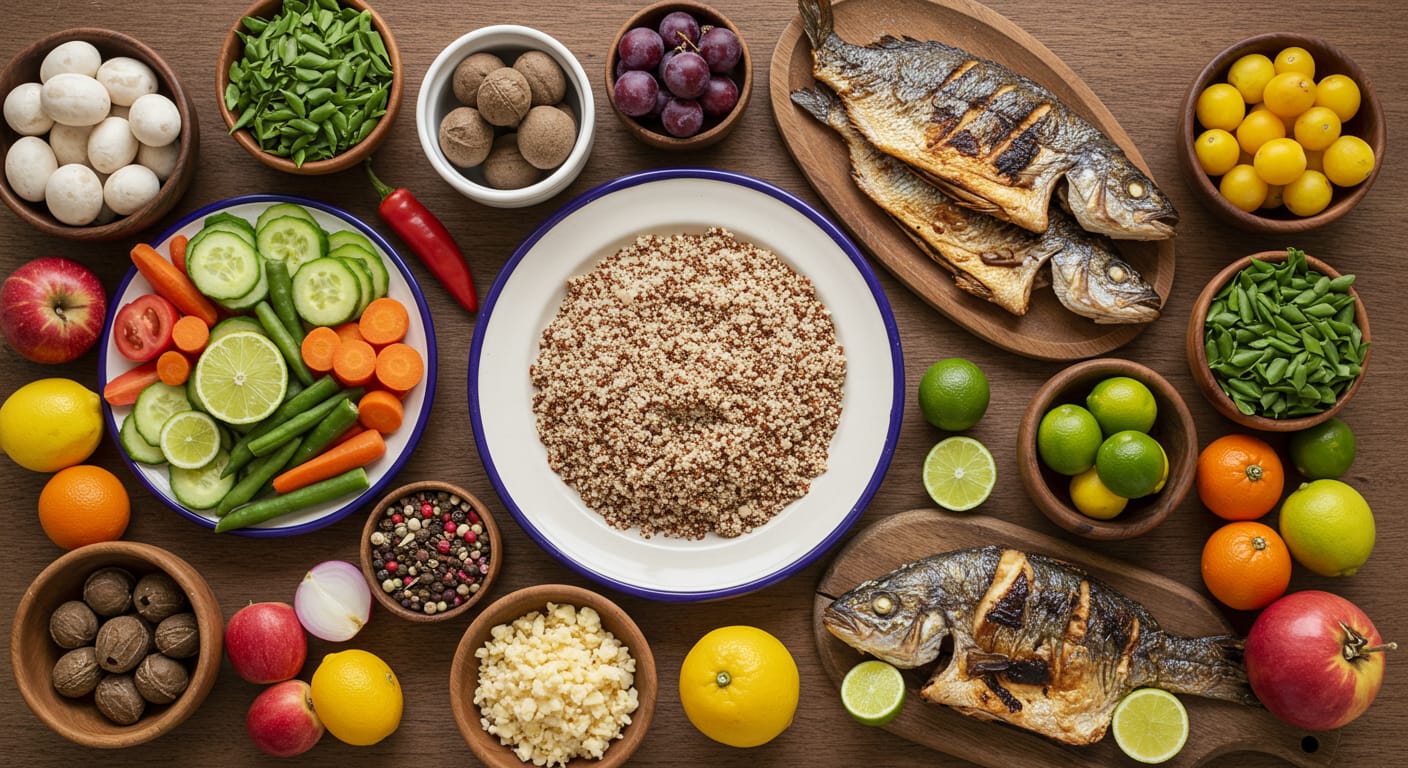
When most people think of Latin American cuisine, images of heavy, fried foods often come to mind. But traditional Ecuadorian food tells a completely different story. This South American nation's unique geography—spanning Pacific coastline, Andean peaks, and Amazon rainforest—has created a culinary tradition that's surprisingly aligned with what nutritionists recommend today.
Ecuador's diverse landscape has blessed its cuisine with nutrient-dense ingredients that have sustained indigenous populations for thousands of years. From protein-packed ancient grains to antioxidant-rich superfoods, traditional Ecuadorian cooking offers health benefits that put many Western diets to shame.
Ancient Grains: The Protein Powerhouses
At the heart of Ecuadorian nutrition lies quinoa, revered by indigenous peoples as the "mother grain." This ancient seed contains all nine essential amino acids, making it a complete protein that rivals meat in nutritional value. Unlike many Western protein sources, quinoa is naturally gluten-free and provides steady energy without blood sugar spikes.
Amaranth, another Ecuadorian staple, offers similar benefits with high protein content plus essential minerals like iron, magnesium, and phosphorus. These grains have been cultivated in the Andes for over 4,000 years, with traditional preparation methods like toasting and slow cooking that maximize their nutritional punch.
Compare this to processed Western alternatives like white rice or refined wheat—the ancient grains deliver superior nutrition with higher fiber, more vitamins, and better mineral absorption. The traditional Ecuadorian practice of combining these grains with legumes creates nutritionally complete meals that support optimal health.
Coastal Treasures: Fresh Seafood and Omega-3 Benefits
Ecuador's extensive Pacific coastline provides access to some of the world's freshest seafood. Traditional coastal cuisine emphasizes preparation methods that preserve maximum nutritional value, particularly the heart-healthy omega-3 fatty acids often missing from Western diets.
Take ceviche, perhaps Ecuador's most famous dish. By "cooking" fresh fish in citrus acids rather than heat, ceviche preserves delicate omega-3s and vitamins that would be lost through traditional cooking. The addition of onions, cilantro, and peppers provides extra antioxidants and compounds that support heart health.
Research from the American Heart Association shows that regular consumption of omega-3-rich seafood reduces inflammation, improves brain function, and lowers heart disease risk. Ecuador's emphasis on fresh, locally-caught fish delivers these benefits naturally—no supplements required.
Antioxidant-Rich Indigenous Ingredients
Long before cacao became associated with processed chocolate bars, indigenous Ecuadorians recognized it as a powerful superfood. Traditional cacao preparations retain high levels of flavonoids and antioxidants that support heart health and brain function. Ecuador produces some of the world's finest cacao varieties, with antioxidant levels far exceeding commercial chocolate products.
Purple corn, chia seeds, and other traditional ingredients pack additional antioxidant power. These foods contain anthocyanins and other compounds that protect against cellular damage and chronic disease. Traditional methods like fermenting and minimal processing actually boost the bioavailability of these beneficial compounds.
According to nutrition research published in Smithsonian Magazine, the high antioxidant content of traditional Ecuadorian ingredients supports the body's natural defense systems and may help prevent age-related diseases. This natural approach shows how indigenous food wisdom anticipated many modern nutritional discoveries.
Fiber-Rich Staples: Plantains, Yuca, and Root Vegetables
Traditional Ecuadorian starches offer superior nutrition compared to processed grain products common in Western diets. Plantains, yuca (cassava), and other root vegetables provide complex carbohydrates with high fiber content that supports digestive health and helps regulate blood sugar.
These traditional starches have a lower glycemic impact than refined grains, providing sustained energy without the crashes associated with processed foods. The high fiber content supports heart health by helping lower cholesterol levels and improve cardiovascular function.
Traditional cooking methods like boiling, steaming, and roasting preserve nutritional integrity while making nutrients more bioavailable—a sharp contrast to industrial processing that strips away beneficial compounds.
The Whole Foods Advantage
Perhaps the greatest health advantage of traditional Ecuadorian cuisine lies in its reliance on whole, minimally processed ingredients. Traditional cooking emphasizes seasonal, locally-sourced foods prepared using techniques passed down through generations.
This approach naturally limits exposure to artificial additives, preservatives, and excessive sodium that characterize many processed Western foods. Traditional preservation methods like sun-drying and fermentation actually enhance nutritional value while extending shelf life naturally.
The indigenous food wisdom embedded in Ecuadorian cuisine creates naturally balanced meals combining proteins, healthy fats, complex carbohydrates, and micronutrients in optimal proportions. This holistic approach supports overall health without requiring complex dietary rules or restrictions.
Putting It Into Practice: Finding Healthy Ecuadorian Options
When dining at Ecuadorian restaurants, look for dishes emphasizing traditional ingredients and preparation methods. Grilled or steamed fish preparations, quinoa-based dishes, and vegetable-heavy soups typically offer the best nutritional bang for your buck.
Some of the healthiest traditional dishes to try include locro (a hearty soup with cheese and potatoes), grilled fish with plantains, and quinoa salads with fresh vegetables. Skip heavily fried preparations or overly Americanized dishes, as these won't deliver traditional nutritional benefits.
For home cooking, consider incorporating Ecuadorian ingredients like quinoa, plantains, and fresh herbs into your regular meal rotation. Many traditional Ecuadorian techniques—steaming vegetables, preparing fresh salsas—can boost the nutritional value of any cuisine.