Why Ecuadorian Food Is Healthier Than You Might Expect
Why Ecuadorian Food Is Healthier Than You Might Expect
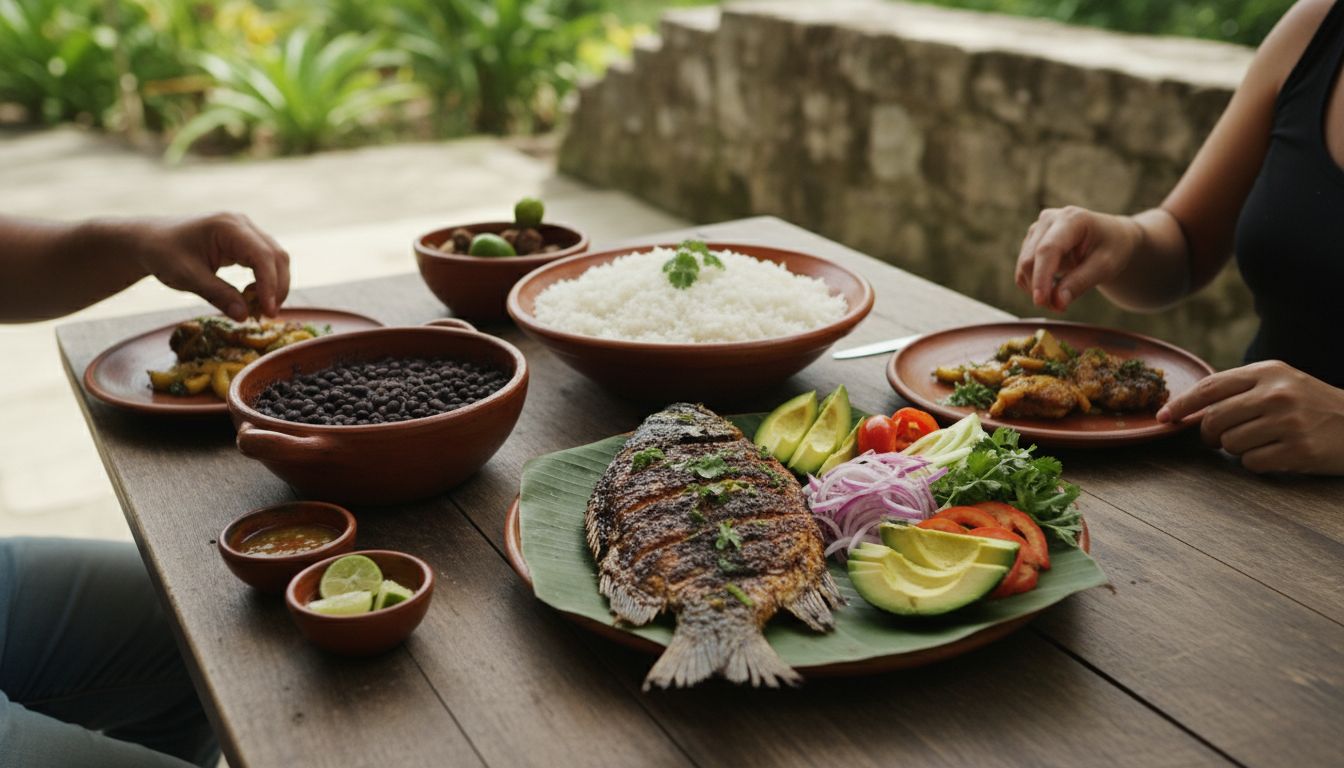
Latin American cuisine often gets lumped into a single stereotype: fried, heavy, and calorie-dense. But that generalization overlooks the enormous diversity found within the region—and Ecuador offers one of the clearest examples of why the assumption doesn't hold up. Thanks to its unusual geography, which spans Pacific coastline, high Andean peaks, and Amazonian rainforest, Ecuador has developed a cuisine built largely around fresh, whole-food ingredients rather than deep-fried or heavily processed dishes. Understanding this regional variety helps explain why Ecuadorian food often looks quite different from broader perceptions of Latin American cooking.
Rethinking Assumptions About Latin American Cuisine
The idea that Latin American food is uniformly heavy or fried tends to flatten a wide range of culinary traditions into one image. In reality, countries across the region draw on vastly different climates, crops, and cooking methods. Ecuador is a particularly strong example of this diversity, since its coastal, Andean, and Amazonian zones each contribute distinct ingredients and preparation styles. Rather than a single national dish, Ecuadorian cuisine is really a collection of regional food cultures shaped by geography.
Coastal Ecuador: Seafood Without the Fryer
Along Ecuador's Pacific coast, seafood is central to daily cooking, and much of it is prepared in ways that don't involve heavy oil or frying. Ceviche—seafood marinated in citrus juices rather than cooked with heat—is one of the region's defining dishes. This citrus-based preparation lets fresh fish, shrimp, and shellfish remain the star of the dish, offering lean protein without the added fat that comes from deep frying. Relying on raw or citrus-marinated seafood, rather than battered and fried preparations, is one of the clearest contrasts to the stereotype of heavy Latin American fare.
Andean Staples: Quinoa, Grains, and Root Vegetables
Move inland to Ecuador's highlands, and the diet shifts toward grains, legumes, and root vegetables suited to high-altitude farming. Quinoa, native to the Andean region, is often highlighted as a standout ingredient: it's a complete protein, meaning it contains all nine essential amino acids, and it's also rich in fiber. Potatoes and other root vegetables, long staples of highland diets, contribute additional fiber and micronutrients. Combined with legumes, these ingredients form a nutritionally balanced foundation for many traditional Andean meals.
Amazonian Influence: Fruits and Fresh Produce
Ecuador's Amazonian region adds yet another dimension to the country's food culture, contributing an impressive range of fruits and produce not commonly found elsewhere. The biodiversity of the rainforest supports fruits rich in vitamins and antioxidants, along with root vegetables unique to the region. This variety encourages naturally nutrient-dense eating patterns, since many of these fruits and vegetables are consumed fresh rather than processed or heavily sweetened.
Common Threads Across Ecuadorian Cooking
Despite their differences, Ecuador's coastal, Andean, and Amazonian culinary traditions share a common reliance on minimally processed, whole ingredients. Traditional meals frequently balance protein, fiber, and fresh produce rather than centering on fried or heavily processed components. This is a meaningful contrast to some other cuisines—both within and outside Latin America—that lean more heavily on deep frying or processed ingredients as staples.
Why This Matters for Diners
For diners unfamiliar with Ecuadorian food, understanding this regional variety can reshape expectations when eating out. Rather than assuming a menu will be dominated by fried options, it helps to look for dishes rooted in a specific region's traditions—ceviche from the coast, quinoa-based dishes from the highlands, or fruit-forward plates influenced by the Amazon. Recognizing these patterns makes it easier to identify traditionally lighter, nutrient-dense options. Ultimately, it's geography and tradition—not stereotypes—that define the health profile of Ecuadorian cuisine.