Why Ecuadorian Food Is Healthier Than You Might Expect
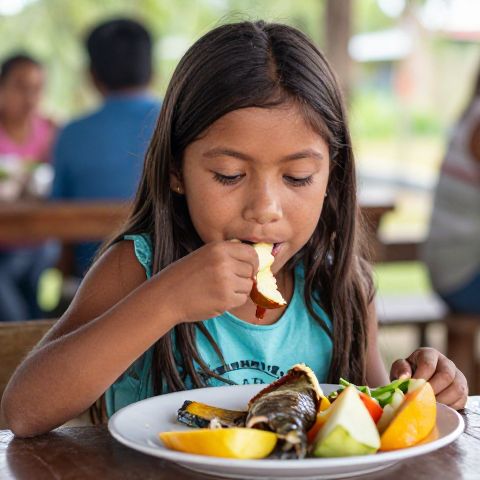
When most people think of Latin American cuisine, they often picture heavy, fried foods loaded with cheese and meat. But Ecuadorian food tells a completely different story. This small South American country sits at the intersection of incredible biodiversity, ancient agricultural wisdom, and traditional cooking methods that create one of the world's most naturally nutritious cuisines.
Ecuador's unique position straddling the equator gives it access to an extraordinary range of climates and ecosystems—from coastal waters to Andean peaks to Amazon rainforest. This geographic diversity translates directly into a food culture built around fresh, nutrient-dense ingredients that have sustained indigenous populations for thousands of years.
The Superfood Foundation: Indigenous Ingredients
Long before quinoa became a trendy health food in Western markets, it was a dietary staple throughout the Ecuadorian Andes. This ancient grain deserves its superfood reputation as a complete protein, containing all nine essential amino acids your body needs. Unlike most plant-based proteins, quinoa provides a nutritional profile comparable to animal proteins while being naturally gluten-free.
Amaranth, another indigenous grain common in Ecuadorian cooking, offers similar benefits with high levels of protein, fiber, and minerals like iron and magnesium. These grains often appear in traditional soups, stews, and side dishes, providing sustained energy and complete nutrition.
Chia seeds, now recognized globally for their omega-3 fatty acids and fiber content, have been used in Ecuadorian beverages and puddings for generations. When combined with the region's fresh fruits, these seeds create naturally nutritious drinks that support digestive health and provide long-lasting energy.
Fresh from Three Worlds: Geographic Diversity
Ecuador's three distinct regions each contribute unique nutritional advantages to the national cuisine. The coastal region provides an abundance of fresh seafood rich in omega-3 fatty acids, including corvina, shrimp, and various shellfish that form the base of ceviches and seafood stews.
The Andean highlands contribute an incredible variety of potatoes—Ecuador grows over 400 varieties—along with other root vegetables like yuca and sweet potatoes. These provide complex carbohydrates, vitamins, and minerals while being naturally free from processed additives.
The Amazon basin offers exotic fruits high in antioxidants, such as camu camu—one of the richest natural sources of vitamin C—along with açaí and dragon fruit. Traditional Amazonian ingredients also include unique proteins like river fish and game meats that are lean and nutrient-dense.
Traditional Cooking Methods That Preserve Nutrition
Ecuadorian cooking techniques have evolved to maximize both flavor and nutritional value. Steaming and slow-cooking methods, common in dishes like humitas (steamed corn cakes) and sancocho (hearty stews), help retain water-soluble vitamins that are often lost in high-heat cooking.
Fermentation plays an important role in traditional food preparation, creating natural probiotics that support digestive health. Chicha, a fermented corn beverage, and fermented yuca preparations introduce beneficial bacteria while breaking down complex carbohydrates for easier digestion.
Many traditional recipes rely on natural seasonings and herbs with medicinal properties. Cilantro, cumin, achiote, and various native herbs not only add flavor but also provide antioxidants and anti-inflammatory compounds that support overall health.
Antioxidant and Anti-Inflammatory Powerhouses
Ecuadorian cuisine naturally incorporates foods high in disease-fighting compounds. The country's tropical fruits, including passion fruit, guava, and papaya, provide exceptional levels of vitamin C and antioxidants that support immune function.
Purple corn, used in traditional beverages and desserts, contains anthocyanins—the same compounds that give blueberries their superfood status. These pigments have been linked to reduced inflammation and improved cardiovascular health according to various nutritional studies.
Traditional herbs and spices common in Ecuadorian cooking, such as oregano, garlic, and various native plants, provide natural anti-inflammatory effects. Regular consumption of these ingredients as part of a balanced diet may help reduce the risk of chronic diseases.
Whole Foods Over Processed: A Cultural Advantage
One of Ecuadorian cuisine's greatest health advantages lies in its emphasis on fresh, minimally processed ingredients. Traditional meals center around whole grains, fresh vegetables, lean proteins, and fruits, with very little reliance on packaged or heavily processed foods.
This whole-food approach naturally results in lower sodium intake compared to typical processed foods, while providing higher levels of fiber, vitamins, and minerals. Traditional Ecuadorian meals often achieve excellent macronutrient balance without requiring careful calculation—the combination of grains, legumes, vegetables, and proteins creates naturally complete nutrition.
The cultural preference for fresh ingredients also means higher levels of key nutrients that degrade during processing and storage. Fruits and vegetables consumed at peak ripeness provide maximum vitamin content and flavor.
Finding Authentic Ecuadorian Food
When seeking healthy Ecuadorian cuisine, look for restaurants that emphasize traditional preparation methods and fresh ingredients. Authentic establishments often feature dishes like quinoa soup, grilled fish with plantains, lentil stews, and fresh fruit-based beverages.
Key indicators of authentic, healthy preparation include visible use of whole grains, fresh herbs, and minimal frying. Traditional dishes like locro (potato and cheese soup with indigenous grains), encebollado (fish and yuca soup), and various quinoa-based preparations showcase the cuisine's nutritional strengths.
Don't hesitate to ask about ingredients and preparation methods. Restaurants proud of their traditional techniques are usually happy to discuss their use of indigenous grains, fresh seafood, and traditional seasonings that make Ecuadorian cuisine both delicious and remarkably healthy.