Why Ecuadorian Food Is Healthier Than You Might Expect
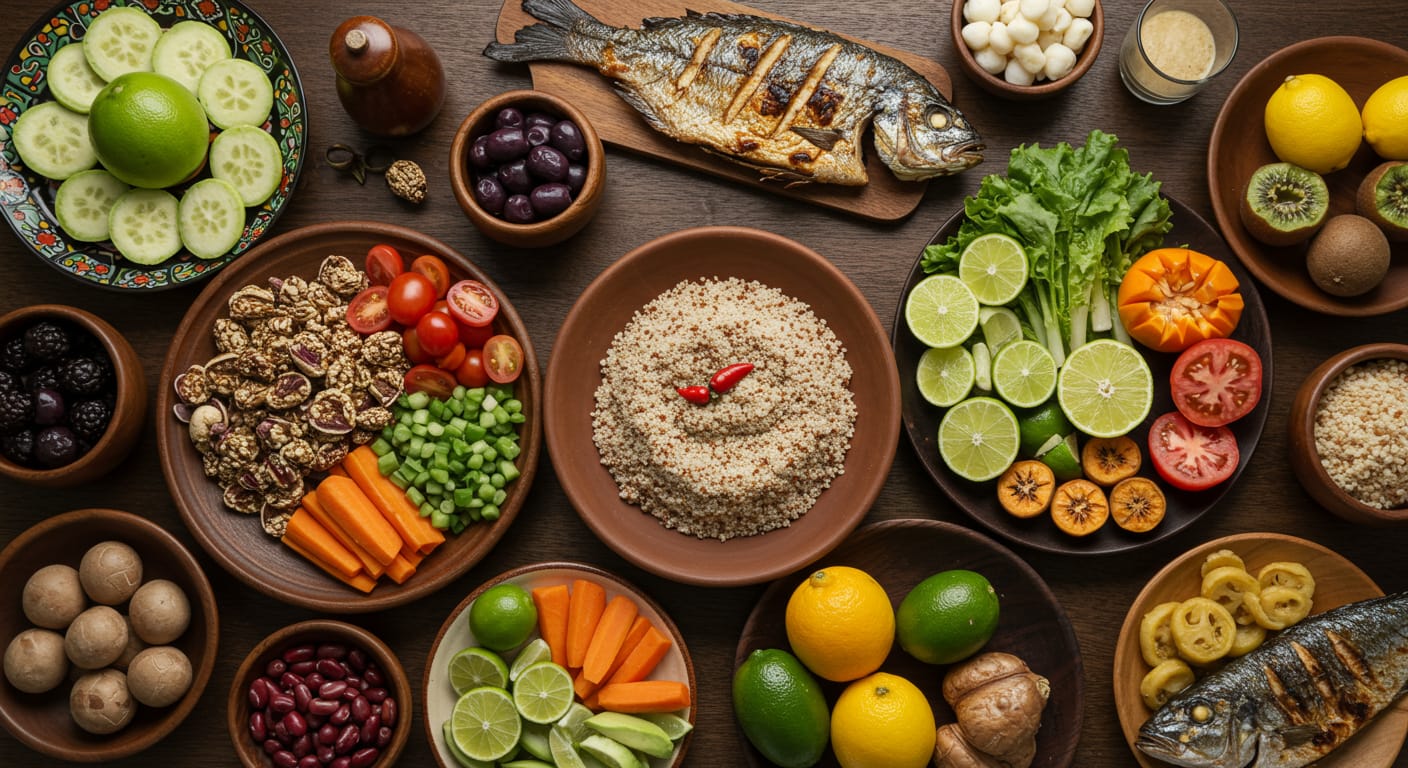
When most people think of Latin American cuisine, they picture heavy, fried foods loaded with cheese and meat. While these dishes certainly exist, this perception completely misses some of the world's most naturally healthy food traditions. Ecuador's incredible geography—spanning Pacific coastline, towering mountains, and lush Amazon rainforest—has created a cuisine that accidentally follows many principles nutritionists recommend today.
Ancient Grains That Put Superfoods to Shame
The foundation of Ecuadorian cooking rests on ingredients that modern nutrition science is just catching up to. Take quinoa, native to the Andean highlands. This humble grain delivers all nine essential amino acids your body can't make on its own—making it as complete a protein as steak or eggs, but without any saturated fat.
Quinoa isn't working alone, though. Amaranth, another ancient grain you'll find in traditional recipes, matches quinoa's protein power while packing serious amounts of iron, magnesium, and phosphorus. Then there are the potatoes—over 400 varieties grow in Ecuador, each with its own nutritional profile. Purple potatoes burst with anthocyanins (the same antioxidants that make blueberries famous), while golden varieties deliver eye-healthy carotenoids.
Don't overlook the more unusual tubers either. Oca contains more vitamin C than oranges, while mashua naturally helps regulate blood sugar levels. These aren't exotic health food store finds—they're everyday ingredients in traditional Ecuadorian kitchens.
Three Regions, Perfect Nutritional Balance
Most cuisines need global trade to achieve nutritional balance, but Ecuador gets it naturally thanks to its diverse geography. The coast delivers omega-3-rich seafood and vitamin-packed tropical fruits. Fish like corvina and langostino provide lean protein and healthy fats, while fruits like naranjilla and guanábana offer antioxidants researchers are still studying.
Up in the Sierra highlands, those ancient grains team up with beans and lentils to create complete nutritional profiles. Mountain-adapted vegetables like melloco and zambo thrive in harsh conditions, developing concentrated nutrients and fiber that help your body function at its best.
The Amazon contributes the most exotic pieces: pure cacao, acai-like palm fruits, and medicinal plants indigenous communities have relied on for centuries. These rainforest ingredients often contain unique compounds you literally cannot find anywhere else on Earth.
Cooking Methods That Actually Keep Food Healthy
Here's where Ecuadorian cuisine really shines: traditional cooking methods preserve nutrients instead of destroying them. Steaming beats boiling for most vegetables, which means all those water-soluble vitamins like vitamin C stick around instead of disappearing into cooking water you'll throw away.
Traditional recipes also go light on added fats. Instead of drowning everything in oil, Ecuadorian cooking lets natural flavors shine through herbs and spices. When oils do appear, they're used sparingly for quick sautéing rather than deep frying.
Even grain processing stays gentle. Stone-grinding methods maintain fiber content and prevent the heat damage that destroys vitamin E and healthy fats in industrial processing. Some traditional beverages and preparations use fermentation, creating beneficial probiotics for gut health.
Whole Foods Before They Were Trendy
Traditional Ecuadorian cuisine accidentally follows every principle modern nutritionists preach: whole, minimally processed ingredients form the backbone of every meal. This wasn't originally about health—it was pure practicality in a country where processed foods were expensive and hard to find outside cities.
Natural preservation through drying, salting, and fermentation replaced artificial additives. Flavor came from fresh herbs, local spices, and ingredients that actually tasted like something, not from chemical enhancers or excessive salt.
This practical approach created eating patterns that perfectly match current dietary guidelines: lots of vegetables, reasonable amounts of lean protein, complex carbohydrates from whole grains, and virtually no processed junk.
The Health Benefits You'll Actually Notice
All these traditional practices add up to real health advantages you can feel. The high fiber from whole grains, legumes, and vegetables keeps your digestive system happy and prevents blood sugar spikes. This can be huge for managing or preventing type 2 diabetes.
Plant-based proteins from quinoa, amaranth, and beans let you cut back on red meat without sacrificing protein quality. Your heart will thank you, and you'll get minerals that meat-heavy diets often miss.
The rainbow of fruits and vegetables ensures you're getting antioxidants from every part of the spectrum, supporting your immune system and potentially protecting against chronic diseases. Because the diet is naturally diverse, you're less likely to develop the nutritional gaps that plague more limited eating styles.
Traditional preparations are also naturally lower in sodium than processed foods, which helps keep blood pressure in check.
What to Order for Maximum Health Benefits
When you're dining out, look for restaurants emphasizing traditional preparation methods and indigenous ingredients. Quinoa soup, locro de papa (a hearty potato soup), and simply grilled fish with yuca showcase healthy cooking at its finest.
Focus on menu items featuring whole grains, plenty of vegetables, and traditional proteins like seafood or modest amounts of lean meat. Skip heavily fried dishes or anything that seems designed for American palates—these are less likely to reflect authentic nutritional wisdom.
Expect reasonable portion sizes focused on variety and balance rather than sheer volume. This approach naturally supports healthy eating patterns without leaving you feeling deprived.
Ecuadorian cuisine's health benefits aren't just marketing hype—they're the result of thousands of years of adaptation to diverse environments and indigenous food wisdom. In our world of processed foods and nutritional confusion, Ecuador's traditional cuisine offers a delicious roadmap for eating that actually nourishes your body.