Legumes, Quinoa and Soup: The Parts of Ecuadorian Cooking Doing the Nutritional Work
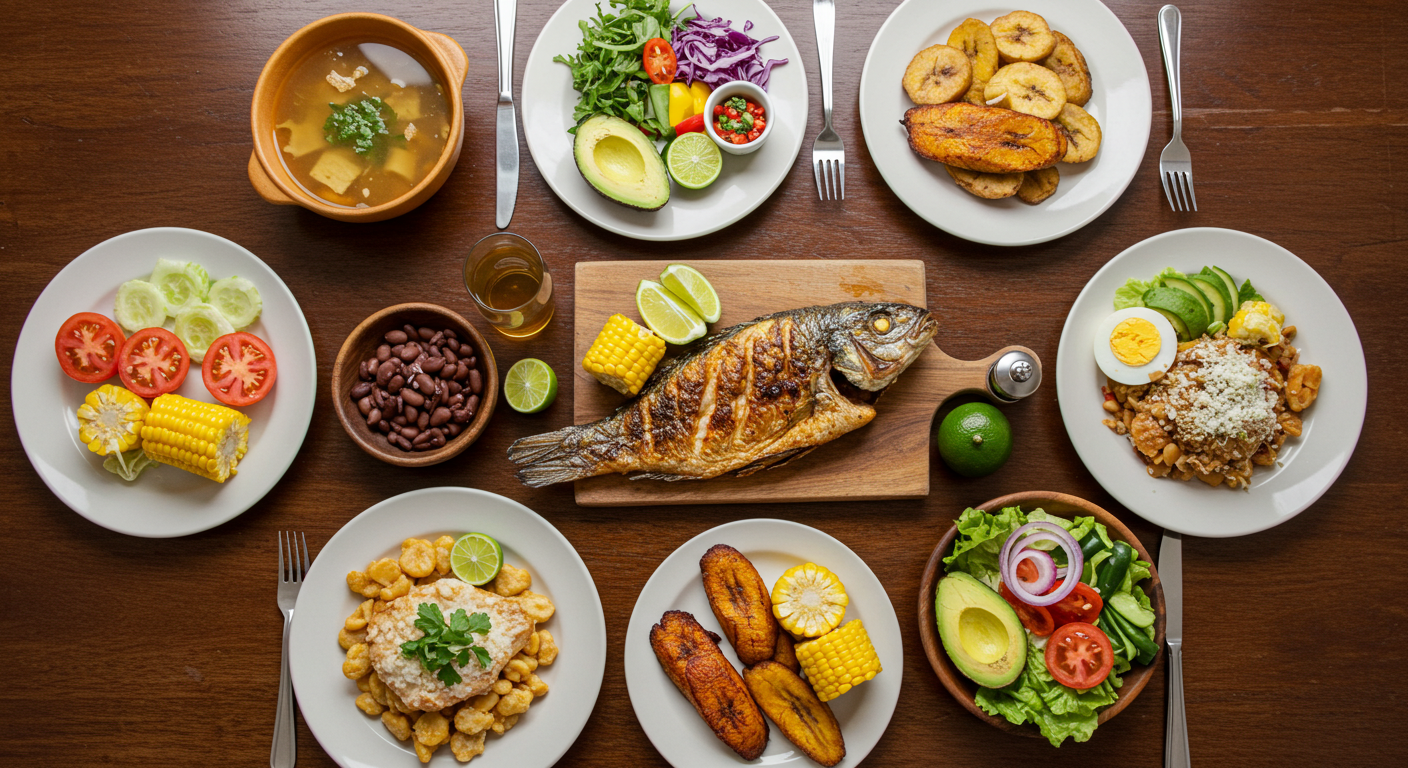
Ecuadorian food does not always get credit for being as balanced and nourishing as it can be. Some diners hear “Latin American food” and immediately picture plates that are fried, overly starchy, or too heavy for an everyday meal. But that stereotype misses a big part of what traditional Ecuadorian cooking actually looks like.
Across the country, many meals are built on whole-food staples such as beans, lentils, corn, potatoes, plantains, rice, quinoa, soups, and seafood. That does not mean every dish is automatically light or health-focused. It does mean the cuisine has a stronger foundation in simple, minimally processed ingredients than many people expect.
Why Ecuadorian Food Gets Underestimated
One reason Ecuadorian food is easy to underestimate is that restaurant impressions can flatten a deeply regional cuisine into a few familiar categories. Fried snacks and starch-heavy plates certainly exist, and some are beloved for good reason. But they are only part of the picture.
Traditional Ecuadorian eating patterns also include broth-based dishes, bean-centered meals, grain-and-legume combinations, and seafood preparations that can feel much lighter than the cuisine’s reputation suggests. Look past the stereotype, and the overall pattern often seems more wholesome than diners assume.
A Cuisine Built on Simple Staples
Ecuadorian cooking relies heavily on basics that have long anchored everyday meals: corn, potatoes, plantains, rice, beans, lentils, and soups. These are not trendy health foods. They are practical staples that can create filling, balanced dishes when paired thoughtfully.
That matters because meals built from recognizable ingredients are often easier to balance than diets centered on ultra-processed foods. A plate with beans, rice, vegetables, and fish may still be hearty, but it is hearty in a very different way from a meal dominated by refined ingredients and packaged sides.
Legumes Add Fiber, Fullness, and Plant Protein
Beans and lentils are among the strongest arguments for Ecuadorian food’s healthy reputation. Legumes provide fiber, plant protein, and substance without requiring every meal to revolve around large portions of meat.
They also help make meals more satisfying. A bowl of lentils, a bean side, or a soup that includes legumes can deliver the kind of fullness many diners want while supporting a steadier, more balanced meal. In practical terms, that is one reason Ecuadorian food can feel comforting without always being overly rich.
Quinoa Strengthens the Case
Quinoa is one of the best-known Andean staples linked to Ecuador and the surrounding region. Its modern reputation as a nutrient-dense ingredient is well deserved, but its place in the cuisine is also a reminder that traditional foods are not automatically less healthful than contemporary wellness trends.
Healthline notes that quinoa offers protein, fiber, and useful micronutrients, making it a good example of how culturally rooted ingredients can also support balanced eating. When it appears in soups, sides, or grain-based dishes, it adds to the case that Ecuadorian food often has more nutritional depth than expected.
Coastal Seafood Is a Major Advantage
Seafood is another major strength, especially in coastal Ecuadorian cuisine. Fish and shellfish can provide satisfying protein in dishes that feel lighter than heavier meat-centered options.
Preparation matters, of course. Seafood Health Facts points out that seafood can be part of a healthy eating pattern, and grilled, stewed, or broth-based preparations will usually fit that pattern better than heavily fried versions. Still, the prominence of seafood in Ecuadorian cooking gives diners a clear path toward meals that are flavorful, filling, and nutrient-rich.
Soups and Stews Can Be Healthier Than They Look
Soup is a serious part of Ecuadorian food culture, not just a starter. That is good news for anyone looking for a balanced meal, because soups and stews often bring together vegetables, grains, legumes, and proteins in one dish.
A well-made soup can be deeply satisfying without relying on excess heaviness. In many cases, these dishes align especially well with the idea that Ecuadorian food can be healthier than people expect. They are comforting, substantial, and often built from the same simple staples that define the cuisine at its best.
Preparation Style Matters More Than the Cuisine Label
It is still important not to overstate the case. Not every Ecuadorian dish is automatically a healthy choice, just as not every dish in any cuisine is. Fried foods, heavily refined starch combinations, and saltier preparations can shift the nutritional profile quickly.
The better takeaway is that preparation style matters more than the cuisine label itself. Grilled seafood, stewed dishes, broth-based meals, and plates centered on beans or lentils will generally support the healthiest version of Ecuadorian dining. Richer and more indulgent dishes are part of the tradition too, but they do not define all of it.
How to Order Smart at an Ecuadorian Restaurant
If you want to lean into the healthiest side of Ecuadorian food, look for dishes built around beans, lentils, seafood, soups, and simpler whole-food sides. Favor preparations that are grilled, stewed, or served in broth rather than automatically choosing the fried option.
It also helps to think in terms of balance. A plate with starches can still be a solid choice if it is paired with legumes, vegetables, or lean protein. The smartest approach is not to assume every traditional dish is equally light, but to recognize that Ecuadorian food offers plenty of wholesome options once you know what to look for.
In the end, Ecuadorian food can be surprisingly health-friendly not because it tries to be trendy, but because so much of it is rooted in straightforward ingredients and practical meal patterns. That combination of simplicity, variety, and regional richness is exactly why it deserves a second look.