Why Ecuadorian Food Is Healthier Than You Might Expect
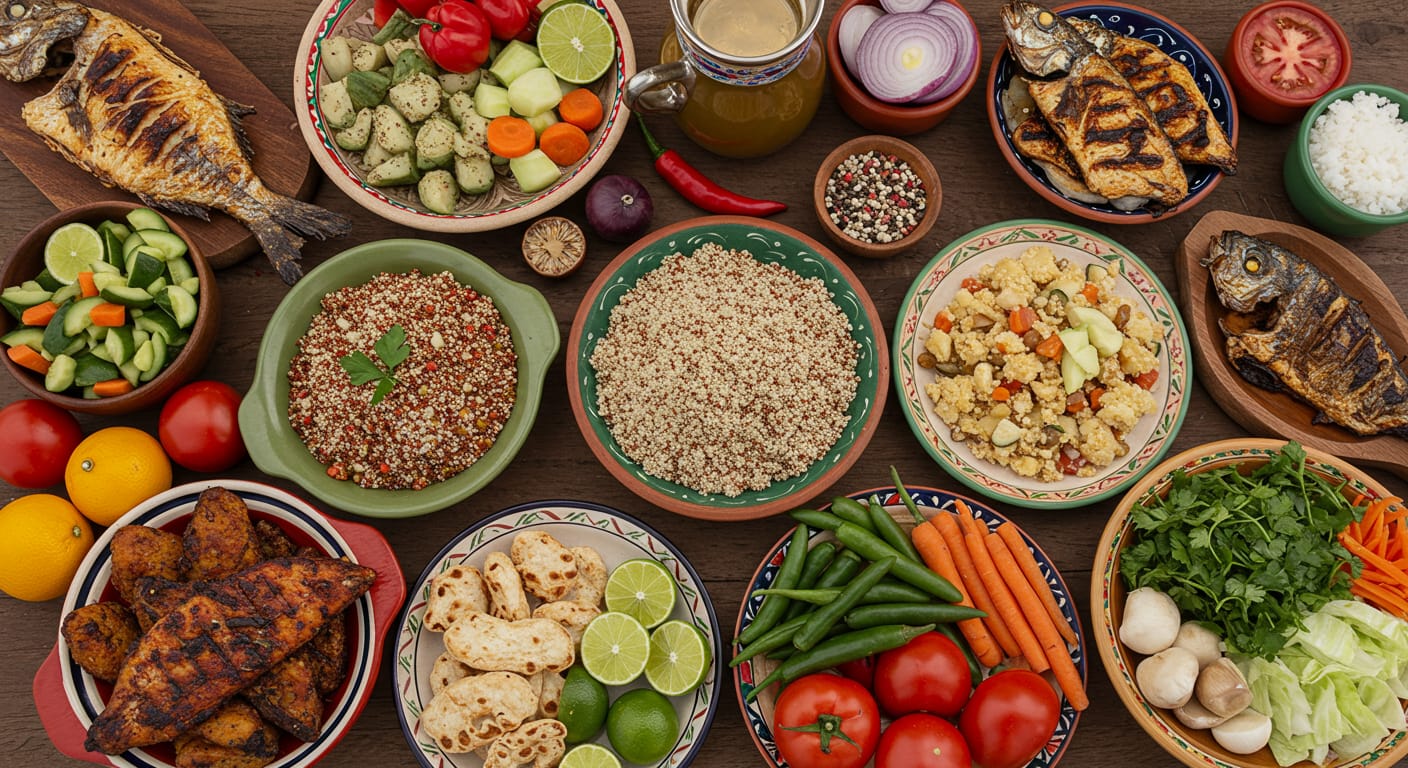
When most people think of South American cuisine, they picture heavy, fried foods loaded with cheese and meat. But this stereotype couldn't be further from the truth when it comes to traditional Ecuadorian cooking. Thanks to Ecuador's incredible geographic diversity—spanning the Pacific coast, Andean highlands, and Amazon rainforest—this country has developed a cuisine packed with nutrient-dense ingredients and remarkable health benefits.
From ancient grains that fueled the Incan civilization to fresh seafood from pristine coastlines, Ecuadorian food represents one of the world's most naturally balanced diets. Here's why this cuisine deserves recognition as a true powerhouse of healthy eating.
The Andean Superfood Foundation
At the heart of Ecuadorian cuisine sits quinoa, revered by the Incas as "the mother of all grains." This remarkable seed contains all nine essential amino acids, making it a complete protein that rivals any animal source. Unlike Western staples such as white rice or wheat, quinoa delivers sustained energy without sending your blood sugar on a roller coaster ride.
Traditional Ecuadorian cooking also features other ancient grains like amaranth and barley. These powerhouse ingredients pack significantly more fiber, protein, and micronutrients than their processed cousins. A single serving of amaranth delivers three times the calcium of wheat and twice the iron, plus essential minerals like magnesium and phosphorus that keep your bones strong.
Fresh From Two Coasts: The Seafood Advantage
Ecuador's extensive Pacific coastline provides an incredible bounty of fresh fish and shellfish that anchor many traditional dishes. The country's famous ceviche showcases this perfectly—raw fish "cooked" in citrus acids that preserve those delicate omega-3 fatty acids your heart and brain crave.
Popular coastal catches like corvina and dorado are naturally loaded with lean protein while staying low in saturated fat. The traditional preparation methods emphasize peak freshness and minimal cooking, ensuring that heat-sensitive nutrients stay intact. The result? Maximum nutritional benefit wrapped in incredible flavor.
Indigenous Vegetables and Fruits: Nature's Medicine Cabinet
Walk through any Ecuadorian market and you'll be dazzled by colorful vegetables that most visitors have never seen. Take oca, with its bright yellow and purple skin—it's packed with powerful anthocyanins, the same antioxidants that make blueberries a superfood. Ulluco delivers more vitamin C than citrus fruits, while native potatoes offer a rainbow of nutrients in stunning purple, blue, and yellow varieties.
The Amazon region contributes exotic fruits that sound almost too good to be true. Camu camu contains 60 times more vitamin C than oranges, while açaí berries overflow with heart-healthy antioxidants. Indigenous communities have used these ingredients medicinally for centuries, and modern science is finally catching up to their ancient wisdom.
Smart Carbs: Plantains and Root Vegetables
Instead of relying on processed starches, Ecuadorian cuisine turns to plantains, yuca, and sweet potatoes as its carbohydrate stars. Green plantains provide resistant starch that acts as a prebiotic, feeding the good bacteria in your gut and supporting digestive health. Unlike refined grains, these whole food carbs release energy slowly, keeping your blood sugar steady throughout the day.
Yuca (also called cassava) packs more potassium than bananas and provides sustained energy without the crash you get from white bread or pasta. Sweet potatoes contribute beta-carotene for healthy vision and complex carbohydrates that actually satisfy your hunger for hours, not minutes.
Cooking Methods That Lock In Nutrition
Traditional Ecuadorian cooking techniques put nutrition first, convenience second. Many dishes are steamed in banana leaves, which seals in moisture and nutrients while adding subtle flavors—no extra fats needed. Grilling over wood fires creates that irresistible char while letting excess fat drip away from proteins.
Slow-cooking methods, especially in traditional clay pots, allow ingredients to meld beautifully while maintaining their nutritional power. Unlike Western cooking that often drowns food in butter, cream, or processed oils, authentic Ecuadorian recipes use minimal added fats, letting the natural flavors and nutrients take center stage.
The Legume Connection: Your Heart Will Thank You
Beans, lentils, and chickpeas star in countless Ecuadorian meals, delivering plant-based protein that loves your heart and helps keep blood sugar in check. The traditional pairing of legumes with quinoa or rice creates complete proteins that can go head-to-head with meat in terms of amino acid profiles.
These fiber-packed foods slow down digestion and help you feel genuinely satisfied, naturally supporting healthy weight management. The high folate content in legumes supports cardiovascular health and may help ward off certain chronic diseases when enjoyed as part of a balanced diet.
Where to Find Authentic, Healthy Ecuadorian Food
When hunting for genuine Ecuadorian cuisine, seek out restaurants that celebrate fresh, seasonal ingredients and stick to traditional preparation methods. The healthiest menu choices typically showcase grilled fish with plantains, quinoa-based soups, and vegetable-packed stews.
Today's Ecuadorian chefs are increasingly spotlighting the health benefits of traditional ingredients, creating modern dishes that honor ancestral wisdom while appealing to health-conscious diners. Look for restaurants featuring indigenous ingredients and skip anything swimming in heavy cream sauces or deep-fried beyond recognition—that's not what authentic Ecuadorian cooking is about.
The next time you encounter Ecuadorian cuisine, remember that you're experiencing one of the world's most naturally nutritious food traditions. From the protein-packed quinoa of the highlands to the omega-rich seafood of the coast, every bite connects you to thousands of years of culinary wisdom that perfectly balances nourishment and incredible flavor.