Is Ecuadorian Food Actually Light? What the Everyday Plate Really Looks Like
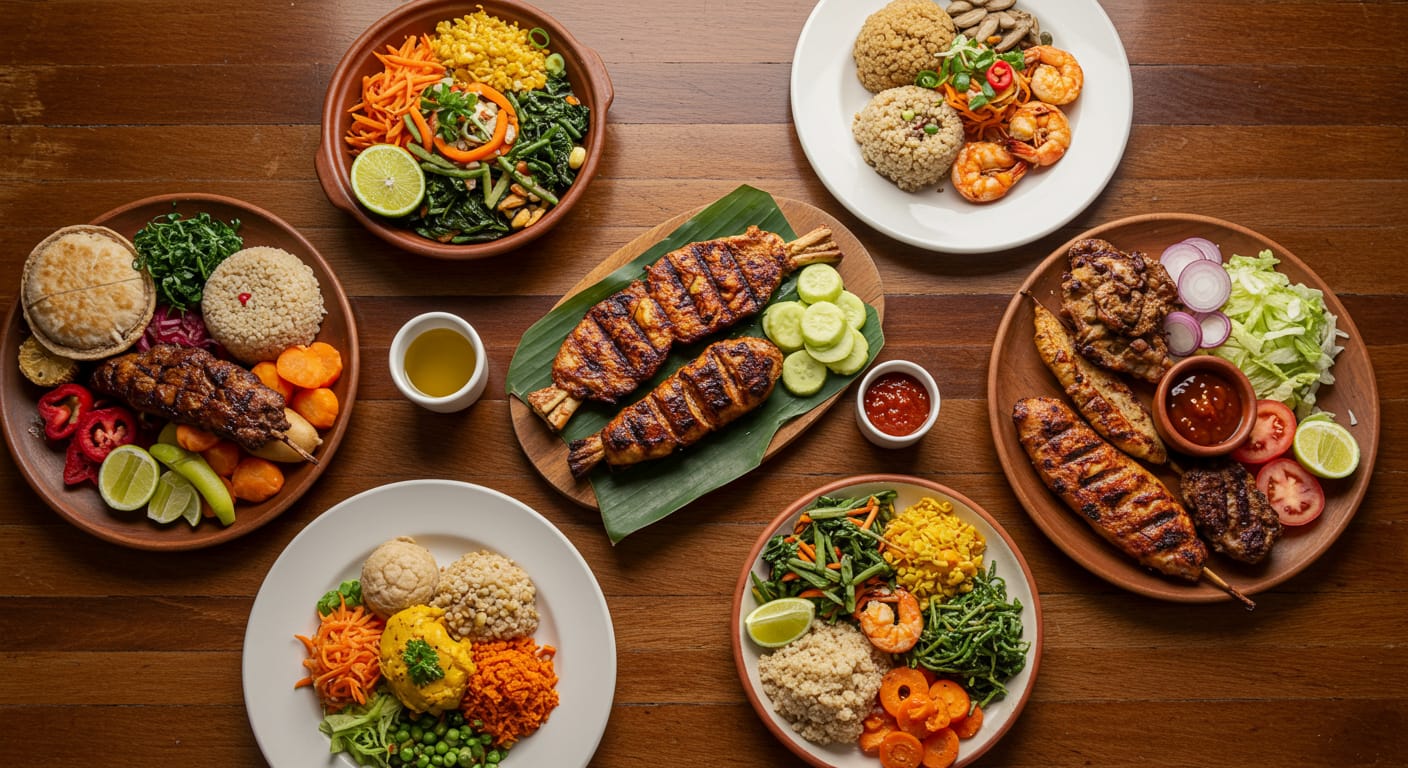
Ecuadorian food is easy to underestimate if you assume Latin American cuisines are always heavy, fried, or overly rich. That stereotype misses a big part of what makes Ecuador’s traditional cooking so appealing. Not every dish is automatically healthy, of course, but many everyday meals are built around whole ingredients such as fresh produce, beans, corn, potatoes, plantains, grains, herbs, and seafood. In practice, that often makes Ecuadorian food feel lighter, fresher, and more balanced than many diners expect.
Why Ecuadorian Food Can Feel Lighter and Fresher Than People Assume
The strongest argument in Ecuadorian food’s favor is not that it follows a modern wellness trend. It is that many classic dishes start with recognizable ingredients rather than heavily processed ones. Soups, ceviches, stews, roasted meats, bean dishes, and starches paired with vegetables are common across the country. That does not make every plate light, but it does mean the cuisine often begins with real, familiar foods.
That distinction matters because diners often judge a cuisine by its richest or most indulgent dishes. Ecuador certainly has fried foods, celebratory meals, and comfort dishes served in generous portions. But the broader food culture also includes plenty of everyday options rooted in fresh cooking, regional agriculture, and straightforward preparation.
Ecuador’s Geography Helps Stock the Table With Variety
One reason Ecuadorian cuisine feels so varied is the country’s geography. Ecuador includes coastal, Andean, and Amazon regions, each with its own climate, ingredients, and food traditions. According to the CIA World Factbook, that regional diversity helps support a wide range of agricultural products and seafood, which in turn shapes a cuisine with more variety than outsiders may expect.
On the coast, seafood naturally plays a major role. In the Andes, potatoes, corn, grains, beans, and hearty soups are central to many meals. The Amazon adds its own local ingredients and cooking methods, expanding the national table even further. When a country draws from so many ecosystems, the result is often a food culture with more produce, more ingredient diversity, and more flexibility than diners assume.
Traditional Dishes Often Start With Whole, Familiar Ingredients
Many Ecuadorian meals make sense from a balanced-eating perspective because their building blocks are so clear. A soup may combine broth, vegetables, herbs, grains, and protein. A seafood plate may feature fish or shellfish alongside corn, onions, tomato, avocado, or plantains. A bean-based meal may pair legumes with rice, salad, or roasted meat. These are not mysterious formulas. They are combinations of staples that many people already recognize as satisfying and relatively straightforward.
That ingredient-first approach can make a real difference when dining out. Meals built from beans, vegetables, seafood, potatoes, and grains often feel nourishing without relying on packaged sauces or highly processed add-ons. Even when a dish is hearty, it is often grounded in traditional staples rather than convenience ingredients.
Seafood and Produce Give Many Ecuadorian Meals a Nutritional Edge
Coastal Ecuadorian cooking is one of the clearest examples of why the cuisine can surprise people. Fish and shellfish are central to many popular dishes, and they are often paired with bright, fresh accompaniments. Ceviches, for example, can feel refreshing and filling at the same time, with onions, citrus, herbs, and other fresh elements bringing balance to the plate.
Seafood stews and grilled fish dishes also show how Ecuadorian food can be substantial without necessarily feeling overly heavy. Additions such as corn, tomato, herbs, avocado, yuca, or plantains can round out a meal while still keeping the focus on whole ingredients. The result is often satisfying rather than excessive.
Regional Diversity Means Ecuadorian Cuisine Is Not Just One Thing
Another reason broad assumptions fall short is that Ecuadorian cuisine is not one narrow category. Coastal cooking may lean toward fish, shrimp, citrus, and plantains, while Andean dishes often feature soups, potatoes, corn, grains, and legumes. Amazon traditions contribute still more ingredients and preparation styles. Encyclopaedia Britannica also highlights how Ecuador’s regional differences shape daily life and food customs, reinforcing the idea that there is no single Ecuadorian menu.
For diners, that means Ecuadorian food is not limited to one kind of experience. It can be brothy or roasted, produce-rich or protein-centered, rustic or bright, simple or celebratory. A cuisine with this much range naturally includes many options that fit well with a balanced approach to eating.
Healthy Depends on the Dish and the Restaurant
It is still important not to turn this into a blanket claim. Some Ecuadorian dishes are fried, rich, salty, or portion-heavy, just as in any national cuisine. Preparation matters. Grilled fish with a fresh side lands differently than a deep-fried snack. A broth-based soup may feel lighter than a richer, more indulgent plate. Restaurant style, portion size, and what you order all shape the final result.
That is why it makes more sense to talk about patterns rather than absolutes. Ecuadorian cuisine offers many ingredients and dish styles that can support balanced eating, but no cuisine is automatically healthy in every form. The real advantage is that the traditional repertoire gives diners plenty of strong options.
How to Order Ecuadorian Food With a Balanced-Eating Mindset
If you want to explore the cuisine with balance in mind, look for dishes centered on seafood, soups, beans, roasted proteins, and plates that include visible vegetables or fresh accompaniments. Ceviches, seafood stews, bean-based dishes, and broth-forward meals are often smart places to start. Choosing a richer main dish does not mean the whole meal has to feel indulgent by default; you can balance it with lighter sides and simpler preparations.
In the end, the most surprising thing about Ecuadorian food is not that it deserves a simplistic health halo. It is that the cuisine is often more ingredient-driven, varied, and grounded in fresh staples than many people realize. For diners willing to look beyond stereotypes, that is a very good reason to order more adventurously.