Where Ecuador's Seafood Comes From Before It Reaches Your Plate
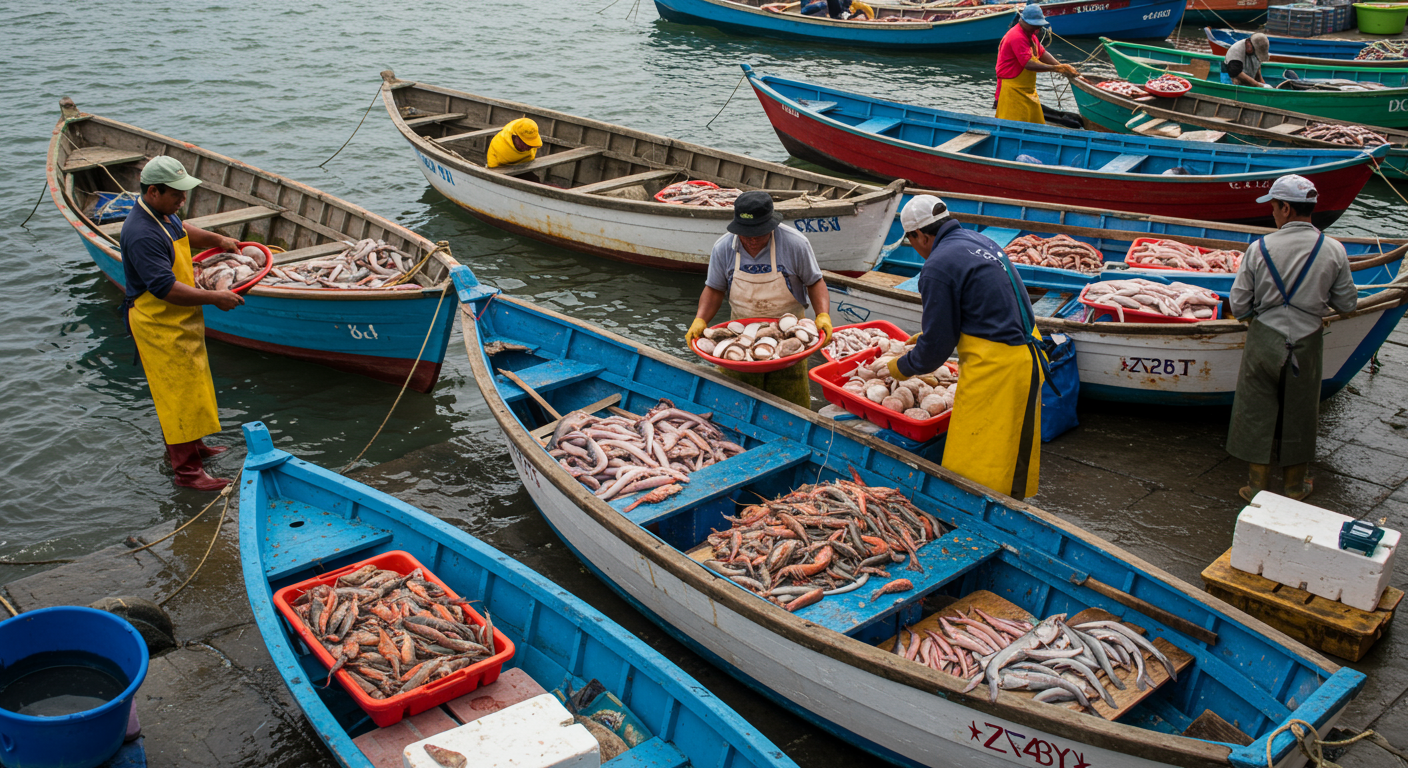
When you order fresh corvina at a Cuenca restaurant or buy shrimp at your local market, that seafood has traveled a fascinating journey from Ecuador's coastal waters and aquaculture farms. Understanding this path reveals the intricate network that brings ocean-fresh seafood to tables across the country, from the bustling ports of Guayaquil to the mountain cities of the Sierra.
Ecuador's Coastal Waters: Where the Catch Begins
Ecuador's Pacific fishing grounds stretch along 640 miles of spectacular coastline, where seasonal currents and nutrient-rich waters create perfect conditions for diverse marine life. The cold, nutrient-dense Humboldt Current flows northward while the warm Panama Current moves south, creating incredibly productive fishing zones that change throughout the year.
Commercial fishing fleets target prized species like yellowfin tuna, mahi-mahi (dorado), and sea bass (corvina) using sophisticated equipment and refrigeration systems to lock in freshness from the moment of catch. These industrial vessels can stay at sea for weeks, using purse seines and longlines to harvest fish for both local tables and international markets.
Alongside these large operations, artisanal fishing communities maintain traditional methods passed down through generations. Small boats called pangas venture into near-shore waters daily, bringing back fresh catch using hand lines, small nets, and generations of local knowledge about seasonal fishing patterns. These community fishermen supply much of the fresh fish you'll find in coastal markets and restaurants.
Mother Nature plays a big role in what ends up on your plate. Water temperature, oxygen levels, and seasonal migrations determine where and when different species are available, creating natural variations in what's fresh throughout the year.
Shrimp Aquaculture: Ecuador's Aquatic Farms
Ecuador has become one of the world's top shrimp producers through extensive aquaculture operations concentrated along the coastal provinces of Guayas, El Oro, and Esmeraldas. These aren't your typical farms – they're carefully managed ponds where Pacific white shrimp grow from tiny juveniles to plump, market-ready crustaceans over several months.
Modern shrimp farms are high-tech operations with sophisticated water quality control systems that monitor salinity, oxygen levels, and temperature around the clock. Automated feeding systems and regular water exchanges create the ideal environment for producing those premium shrimp you love.
Harvest cycles typically run 90 to 120 days, with farms timing everything perfectly to meet market demand for different shrimp sizes. The jumbo shrimp command top prices in export markets, while smaller sizes often find their way to local restaurants and markets – sometimes at better prices for consumers.
These aquaculture operations work hand-in-hand with wild-caught seafood operations, sharing processing facilities, cold storage, and distribution networks that efficiently move products from farm and sea to your local market.
From Boat to Market: Processing and Distribution
Once caught, seafood begins a carefully choreographed race against time through processing and distribution networks designed to lock in that ocean-fresh quality. On fishing vessels, the catch immediately goes into ice-filled holds or refrigerated seawater systems to stop any deterioration during the journey back to port.
Shore-based processing facilities receive the catch and conduct quality checks, sorting seafood by size, species, and condition. Modern plants use rapid chilling systems and maintain strict temperature controls throughout processing, whether preparing whole fish, creating fillets, or developing value-added products.
The cold chain logistics network forms the backbone of seafood distribution. Refrigerated trucks transport products from coastal processing centers to wholesale markets in Guayaquil, Quito, and other major cities. These distribution hubs act as sorting centers where seafood gets redistributed to regional markets, restaurants, and retail outlets across the country.
Specialized storage facilities equipped with blast freezers and temperature-controlled warehouses maintain different seafood products at optimal conditions while awaiting distribution to their final destinations.
Regulation and Quality Control
Ecuador's seafood industry operates under comprehensive oversight designed to ensure sustainable fishing and food safety. The Vice Ministry of Aquaculture and Fisheries manages fishing quotas, licensing requirements, and seasonal restrictions that protect fish populations while supporting the industry.
Government inspectors conduct regular food safety inspections at processing facilities, checking proper handling procedures, temperature control, and hygiene standards. Traceability requirements track seafood from source to consumer, enabling quick responses to any quality or safety concerns.
Sustainability monitoring programs track fish populations and ecosystem health, implementing conservation measures when needed to protect the long-term productivity of fishing grounds. These efforts include restrictions on fishing methods, seasonal closures, and protected area designations.
Export certification standards required for international markets often exceed domestic requirements, helping elevate overall quality standards throughout the industry – which benefits everyone eating seafood in Ecuador.
The Final Mile: From Distributor to Your Table
The final stage involves restaurant procurement and retail distribution, where quality and timing become absolutely critical. Restaurants typically work with established suppliers who provide consistent quality and reliable delivery schedules, often requiring daily deliveries of the freshest products.
Retail seafood markets and supermarket chains maintain their own cold storage and display systems, training staff in proper handling techniques to preserve quality until you make your purchase. What you prefer to buy influences which products are stocked and how they're presented, with preferences varying noticeably between coastal and inland markets.
Seasonal availability drives menu planning for restaurants, with chefs adjusting their offerings based on what's fresh and readily available. Peak fishing seasons for different species create natural cycles in restaurant menus and market displays – which is why you might see more corvina in summer or different shrimp varieties at various times of year.
Price fluctuations driven by weather, fuel costs, and international demand impact both wholesale and retail prices. Restaurants and markets balance quality expectations with cost considerations, often building relationships with trusted suppliers who provide consistent value.
The next time you enjoy Ecuador's incredible seafood, you'll know the remarkable journey it took to reach your plate – from the skilled fishermen and farmers who harvest it, through the complex networks that preserve its quality, to the restaurants and markets that serve it fresh to your table.